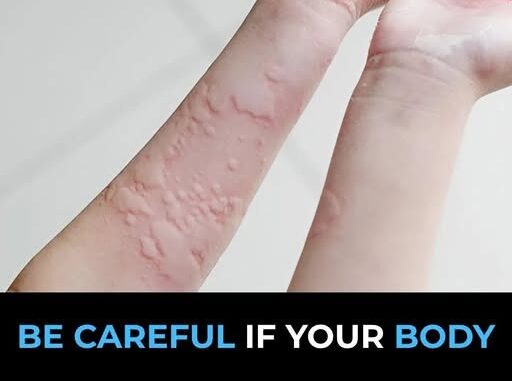
Few things are more frustrating than waking up to discover unexpected itchy red patches on your skin.
One moment everything seems normal.
The next, you notice raised, red welts that itch intensely and appear without warning.
Many people initially assume these marks are caused by insect bites, skin irritation, or a reaction to something they recently touched.
While that may sometimes be true, another common explanation is a condition known as urticaria, more commonly referred to as hives.
Although hives are often temporary and harmless, they can be uncomfortable and sometimes indicate that the body is responding to an allergen, environmental trigger, infection, or another underlying factor.
Understanding what hives are, why they occur, and when medical attention may be appropriate can help individuals manage symptoms more effectively and reduce unnecessary worry.
What Are Hives?
Urticaria, commonly known as hives, is a skin reaction characterized by raised, itchy welts that can vary in size and shape.
These welts may appear anywhere on the body, including:
- Arms
- Legs
- Face
- Neck
- Back
- Abdomen
In some cases, individual welts remain small.
In others, several welts may join together to form larger patches.
One distinctive feature of hives is that they often change location.
A welt may disappear from one area only to appear elsewhere a few hours later.
This shifting pattern can make the condition seem unusual, but it is a common characteristic of hives.
Why Do Hives Occur?
Hives develop when the body’s immune system releases chemicals such as histamine into the skin.
Histamine increases blood flow and causes fluid to leak from tiny blood vessels beneath the skin.
This process leads to the swelling and redness associated with hives.
The release of histamine can be triggered by many different factors.
In some cases, the cause is easy to identify.
In others, the trigger remains unknown.
Common Symptoms of Hives
Although symptoms vary from person to person, hives often include:
Raised Welts
These bumps may be small or large and typically appear suddenly.
Itching
Many people experience moderate to intense itching.
Redness
The affected areas often appear pink or red.
Changing Appearance
Welts may fade within hours and reappear elsewhere on the body.
Mild Swelling
Some individuals experience swelling around the affected skin.
Most episodes are temporary and improve within hours or days.
Common Causes of Hives
Many different factors can trigger hives.
Some of the most common include:
Food Allergies
Certain foods may trigger reactions in sensitive individuals.
Examples can include:
- Nuts
- Shellfish
- Eggs
- Dairy products
- Certain fruits
Medications
Some medications may contribute to allergic reactions or skin irritation.
Infections
Viral and bacterial infections can sometimes trigger hives.
Environmental Factors
Exposure to pollen, animal dander, or other allergens may play a role.
Insect Stings or Bites
Some individuals develop hives after insect exposure.
Stress
Emotional stress may contribute to outbreaks in certain people.
Temperature Changes
Heat, cold, and sudden environmental shifts can occasionally trigger symptoms.
Acute vs. Chronic Hives
Healthcare professionals generally classify hives into two categories.
Acute Hives
Acute hives typically last less than six weeks.
These are often associated with temporary triggers such as:
- Illness
- Food reactions
- Medication responses
- Environmental exposure
Chronic Hives
Chronic hives persist for six weeks or longer.
Symptoms may come and go repeatedly over extended periods.
In many chronic cases, identifying a specific trigger can be difficult.
Healthcare providers may recommend additional evaluation when symptoms continue for long periods.
What Does a Typical Hive Look Like?
A hive often appears as:
- A raised patch of skin
- A red or pink border
- A lighter center
- A smooth surface
- An irregular shape
The size can vary significantly.
Some hives are smaller than a coin.
Others can cover much larger areas.
One unusual feature is that individual welts often disappear within 24 hours, even if new ones continue appearing elsewhere.
When Swelling Occurs
Some people experience a related condition called angioedema.
This involves swelling beneath the skin rather than on the surface.
Common locations include:
- Eyelids
- Lips
- Hands
- Feet
Angioedema can occur alongside hives or independently.
Mild swelling often resolves without complications.
However, any swelling involving the throat or difficulty breathing requires immediate medical attention.
When to Seek Medical Care
Many cases of hives improve on their own.
However, professional medical evaluation may be appropriate if:
- Symptoms persist for several weeks
- Hives occur repeatedly
- Swelling becomes significant
- Symptoms interfere with daily activities
- The cause remains unclear
Emergency medical attention should be sought if hives occur alongside:
- Difficulty breathing
- Trouble swallowing
- Severe facial swelling
- Dizziness
- Signs of a severe allergic reaction
These symptoms may indicate a serious medical situation requiring prompt treatment.
How Doctors Diagnose Hives
Diagnosis often begins with a medical history and physical examination.
Healthcare providers may ask about:
- Recent foods consumed
- Medications
- Environmental exposures
- Recent illnesses
- Family history
- Stress levels
Depending on the situation, additional testing may be recommended to identify possible triggers.
Treatment Options
Treatment varies depending on the severity and underlying cause.
Common approaches may include:
Antihistamines
These medications help reduce itching and swelling.
Avoiding Triggers
When a trigger is identified, avoiding it may help prevent future episodes.
Managing Underlying Conditions
Treating infections or other contributing factors can improve symptoms.
Skin Care Measures
Cool compresses and gentle skin care may provide relief.
Individuals should always follow guidance from qualified healthcare professionals regarding treatment decisions.
Lifestyle Tips for Managing Hives
While every situation is different, some people find relief through simple lifestyle adjustments.
Helpful practices may include:
Wearing Loose Clothing
Tight fabrics can sometimes worsen irritation.
Avoiding Excessive Heat
Hot showers and overheating may aggravate symptoms in some individuals.
Using Gentle Skin Products
Fragrance-free products may reduce irritation.
Keeping a Symptom Journal
Tracking potential triggers can help identify patterns.
Managing Stress
Relaxation techniques may help some individuals who notice stress-related flare-ups.
Can Hives Be Prevented?
Prevention depends largely on identifying triggers.
While not every outbreak can be avoided, people may reduce their risk by:
- Avoiding known allergens
- Following medication instructions carefully
- Maintaining good overall health
- Practicing stress management
- Monitoring environmental exposures
For individuals with recurring symptoms, working with a healthcare professional can be especially helpful.
The Importance of Understanding Your Body
Skin often provides valuable clues about overall health.
Changes in appearance can sometimes reflect environmental exposures, allergies, infections, or immune system activity.
Paying attention to these signals helps people make informed decisions about when to seek guidance or make lifestyle adjustments.
Most importantly, understanding symptoms helps reduce fear and uncertainty.
Knowledge allows individuals to respond appropriately rather than react with unnecessary alarm.
Final Thoughts
Hives are a common skin condition that affects people of all ages.
Although the sudden appearance of itchy red welts can be concerning, most cases are temporary and manageable.
Understanding how hives develop, recognizing common triggers, and knowing when to seek medical advice can help individuals navigate symptoms with greater confidence.
While the condition may be uncomfortable, it is often the body’s way of responding to a temporary trigger or irritation.
By staying informed, paying attention to patterns, and seeking professional guidance when necessary, people can better manage symptoms and support their overall well-being.
When it comes to skin health, awareness and understanding are often the first steps toward relief.
Leave a Reply