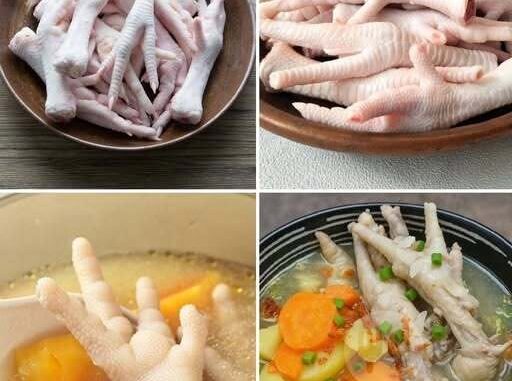
When most people think about chicken, they typically picture familiar cuts such as breasts, thighs, wings, or drumsticks.
Chicken feet rarely receive the same attention.
In many parts of the world, however, chicken feet have been used in traditional cooking for generations and remain a popular ingredient in soups, broths, stews, and regional dishes.
While they may not be the first item that comes to mind when planning a meal, chicken feet offer unique culinary qualities that have earned them a place in many cuisines.
Their popularity is not based on trends or marketing claims but on practical cooking benefits, nutritional content, and the rich texture they contribute to homemade broths.
As interest in traditional cooking methods continues to grow, more people are discovering why this often-overlooked ingredient remains valued in kitchens around the world.
A Long History in Traditional Cuisine
Chicken feet have been used in cooking for centuries across numerous cultures.
They are particularly common in:
- East Asian cuisine
- Southeast Asian cuisine
- Caribbean cooking
- Latin American dishes
- African culinary traditions
In many households, utilizing every edible part of an animal was considered both economical and respectful.
Rather than discarding ingredients, families found creative ways to transform them into nourishing meals.
This approach helped maximize resources while reducing waste.
Today, many traditional recipes continue to reflect those practices.
What Makes Chicken Feet Different?
Unlike other chicken cuts, chicken feet contain very little muscle meat.
Instead, they consist primarily of:
- Skin
- Tendons
- Connective tissue
- Cartilage
- Small bones
This unique composition gives them properties that differ significantly from more commonly consumed chicken parts.
When simmered slowly, chicken feet contribute a rich texture and body to broths and stocks that many cooks appreciate.
The Role of Collagen in Cooking
One reason chicken feet are frequently used in soups and broths is their naturally high collagen content.
Collagen is a structural protein found throughout the body and within connective tissues of animals.
During slow cooking, collagen breaks down into gelatin.
This process creates a rich texture often associated with high-quality homemade stock.
The result is a broth that feels fuller and more substantial than one made from meat alone.
Many chefs specifically seek ingredients rich in connective tissue for this reason.
Why Homemade Broths Remain Popular
Homemade broth has experienced renewed popularity in recent years.
Many people enjoy preparing stock at home because it allows greater control over:
- Ingredients
- Sodium levels
- Flavor profiles
- Cooking methods
Chicken feet are often included because they contribute depth and texture without requiring expensive ingredients.
When combined with vegetables, herbs, and seasonings, they can help create flavorful broths suitable for a variety of recipes.
Nutritional Components Found in Chicken Feet
Chicken feet contain several nutrients commonly found in poultry products.
These may include:
Protein
Protein plays an important role in supporting normal body functions.
Minerals
Chicken feet contain varying amounts of minerals such as:
- Calcium
- Phosphorus
- Magnesium
The exact nutritional content depends on preparation methods and serving size.
Collagen-Derived Components
Chicken feet naturally contain collagen-rich connective tissue, which contributes to their culinary appeal.
It’s important to note that no single food provides a complete solution for health and wellness.
Balanced nutrition depends on overall dietary patterns rather than individual ingredients alone.
Popular Ways to Prepare Chicken Feet
Around the world, chicken feet are prepared using numerous cooking techniques.
Common methods include:
Slow-Simmered Broth
Perhaps the most popular use.
Long cooking times help extract flavor and create a rich texture.
Soups and Stews
Chicken feet are often incorporated into hearty soups.
Braised Dishes
Various cuisines prepare chicken feet with flavorful sauces and seasonings.
Traditional Family Recipes
Many households pass down recipes through generations.
Preparation methods vary significantly depending on cultural traditions and personal preferences.
Why Texture Matters in Cooking
Texture is an important part of the culinary experience.
Many ingredients are valued not only for flavor but also for how they influence the overall character of a dish.
Chicken feet contribute:
- Richness
- Body
- Gelatinous texture
- Mouthfeel
These qualities help explain their enduring popularity among home cooks and professional chefs alike.
The Growing Interest in Traditional Ingredients
Modern consumers increasingly seek traditional ingredients and cooking methods.
Several factors contribute to this trend:
- Interest in home cooking
- Appreciation for culinary heritage
- Reduction of food waste
- Exploration of global cuisines
Chicken feet fit naturally into these interests because they represent a long-established ingredient that continues to serve practical culinary purposes.
Understanding Food Myths and Health Claims
From time to time, certain foods become associated with exaggerated health claims.
Chicken feet are no exception.
It is important to distinguish between traditional culinary value and unsupported promises.
No single food can:
- Prevent all illness
- Reverse aging
- Replace medical treatment
- Guarantee specific health outcomes
Good health is typically influenced by many factors, including:
- Balanced nutrition
- Physical activity
- Sleep quality
- Medical care
- Lifestyle habits
Foods can contribute to overall nutrition, but they are not substitutes for professional healthcare.
A Sustainable Approach to Cooking
One reason many chefs appreciate chicken feet is their role in reducing food waste.
Using more parts of an animal supports a more resource-conscious approach to cooking.
This philosophy has become increasingly relevant as consumers seek sustainable food practices.
Making use of ingredients that might otherwise be discarded can:
- Reduce waste
- Stretch food budgets
- Encourage culinary creativity
These benefits help explain why traditional cooking methods continue attracting interest today.
How to Prepare Chicken Feet Safely
As with any poultry product, proper food handling is important.
General food safety recommendations include:
Thorough Cleaning
Preparation typically begins with careful cleaning.
Proper Cooking Temperatures
Poultry should always be cooked thoroughly.
Safe Storage
Refrigerate or freeze products appropriately.
Clean Kitchen Practices
Avoid cross-contamination by using proper food-handling procedures.
Following established food safety guidelines helps ensure meals are prepared responsibly.
Exploring Global Culinary Traditions
One of the most enjoyable aspects of cooking is discovering how different cultures use ingredients.
Chicken feet demonstrate how food traditions vary around the world.
What may seem unusual in one region may be considered a beloved comfort food in another.
Exploring these traditions can:
- Expand culinary knowledge
- Introduce new flavors
- Foster cultural appreciation
- Inspire creativity in the kitchen
Food often serves as a bridge connecting people to history, family traditions, and community identity.
Why Home Cooks Continue Using Chicken Feet
Despite changing food trends, chicken feet remain a valued ingredient because they offer practical benefits.
Home cooks appreciate them for:
- Flavor enhancement
- Rich broth production
- Traditional recipes
- Cost-effectiveness
- Reduced food waste
These advantages have helped maintain their popularity across generations.
Final Thoughts
Chicken feet may not be the most celebrated ingredient in modern kitchens, but their long history in traditional cooking demonstrates their enduring value.
Rich in connective tissue and prized for the texture they contribute to soups and broths, they remain an important ingredient in many culinary traditions around the world.
While exaggerated health claims should always be approached with caution, chicken feet can certainly play a role in flavorful home cooking as part of a balanced diet.
Their continued popularity highlights an important lesson:
Sometimes the most overlooked ingredients have stories, traditions, and culinary uses that deserve a second look.
Whether used in homemade broth, family recipes, or cultural dishes passed down through generations, chicken feet remain a fascinating example of how traditional cooking continues to influence modern kitchens.
Leave a Reply