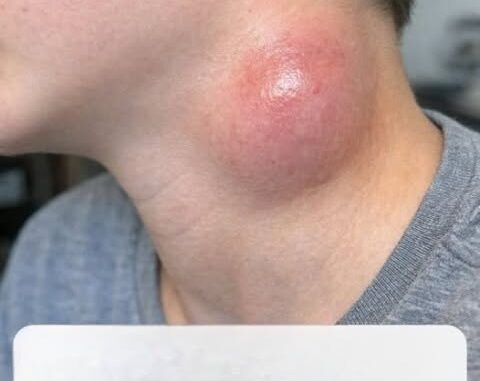
Few experiences are more frightening for a parent than discovering an unexpected change in their child’s health. A sudden fever, an unexplained rash, or an unusual swelling can instantly trigger worry. Among the most alarming discoveries is finding a lump on a child’s neck that seems to have appeared overnight.
For many parents, the sight of a swollen area on the side of the neck immediately leads to fear and uncertainty. Questions begin racing through their minds. Is it serious? Should we go to the emergency room? Could it be something dangerous?
While the appearance of a neck lump can certainly be concerning, pediatric specialists emphasize that many cases are linked to common and treatable causes. Understanding what may be happening inside the body can help parents respond calmly and appropriately while ensuring their child receives proper medical attention when needed.
Why Neck Lumps Can Appear Suddenly
The neck contains numerous structures, including muscles, glands, blood vessels, and lymph nodes.
Lymph nodes are small, bean-shaped organs that play an important role in the immune system. They act as filters, helping the body identify and fight infections caused by viruses, bacteria, and other harmful substances.
When a child develops a cold, sore throat, ear infection, or another common illness, nearby lymph nodes may become enlarged as they work harder to support the body’s immune response.
Because children are frequently exposed to new viruses and infections, enlarged lymph nodes are relatively common during childhood.
In some cases, a parent may not even realize their child has a minor infection until they notice swelling in the neck.
Understanding Swollen Lymph Nodes
Swollen lymph nodes are often referred to as “reactive lymph nodes.”
This means they are reacting normally to an infection or inflammatory process occurring elsewhere in the body.
Common causes include:
- Colds and respiratory infections
- Sore throats
- Ear infections
- Dental issues
- Minor skin infections
- Viral illnesses
These enlarged nodes may feel:
- Soft or slightly firm
- Movable beneath the skin
- Tender when touched
- About the size of a pea or grape
In many cases, the swelling gradually decreases as the child recovers from the underlying illness.
Why Parents Often Notice Them Suddenly
Although a lymph node may have been enlarging for several days, parents often notice it unexpectedly.
This happens because swelling may become more visible after:
- Bath time
- Haircuts
- Dressing a child
- Bedtime routines
- Certain lighting conditions
A parent may feel a lump while helping a child change clothes or notice asymmetry when looking at the child’s face or neck.
The discovery can feel sudden even though the process has been developing gradually.
The Emotional Impact on Families
Healthcare professionals acknowledge that discovering a lump on a child can be emotionally overwhelming.
Parents naturally want to protect their children from harm, and unexpected physical changes often trigger anxiety.
Medical experts encourage parents to remember that panic rarely improves decision-making.
Instead, they recommend focusing on careful observation and gathering information.
Remaining calm not only helps parents think clearly but also reassures the child, who may become frightened if adults appear distressed.
What Doctors Typically Look For
When evaluating a neck lump, healthcare providers consider several important factors.
They often ask questions such as:
- When was the lump first noticed?
- Has it changed in size?
- Is it painful?
- Has the child been sick recently?
- Is there a fever?
- Are there any swallowing difficulties?
- Has the child experienced weight loss or fatigue?
The answers help doctors determine the most likely cause and whether further evaluation is necessary.
Physical examination provides additional clues about the nature of the swelling.
Signs That Usually Suggest a Minor Cause
Many neck lumps associated with infections have characteristics that suggest a benign explanation.
These may include:
Soft Texture
Nodes that feel soft or rubbery often indicate a reactive immune response.
Mobility
Lumps that move slightly beneath the skin are commonly associated with enlarged lymph nodes.
Mild Tenderness
Some discomfort may occur when inflammation is present.
Recent Illness
A recent cold, sore throat, or ear infection often provides a straightforward explanation for swollen lymph nodes.
In these situations, doctors may recommend monitoring the area while treating the underlying infection.
Warning Signs That Need Prompt Medical Attention
Although many neck lumps are harmless, certain symptoms require urgent evaluation.
Parents should seek immediate medical care if a child experiences:
Difficulty Breathing
Any breathing problems should be treated as a medical emergency.
Difficulty Swallowing
Trouble swallowing saliva, food, or liquids requires prompt assessment.
Rapid Growth
A lump that enlarges dramatically over a short period should be evaluated quickly.
High Fever
Persistent or very high fever may indicate a more serious infection.
Severe Pain
Intense pain that worsens or does not improve deserves medical attention.
Redness and Warmth
These signs may suggest an abscess or bacterial infection requiring treatment.
Persistent Swelling
Lumps that do not improve over time should be examined by a healthcare provider.
The Importance of Professional Evaluation
Parents should avoid trying to diagnose neck lumps on their own.
Internet searches can provide general information but cannot replace professional medical assessment.
Healthcare providers may recommend:
- Physical examination
- Blood tests
- Ultrasound imaging
- Additional testing if needed
In many cases, a simple examination is enough to identify the cause and provide reassurance.
Providing Comfort While Waiting
If a child appears otherwise healthy and a healthcare provider has advised monitoring the situation, supportive care may help keep them comfortable.
Helpful measures may include:
- Encouraging fluids
- Ensuring adequate rest
- Applying a warm compress if recommended
- Following medical guidance regarding fever or discomfort
These steps support the body’s natural recovery process.
What Parents Should Avoid
Medical professionals caution against several common mistakes.
Parents should avoid:
Squeezing the Lump
Pressing or attempting to drain a lump can worsen inflammation and increase infection risk.
Frequent Poking
Repeatedly checking the lump may irritate the area and make swelling appear worse.
Using Unverified Remedies
Home treatments found online may not be safe or effective.
Delaying Medical Care
If concerning symptoms develop, prompt evaluation is important.
Why the Immune System Reacts This Way
One reassuring fact is that enlarged lymph nodes often demonstrate that the immune system is functioning properly.
When germs enter the body, immune cells gather within lymph nodes to coordinate a response.
This activity can temporarily enlarge the nodes as they work to protect the body.
In children, whose immune systems are still developing and encountering new infections, these reactions are particularly common.
A Reminder for Parents
The appearance of a neck lump can be unsettling, but most cases do not represent a medical emergency.
Awareness, observation, and timely consultation with healthcare professionals are usually the best approach.
Parents know their children better than anyone. If something feels unusual or symptoms worsen, seeking medical advice is always appropriate.
Trusting your instincts while remaining calm can help ensure the best outcome.
The Bottom Line
Finding a lump on a child’s neck can be one of the most frightening moments a parent experiences. However, enlarged lymph nodes caused by common infections are among the most frequent explanations and are often temporary and treatable.
Understanding how the immune system works, recognizing warning signs, and seeking professional guidance when necessary can help parents navigate these situations with confidence.
While unexpected health concerns are part of parenthood, knowledge and preparation can transform fear into informed action—allowing families to focus on what matters most: keeping children safe, healthy, and supported.
Leave a Reply