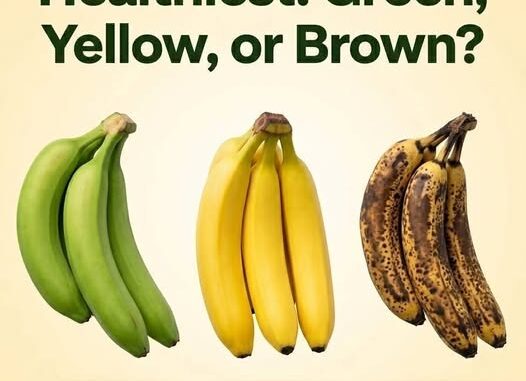
Bananas are among the most widely enjoyed fruits across the globe. They are convenient, naturally portable, budget-friendly, and versatile enough to be eaten on their own or incorporated into countless recipes. Whether packed into a lunchbox, blended into a smoothie, sliced over cereal, or enjoyed as a quick snack, bananas have become a staple in many households.
Most people choose bananas based on appearance alone. Some prefer bright yellow fruit with no spots, while others intentionally seek out bananas that still have a hint of green. There are also people who wait until the peel develops brown speckles before enjoying them. These preferences are often driven by taste, but there is much more happening beneath the peel than many realize.
As bananas ripen, they undergo a series of natural changes that affect their flavor, texture, aroma, and nutritional profile. The color of a banana can provide valuable clues about its stage of maturity and how it might fit into different dietary needs or culinary uses.
Understanding the differences between green, yellow, and brown bananas can help you make better choices depending on your goals, whether you are looking for a firmer snack, a sweeter treat, or an ingredient for baking. While all bananas can be part of a balanced diet, each stage of ripeness offers unique characteristics that make it suitable for different situations.
This article explores how bananas change as they ripen, what those changes mean nutritionally, and why the color of a banana may matter more than many people think.
The Journey of a Banana: From Green to Brown
Bananas do not become ripe while still attached to the plant. Instead, they are harvested while green and continue ripening after they are picked.
During the ripening process, natural enzymes inside the fruit begin transforming complex carbohydrates into simpler sugars. At the same time, the fruit becomes softer, develops a stronger aroma, and changes color.
The process generally follows three visible stages:
Stage 1: Green Bananas
- Firm texture
- Mild flavor
- Higher resistant starch content
- Lower sweetness
Stage 2: Yellow Bananas
- Balanced sweetness
- Softer texture
- Pleasant aroma
- Popular eating stage
Stage 3: Brown-Spotted or Brown Bananas
- Very sweet flavor
- Soft texture
- Strong aroma
- Often preferred for baking and smoothies
Each stage offers different benefits and uses.
Green Bananas: The Early Stage
Green bananas are often overlooked because many people assume they are not ready to eat. In reality, they are simply at an earlier stage of development.
These bananas contain more resistant starch than fully ripe bananas. Resistant starch behaves differently from regular starch because it passes through parts of the digestive system without being broken down immediately.
As a result, green bananas are less sweet and have a firmer texture.
Taste and Texture
People trying green bananas for the first time are often surprised by how different they taste compared to yellow bananas.
Characteristics include:
- Mild sweetness
- Slightly earthy flavor
- Dense texture
- Firm bite
Some individuals enjoy this texture because it feels more filling and substantial.
Culinary Uses for Green Bananas
Green bananas are commonly used in cooking around the world.
They can be:
- Boiled
- Baked
- Fried
- Mashed
- Added to savory dishes
In many cultures, green bananas are treated more like a vegetable than a fruit.
Because they are firm, they hold their shape well during cooking and can absorb seasonings effectively.
Nutritional Characteristics of Green Bananas
Green bananas are notable for their resistant starch content.
Researchers have studied resistant starch because it may play a role in digestive health when consumed as part of a balanced diet.
Green bananas also contain:
- Potassium
- Vitamin B6
- Vitamin C
- Dietary fiber
- Magnesium
The nutritional profile is impressive even before the fruit reaches full ripeness.
Yellow Bananas: The Classic Favorite
When most people picture a banana, they imagine a bright yellow fruit with little or no spotting.
This stage is often considered the ideal balance between sweetness and firmness.
By the time a banana turns yellow, much of its resistant starch has been converted into natural sugars.
This transformation gives the fruit its familiar flavor.
Why Yellow Bananas Are So Popular
Yellow bananas appeal to a wide range of people because they offer:
- Pleasant sweetness
- Smooth texture
- Easy digestibility
- Fresh aroma
For many consumers, yellow bananas represent the perfect middle ground between firmness and softness.
Nutrients in Yellow Bananas
Yellow bananas continue to provide valuable nutrients, including:
Potassium
Potassium helps support normal muscle and nerve function and contributes to fluid balance within the body.
Vitamin B6
Vitamin B6 plays an important role in numerous metabolic processes.
Vitamin C
Vitamin C contributes to immune function and helps protect cells from oxidative stress.
Fiber
Fiber supports digestive health and contributes to feelings of fullness.
The Ideal Snack
One reason yellow bananas are so popular is convenience.
They require:
- No preparation
- No refrigeration
- No utensils
This portability has helped make bananas one of the most commonly consumed fruits worldwide.
They fit easily into busy lifestyles and can provide quick energy before physical activity or during a busy day.
Brown-Spotted Bananas: Often Misunderstood
Many people see brown spots and assume a banana has gone bad.
In reality, brown spotting is usually a normal part of ripening.
As bananas continue maturing, more starch converts into sugar, creating a sweeter flavor and softer consistency.
A banana with brown speckles is often perfectly safe to eat if it has not developed signs of spoilage such as mold or an unpleasant odor.
Why Brown Bananas Taste Sweeter
The sweetness of brown bananas comes from ongoing natural chemical changes inside the fruit.
As ripening progresses:
- Complex starches decrease
- Simple sugars increase
- Flavor becomes richer
- Aroma becomes stronger
This explains why many people find brown bananas noticeably sweeter than yellow ones.
Texture Changes
Brown bananas become softer because the cell walls inside the fruit gradually break down.
This results in:
- Creamier consistency
- Easier blending
- Softer bite
For some people, this texture is highly desirable.
Others prefer firmer bananas and choose to eat them earlier in the ripening process.
Why Bakers Love Brown Bananas
If you’ve ever made banana bread, muffins, pancakes, or smoothies, you’ve probably heard that overripe bananas are best.
There are several reasons:
Natural Sweetness
Brown bananas contribute sweetness without requiring as much added sugar.
Moisture
Their soft texture helps create moist baked goods.
Flavor
The richer flavor becomes more noticeable after baking.
Easy Mixing
Soft bananas mash quickly and blend smoothly into recipes.
For these reasons, many home cooks intentionally wait until bananas become spotted before using them in the kitchen.
Common Myths About Banana Ripeness
Bananas are surrounded by many misconceptions.
Let’s explore some of the most common myths.
Myth 1: Brown Bananas Are Always Bad
False.
Brown spots typically indicate ripeness, not spoilage.
A banana may still be enjoyable long after spotting appears.
Actual spoilage usually involves:
- Mold growth
- Fermented smell
- Leakage
- Extensive decay
Myth 2: Green Bananas Have No Nutritional Value
False.
Green bananas contain important nutrients and unique forms of carbohydrates.
They can absolutely be part of a healthy eating pattern.
Myth 3: Yellow Bananas Are the Only Healthy Choice
False.
Each stage of ripeness offers different characteristics.
The best choice often depends on individual preferences and intended use.
Understanding the Science Behind Ripening
The ripening process is driven by a naturally occurring plant hormone called ethylene.
Bananas produce ethylene as they mature.
This hormone triggers several changes:
- Softening of the fruit
- Development of sweetness
- Color transformation
- Enhanced aroma
Because bananas release ethylene, they can also influence nearby fruits.
Many people intentionally place bananas near avocados, pears, or peaches to encourage ripening.
How Storage Affects Banana Ripeness
Proper storage can help extend freshness.
To Slow Ripening
Store bananas:
- Away from direct sunlight
- At room temperature
- Separated from other ripening fruits
Once fully ripe, refrigeration can slow further ripening.
The peel may darken in the refrigerator, but the fruit inside often remains fresh.
To Speed Ripening
Place bananas:
- In a paper bag
- Near apples
- Near pears
These methods increase exposure to ethylene gas and encourage faster ripening.
Choosing the Right Banana for Your Needs
Different situations call for different stages of ripeness.
For Firm Snacks
Choose:
- Mostly green
- Slightly yellow bananas
These provide a firmer texture.
For Everyday Eating
Choose:
- Bright yellow bananas
This stage offers balanced sweetness and texture.
For Smoothies
Choose:
- Yellow bananas with brown speckles
They blend easily and add natural sweetness.
For Baking
Choose:
- Heavily spotted bananas
Their flavor and softness make them ideal ingredients.
Bananas Around the World
Bananas are enjoyed in many different ways depending on local traditions.
Some regions favor:
- Fried banana dishes
- Banana chips
- Banana desserts
- Banana soups
- Banana-based beverages
The ripeness stage often determines how the fruit is prepared.
Green bananas are frequently used in savory recipes, while ripe bananas are more common in sweet dishes.
This versatility contributes to the fruit’s popularity worldwide.
Environmental Benefits of Using Fully Ripe Bananas
One often-overlooked advantage of understanding ripeness is reducing food waste.
Many bananas are discarded simply because they develop brown spots.
However, these bananas often remain useful.
Instead of throwing them away, they can be:
- Frozen for smoothies
- Added to baked goods
- Mixed into oatmeal
- Used in homemade desserts
Finding creative uses for ripe bananas helps reduce unnecessary waste while making the most of the fruit’s natural sweetness.
Frequently Asked Questions
Are brown bananas safe to eat?
In most cases, yes. Brown spotting is a normal part of ripening. However, bananas showing mold, unusual odors, or significant deterioration should be discarded.
Do green bananas become sweeter over time?
Yes. Natural enzymes gradually convert starch into sugar as the fruit ripens.
Can bananas be frozen?
Absolutely. Peeled bananas freeze well and can later be used in smoothies, baking recipes, or frozen desserts.
Why do bananas ripen so quickly?
Bananas naturally produce ethylene gas, which accelerates the ripening process.
Is one color of banana best?
Not necessarily. Each stage offers unique qualities that appeal to different preferences and culinary needs.
Final Thoughts
Bananas may seem simple on the surface, but their journey from green to yellow to brown reveals a fascinating transformation. As they ripen, their flavor, texture, aroma, and composition change significantly, creating different experiences at every stage.
Green bananas offer firmness and a mild flavor. Yellow bananas provide the balanced sweetness most people recognize and enjoy. Brown-spotted bananas deliver intense sweetness and exceptional versatility in recipes.
Rather than viewing one stage as better than another, it may be more helpful to think of ripeness as a spectrum. Each stage has its own strengths, making bananas one of the most adaptable fruits available.
The next time you reach for a banana, take a closer look at its color. That simple shade of green, yellow, or brown can reveal a surprising amount about how the fruit will taste, feel, and perform in your favorite meals and snacks.
Understanding ripeness not only helps you choose the right banana for your needs but can also reduce waste, improve food planning, and deepen your appreciation for one of the world’s most beloved fruits.
Leave a Reply