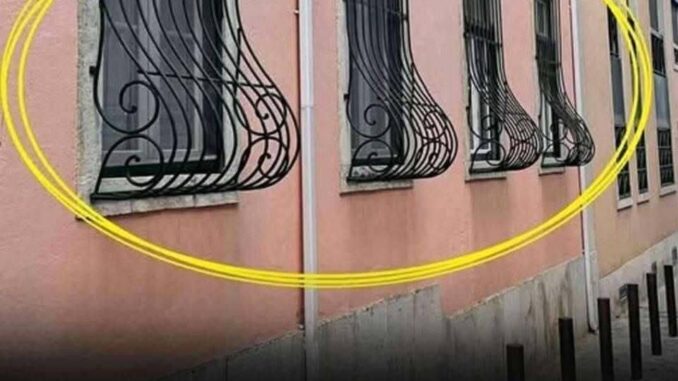
When walking through residential streets, especially in older cities or tightly packed neighborhoods, you may notice something interesting about certain windows: instead of having flat security bars, some windows feature bars that bulge outward in a rounded shape.
At first glance, this design might look purely decorative or even unusual. However, there is actually a very practical reasoning behind this architectural choice. These curved bars are not random—they combine safety, functionality, and even aesthetic value in a way that many people don’t immediately realize.
Understanding this design helps explain how everyday architecture often blends beauty with purpose.
The Main Purpose of Window Security Bars
Window security bars have been used for centuries as a simple but effective way to protect homes. Their primary role is to prevent unauthorized entry through windows, which are often more vulnerable points in a building compared to doors.
They are especially common on ground-floor apartments, shops, and older buildings where windows are easily accessible from the street.
While traditional bars are installed flat against the window frame, curved designs introduce a modified structure that adds extra usability without reducing protection.
Why Some Bars Have an Outward Curve (“Belly Design”)
The distinctive outward curve in certain window bars is often referred to as a “belly” or “bowed” design. This shape is intentional and serves several practical purposes beyond appearance.
Instead of lying flat against the window, the bars extend outward, creating additional space between the window glass and the metal structure.
This extra space turns out to be surprisingly useful in everyday life.
1. A Built-In Support for Flower Boxes and Plants
One of the most common and visible uses of curved window bars is as a support for flower boxes.
The outward bulge creates a stable ledge where residents can safely place planters filled with flowers, herbs, or small decorative plants. Without this curve, most standard flat bars would not allow secure placement of pots outside the window.
This simple feature transforms a security structure into something more visually appealing.
Across many European cities, for example, it is common to see vibrant flowers growing from windows with curved bars. This not only improves the appearance of buildings but also brings a sense of life and warmth to urban environments.
In densely populated areas where private gardens are rare, these small balcony-like extensions allow people to enjoy greenery without needing additional outdoor space.
2. Improved Airflow and Ventilation Space
Another practical advantage of curved window bars is improved airflow around the window area.
Because the bars are not pressed directly against the glass, they create a small buffer zone. This space allows better ventilation when windows are opened, especially in older buildings that rely on natural airflow rather than modern systems.
In warmer climates, this added spacing can also help reduce heat buildup near the window surface.
While this is not the primary function of the design, it is a helpful side benefit that contributes to more comfortable indoor conditions.
3. Accommodation for Air Conditioning Units
In many older buildings, especially apartments constructed before modern HVAC systems became standard, residents often install window-mounted air conditioning units.
Flat security bars would normally block or interfere with these units. However, curved designs make it possible to fit the AC unit inside the window while still maintaining a protective barrier.
The outward curve creates the necessary clearance, allowing the appliance to sit securely without requiring the bars to be removed.
This means homeowners can maintain both security and comfort at the same time.
4. Enhanced Aesthetic Appeal
Beyond functionality, curved window bars also serve an aesthetic role.
Straight metal bars can sometimes give buildings a strict or industrial appearance. In contrast, curved designs soften the visual impact and add architectural character.
Depending on the style, these bars can look elegant, traditional, or even decorative. Some designs include ornamental patterns such as scrolls or floral shapes, turning a simple safety feature into a visual highlight of the building’s exterior.
Architects often use these details to match the overall style of a neighborhood or to give older buildings a more refined look during renovations.
5. Increased Perceived Space from the Inside
Although the difference may not be physically large, curved bars can create a subtle feeling of extra space when viewed from inside the room.
Instead of a flat barrier directly in front of the window, the outward curve visually “opens up” the area, making the window feel less confined.
This psychological effect can make rooms feel slightly more open and less restricted, especially in small apartments where every visual improvement matters.
Materials Commonly Used in Window Bars
When it comes to manufacturing security bars—whether flat or curved—material choice is extremely important.
The most commonly used materials include:
- Wrought iron
- Steel
- Aluminum (in some modern designs)
Among these, steel and wrought iron are considered the strongest and most reliable. They are highly resistant to forced entry and can withstand harsh weather conditions such as rain, heat, and wind.
Powder coating is often applied to prevent rust and extend the lifespan of the bars, especially in coastal or humid regions.
Custom Designs and Modern Variations
Today, window bars are no longer purely functional. Many homeowners choose custom designs that match their personal style or the architectural theme of their building.
Modern fabrication techniques allow for:
- Minimalist straight bars
- Decorative curved patterns
- Geometric or artistic metalwork
- Combination designs with safety and aesthetics
Some manufacturers even offer digital previews, allowing customers to see how the bars will look before installation.
Online marketplaces and local metal workshops provide a wide range of options, making it easier than ever to find a design that balances security and appearance.
Are Curved Window Bars Safer Than Flat Ones?
In terms of security, both flat and curved window bars can be equally effective if properly installed and made from strong materials.
The key factor is not the shape but the quality of installation and the thickness of the metal used.
However, curved bars may have a slight advantage in practical use because they are less likely to interfere with window functions such as opening, cleaning, or installing accessories.
Final Thoughts
Curved window bars are a great example of how everyday design often combines multiple purposes in one simple structure.
What may initially look like a decorative feature actually serves several practical functions:
- Supporting plants and flower boxes
- Allowing air conditioning installation
- Improving ventilation space
- Enhancing building aesthetics
- Providing secure protection for windows
Rather than being just a security measure, they become part of the lifestyle and character of a home.
So the next time you notice these outward-bulging bars on a window, you’ll know they are not just a design choice—they are a clever solution that blends safety, comfort, and beauty in one simple form.
Leave a Reply