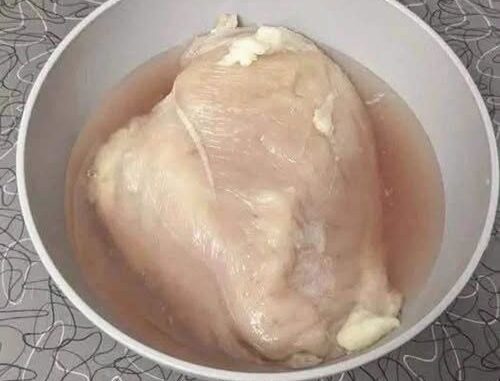
Many people have experienced the same situation: after a delicious meal, there is still some chicken left on the plate or in the serving dish. Hours later, you notice it sitting on the counter and wonder whether it is still safe to eat. While leftover chicken can be enjoyed later when stored correctly, understanding proper food safety practices is essential to reducing the risk of foodborne illness.
Chicken is one of the most commonly consumed proteins worldwide. It is versatile, nutritious, and often prepared in large batches for meal planning or family dinners. However, because it is a perishable food, it requires careful handling from preparation to storage. Even chicken that was cooked thoroughly can become unsafe if left at room temperature for too long.
Knowing how to store, reheat, and evaluate leftover chicken can help you make informed decisions and avoid unnecessary health risks. This guide explains why proper storage matters, how long cooked chicken remains safe, and the best practices for handling leftovers at home.
Why Chicken Requires Special Attention
Chicken contains moisture and nutrients that can support the growth of naturally occurring bacteria. Cooking chicken to the appropriate internal temperature destroys harmful microorganisms that may be present in raw poultry. However, cooking does not make chicken immune to future contamination.
After cooking, chicken can be exposed to bacteria from the environment, utensils, countertops, or even human handling. If the food remains at room temperature for an extended period, bacteria may begin multiplying. Over time, this growth can reach levels that increase the likelihood of foodborne illness.
Because chicken is a highly perishable food, it should be treated with the same care after cooking as it receives during preparation.
Understanding the Temperature Danger Zone
Food safety experts often refer to a temperature range known as the “danger zone.” This range falls between 40°F (4°C) and 140°F (60°C).
Within this temperature range, bacteria can multiply rapidly. Under favorable conditions, some types of bacteria can double in number in a relatively short period. This is why cooked foods should not remain at room temperature for long periods.
When hot chicken cools down and sits within the danger zone, bacterial growth becomes more likely. The longer it remains there, the greater the risk. Refrigeration slows bacterial growth significantly, while proper cooking and reheating temperatures help destroy many microorganisms.
Understanding this concept is one of the most important aspects of safe food handling.
How Long Can Cooked Chicken Sit Out?
A commonly recommended guideline is the “two-hour rule.” Cooked chicken should generally be refrigerated within two hours of cooking or serving.
If the surrounding temperature is particularly warm, such as during outdoor gatherings, summer picnics, or events where temperatures exceed 90°F (32°C), the recommended time is reduced to one hour.
These time limits are designed to minimize the opportunity for bacterial growth. Once the recommended period has passed, food safety experts generally advise discarding the chicken rather than taking chances.
Although it may appear perfectly normal, the absence of visible spoilage does not necessarily indicate safety.
Why Smell and Appearance Are Not Reliable Indicators
Many people rely on smell, color, or texture when deciding whether food is still good to eat. While these signs can sometimes indicate spoilage, they are not always reliable indicators of food safety.
Some harmful bacteria do not significantly alter the appearance, smell, or taste of food. Chicken may look fresh, smell normal, and still contain enough bacterial growth to cause illness.
For this reason, food safety recommendations emphasize time and temperature control rather than sensory evaluation alone.
Instead of asking whether the chicken looks safe, it is often more helpful to ask:
- How long has it been sitting out?
- Was it refrigerated promptly?
- Has it been stored at the correct temperature?
- How many days has it been in the refrigerator?
The answers to these questions usually provide a more accurate assessment of food safety.
Best Practices for Storing Leftover Chicken
Proper storage begins shortly after the meal ends. The goal is to cool and refrigerate leftovers quickly so they spend as little time as possible in the temperature danger zone.
Here are several recommended practices:
Use Shallow Containers
Large containers can trap heat, causing food to cool slowly. Shallow containers allow heat to escape more efficiently, helping chicken reach safe refrigerated temperatures faster.
Choose Airtight Storage
Airtight containers help protect food from contamination and reduce moisture loss. They also help preserve flavor and texture.
Refrigerate Promptly
Do not wait until bedtime or after cleaning the kitchen to put leftovers away. Refrigerating chicken as soon as possible helps maintain safety and quality.
Keep Refrigerators at Proper Temperatures
A refrigerator should generally maintain a temperature of 40°F (4°C) or below. Consider using a refrigerator thermometer if you are unsure of your appliance’s accuracy.
Label and Date Containers
Adding a storage date to containers can help prevent confusion later. It is easy to forget when leftovers were prepared, especially if multiple meals are stored in the refrigerator.
How Long Does Refrigerated Chicken Stay Safe?
Cooked chicken stored properly in the refrigerator can generally be consumed within three to four days.
This timeframe provides a practical balance between food quality and food safety. While the chicken may still appear acceptable after several days, bacterial growth can gradually increase over time.
If you know you will not eat the leftovers within a few days, freezing them is often the better option.
Freezing Leftover Chicken
Freezing is an excellent way to extend the storage life of cooked chicken.
When frozen properly, chicken can maintain good quality for several months. Although freezing does not necessarily destroy all microorganisms, it greatly slows their activity and helps preserve food until it is ready to be used.
To freeze leftover chicken effectively:
- Allow it to cool appropriately before freezing.
- Use freezer-safe containers or bags.
- Remove as much air as possible from storage bags.
- Label packages with the freezing date.
- Store portions in sizes that will be convenient to thaw later.
Proper packaging can also help reduce freezer burn and maintain texture.
Safe Thawing Methods
When it is time to use frozen chicken, thawing should be done safely.
Recommended methods include:
Refrigerator Thawing
This is often considered the safest approach. Chicken thaws gradually while remaining at a safe temperature.
Cold Water Thawing
Sealed chicken can be submerged in cold water, with the water changed regularly. This method is faster than refrigerator thawing but requires closer attention.
Microwave Thawing
Microwaves can thaw chicken quickly, but the food should be cooked immediately afterward to prevent uneven warming from creating favorable conditions for bacterial growth.
Avoid thawing chicken on kitchen counters at room temperature, as this can place portions of the food within the danger zone for extended periods.
Reheating Leftovers Properly
Reheating is another important step in food safety.
When reheating chicken, ensure it becomes hot throughout the entire portion rather than warm only on the surface. Uneven heating can leave cooler areas where bacteria may survive.
A food thermometer is one of the most reliable tools for checking reheated foods. The chicken should reach a safe internal temperature before serving.
When reheating:
- Stir foods when possible for even heating.
- Cover dishes to help retain moisture and heat.
- Verify that the center is fully heated.
- Avoid serving chicken that is merely lukewarm.
Taking a few extra minutes during reheating can contribute significantly to food safety.
Common Mistakes People Make With Leftovers
Several habits can unintentionally increase food safety risks:
Leaving Food Out Too Long
One of the most common mistakes is forgetting leftovers on the dining table or kitchen counter for several hours.
Overcrowding the Refrigerator
Packing a refrigerator too tightly can reduce airflow and make cooling less effective.
Repeated Reheating
Repeated cycles of cooling and reheating can affect both quality and safety. Whenever possible, reheat only the portion you plan to eat.
Ignoring Storage Dates
Without labels, leftovers can remain in the refrigerator longer than intended.
Being aware of these common mistakes can help create safer food-handling routines.
When in Doubt, Throw It Out
Food waste is understandably frustrating, and many people prefer not to discard perfectly good food. However, when there is uncertainty about how long chicken has been sitting out or whether it was stored properly, caution is often the best choice.
The cost of replacing a serving of chicken is usually far less than the inconvenience and discomfort that can result from foodborne illness.
If you cannot confidently determine how long the chicken remained unrefrigerated, or if its storage history is unclear, discarding it is generally the safest option.
Final Thoughts
Leftover chicken can be a convenient and delicious part of meal planning when handled correctly. The key principles are straightforward: refrigerate promptly, store properly, consume refrigerated leftovers within a few days, freeze extras when necessary, and reheat thoroughly before eating.
Food safety is largely about managing time and temperature. By following a few simple habits, you can enjoy leftovers with greater confidence while reducing unnecessary risks.
Remember, proper storage and handling are just as important after cooking as they are during meal preparation. A little attention today can help ensure tomorrow’s meal remains both enjoyable and safe.
Leave a Reply