History isn’t preserved only through famous landmarks or major historical events. Some of the most fascinating stories are hidden in everyday objects—items that once served practical purposes but now offer a glimpse into the lives, traditions, and craftsmanship of earlier generations.
Whether it’s an old family heirloom, a handcrafted architectural feature, or a unique element incorporated into a historic memorial, these objects remind us that even ordinary items can carry extraordinary meaning.
Sometimes, the smallest details tell the biggest stories.
Unexpected Discoveries in Historic Cemeteries
Walking through an older cemetery can feel like stepping into an outdoor history museum.
Each memorial reflects not only a person’s life but also the customs, artistic styles, and values of the era in which it was created.
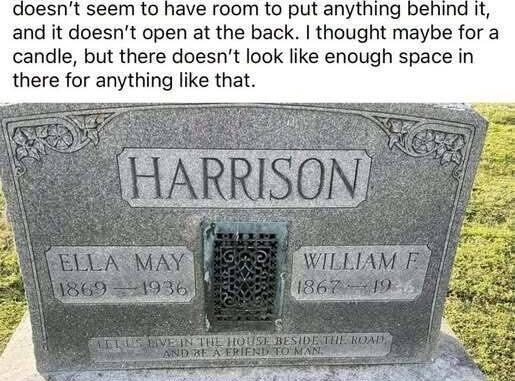
Occasionally, visitors notice unusual features attached to older grave markers—objects that seem out of place compared to traditional stone carvings or monuments.
One example that often sparks curiosity is the presence of decorative cast-iron pieces that resemble antique floor grates once commonly found in historic homes.
At first glance, they may appear unusual.
However, these details often have a deeper connection to the individual or family being remembered.
The History of Cast-Iron Floor Grates
Before modern heating and ventilation systems became standard, many homes relied on gravity heating or floor furnaces to distribute warm air.
Cast-iron floor grates were installed above heating ducts, allowing heat to move naturally from one room to another.
Although they served a practical function, these grates were far from plain.
Manufacturers created countless decorative patterns featuring:
- Floral designs
- Geometric shapes
- Scrollwork
- Victorian-inspired details
- Symmetrical architectural motifs
These fixtures combined durability with craftsmanship, becoming both functional household items and attractive design features.
Today, many restored historic homes proudly preserve their original cast-iron grates as part of their architectural character.
More Than Household Hardware
For families who lived with these features every day, cast-iron grates often became part of daily life.
They remind many people of:
- Childhood homes
- Cozy winter evenings
- Historic family houses
- Traditional craftsmanship
- Generations gathered together
Although they were designed simply to circulate warm air, they eventually became connected to memories of comfort and home.
Because of those emotional associations, it’s understandable why similar objects occasionally appear in memorials or family tributes.
Personal Symbols in Memorial Design
Historic memorials frequently include symbols that reflect a person’s interests, profession, or passions.
Rather than relying solely on names and dates, families often choose meaningful designs that tell part of someone’s life story.
Examples include:
- Books representing educators or lifelong learners
- Musical instruments honoring performers
- Farming tools recognizing agricultural work
- Religious symbols expressing personal beliefs
- Flowers symbolizing remembrance or renewal
- Military emblems acknowledging service
- Architectural details connected to a cherished home or family tradition
These personalized elements transform memorials into lasting reflections of individual lives.
The Legacy of Cast-Iron Craftsmanship
Throughout the nineteenth and early twentieth centuries, cast iron became one of the defining materials of architecture.
Its strength and versatility allowed craftsmen to create both structural and decorative pieces that still survive today.
Historic cast-iron work can be found in:
- Stair railings
- Decorative fences
- Balcony railings
- Building facades
- Park benches
- Street lamps
- Garden gates
- Floor registers and heating grates
Many of these pieces were carefully cast using detailed molds that showcased remarkable artistry.
Their durability has allowed them to remain part of historic buildings for generations.
Preserving Pieces of the Past
Historic preservation organizations continue working to protect original architectural features because they represent more than old construction methods.
They tell us how people once lived.
They reveal changing design trends.
They showcase local craftsmanship.
And they help preserve community history for future generations.
Whether restoring an old home or maintaining a historic cemetery, preserving these details keeps important stories alive.
Why Everyday Objects Matter
Items that seem ordinary today often become valuable historical artifacts over time.
Simple household objects can reveal information about:
- Daily routines
- Construction techniques
- Manufacturing methods
- Popular design styles
- Family traditions
- Regional history
By studying these objects, historians gain insight into how previous generations worked, lived, and created comfortable homes.
Even something as common as a heating grate can become a meaningful piece of cultural history decades later.
Historic Cemeteries as Outdoor Museums
Many people visit historic cemeteries to research family history or appreciate local heritage.
These peaceful spaces often contain remarkable examples of stone carving, metalwork, symbolism, and architecture spanning many decades.
Each memorial tells its own story.
Together, they create a broader picture of changing communities and traditions.
Visitors who take time to observe the smaller details often discover fascinating connections between everyday life and remembrance.
The Meaning of Home
Home represents much more than walls and a roof.
It symbolizes belonging.
Comfort.
Shared experiences.
Family traditions.
For many families, incorporating familiar architectural elements into a memorial can represent those lasting memories rather than simply decorating a monument.
Objects associated with a beloved home may serve as quiet reminders of the places where life’s most meaningful moments unfolded.
Looking at History Differently
The next time you visit a historic site, an older neighborhood, or a cemetery, consider looking beyond the larger monuments.
Notice the smaller details.
A decorative iron feature.
An unusual carving.
A handcrafted design.
These elements often reveal just as much about history as the names engraved in stone.
They remind us that history isn’t built solely through famous events or public figures.
It’s also preserved through ordinary objects that quietly accompanied everyday life.
Final Thoughts
Historic memorials often include thoughtful details that encourage curiosity and reflection.
What may first appear to be an ordinary cast-iron object could represent decades of family memories, traditional craftsmanship, or a meaningful connection to home.
By slowing down and appreciating these subtle features, we gain a deeper understanding of the people who came before us and the lives they built.
Sometimes, the most meaningful pieces of history aren’t the largest or the most famous.
They’re the everyday objects that quietly carry generations of memories, reminding us that even the simplest things can leave a lasting legacy.
Leave a Reply