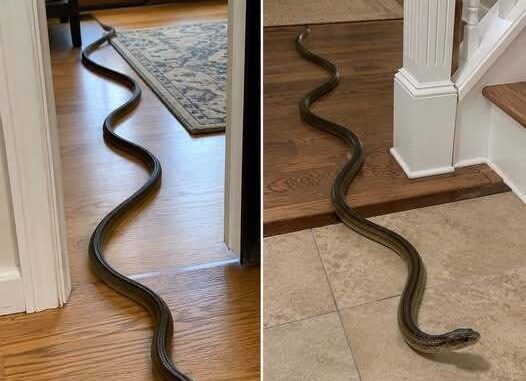
Finding a snake inside your home is an experience that can quickly turn an ordinary day into a stressful one. Whether it appears in a hallway, garage, basement, laundry room, or even the kitchen, the sight of a snake often surprises homeowners and raises immediate questions. How did it get inside? Is it dangerous? What should you do next?
Although encountering a snake indoors can be alarming, wildlife experts explain that snakes rarely enter homes because they are interested in people. Instead, they are usually searching for the basic necessities of survival, such as food, shelter, water, or protection from extreme weather. Understanding why snakes enter homes—and knowing how to respond calmly—can help reduce panic while keeping both your family and the animal safe.
At the same time, snakes have been surrounded by symbolism and folklore for centuries. Many cultures associate them with ideas such as transformation, renewal, wisdom, or protection. While these traditional beliefs remain important parts of cultural heritage, they should be understood as symbolic interpretations rather than scientific explanations for why snakes appear in or around homes.
Why Snakes Enter Homes
From a biological perspective, snakes are simply wild animals searching for resources.
They commonly enter residential areas in search of:
- Food
- Water
- Shelter
- Warmth
- Protection from predators
If your property provides these conditions, a snake may occasionally wander indoors through an available opening.
Looking for Food
One of the most common reasons snakes approach homes is the presence of prey.
Many snake species feed on:
- Mice
- Rats
- Small birds
- Lizards
- Frogs
- Insects
- Eggs
If rodents have already established themselves in your garage, attic, basement, or crawl space, snakes may simply be following an available food source.
Controlling rodent populations often reduces the likelihood of snake encounters.
Seeking Shelter
Snakes prefer places where they can remain hidden and protected.
Common hiding places include:
- Basements
- Garages
- Storage rooms
- Wood piles
- Dense shrubs
- Rock gardens
- Crawl spaces
- Utility areas
Homes can unintentionally provide excellent shelter, particularly during periods of extreme heat or cold.
Weather Can Influence Snake Activity
Environmental conditions play an important role in snake behavior.
During very hot weather, snakes often seek cooler environments.
During periods of heavy rain or flooding, they may leave their natural habitats in search of dry ground.
Likewise, cooler temperatures may encourage snakes to seek protected locations where conditions remain more stable.
These seasonal changes can increase the likelihood of occasional encounters near homes.
How Snakes Get Inside
Many homeowners are surprised by how easily snakes can enter a building.
Possible entry points include:
- Gaps beneath doors
- Cracks in foundations
- Open garage doors
- Damaged window screens
- Utility pipe openings
- Crawl space vents
- Basement openings
Even relatively small gaps may allow certain species to enter.
Inspecting and sealing these openings can significantly reduce future visits.
Stay Calm if You Encounter a Snake
The first reaction is often fear.
However, sudden movements may increase risk.
Wildlife experts generally recommend:
- Remaining calm
- Keeping your distance
- Watching the snake from a safe location
- Avoiding attempts to touch or corner it
Most snakes prefer escaping rather than confronting people.
Giving the animal space often reduces stress for everyone involved.
Protect Children and Pets
If children or pets are nearby, move them away from the area immediately.
Curious pets may approach the snake, increasing the possibility of injury.
Keep everyone at a safe distance until the situation has been resolved.
Avoid Trying to Capture It Yourself
Many snake bites occur when people attempt to catch or kill the animal.
Even nonvenomous snakes may bite if they feel threatened.
Additionally, correctly identifying snake species can be difficult without training.
For these reasons, professionals generally recommend leaving removal to trained wildlife personnel.
Contact Wildlife Professionals
Animal control agencies and licensed wildlife removal specialists have the equipment and experience needed to safely relocate snakes.
Professional assistance helps protect both:
- Household members
- The snake itself
Removing the animal safely also allows professionals to inspect the property for possible entry points.
Preventing Future Encounters
Simple maintenance can make your property much less attractive to snakes.
Helpful prevention measures include:
- Sealing foundation cracks
- Repairing damaged screens
- Keeping garages organized
- Trimming tall grass
- Removing brush piles
- Storing firewood away from the house
- Controlling rodents
- Eliminating unnecessary clutter
Reducing hiding places and food sources is often the most effective long-term strategy.
Why Rodent Control Matters
Rodents and snakes are closely connected.
If mice or rats become established around a property, predators may eventually follow.
Keeping food securely stored, maintaining clean storage areas, and addressing rodent problems promptly benefits both home hygiene and wildlife prevention.
Common Myths About Snakes
Several myths continue circulating about snakes entering homes.
Myth: A snake enters because it wants to attack people.
Reality: Most snakes avoid humans whenever possible and enter buildings for shelter or food rather than confrontation.
Myth: Every snake is venomous.
Reality: Most snake species around the world are nonvenomous.
Myth: Snakes chase people.
Reality: In most situations, snakes prefer escaping rather than approaching humans.
Understanding these facts helps reduce unnecessary fear while encouraging appropriate caution.
Cultural Beliefs About Snakes
Throughout history, snakes have appeared in folklore, religious traditions, and cultural stories around the world.
Depending on the culture, they may symbolize:
- Transformation
- Renewal
- Wisdom
- Healing
- Protection
- Change
These symbolic interpretations vary widely between communities and traditions.
They reflect cultural beliefs rather than scientific explanations for snake behavior.
Appreciating Their Ecological Role
Although many people fear snakes, they perform valuable ecological functions.
By feeding on rodents and other small animals, snakes help naturally regulate populations that might otherwise damage crops or spread disease.
Healthy ecosystems often depend upon predators like snakes to maintain balance.
Respecting wildlife while maintaining safe boundaries benefits both people and nature.
What to Do After Removal
Once the snake has been safely removed, inspect your property carefully.
Look for:
- Foundation gaps
- Damaged weather stripping
- Open vents
- Rodent activity
- Cluttered storage areas
- Overgrown vegetation
Addressing these issues promptly reduces the likelihood of future visits.
When to Seek Emergency Care
If someone is bitten by a snake:
- Move away from the snake.
- Seek emergency medical care immediately.
- Do not attempt to capture the snake unless it can be done safely.
- Avoid cutting the wound or attempting to suck out venom.
- Keep the affected limb as still as possible while waiting for medical assistance.
Prompt professional treatment is always the safest response to any suspected snakebite.
Final Thoughts
Discovering a snake inside your home can be frightening, but in most cases the animal is simply searching for food, shelter, water, or protection from harsh weather rather than seeking contact with people. Understanding this behavior can help replace panic with practical action.
The safest response is to remain calm, keep your distance, protect children and pets, and contact trained wildlife professionals to remove the snake if necessary. Afterwards, sealing entry points, reducing clutter, maintaining your yard, and controlling rodent populations can significantly reduce the likelihood of future encounters.
While many cultures have long associated snakes with symbolic meanings such as transformation or renewal, these interpretations are matters of tradition rather than biology. In everyday life, a snake’s presence is usually best explained by natural wildlife behavior—and with the right precautions, it is a situation that can be handled safely and responsibly.
Leave a Reply