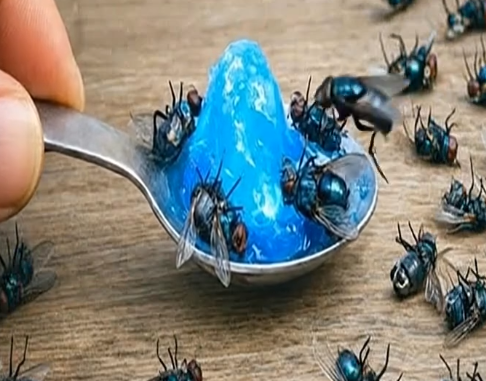
Introduction to Household Flies and Their Common Presence
Flies are among the most frequently encountered pests in residential settings, especially during warmer seasons. Their presence is often noticeable in kitchens, patios, garbage areas, and places where food is stored or consumed. While a few flies might seem harmless, their rapid reproduction and attraction to food sources can quickly turn them into a significant nuisance.
Understanding the Behavior and Attraction of Flies
To effectively manage flies, it is important to understand what draws them into homes. Flies are naturally attracted to organic matter such as food scraps, overripe fruits, sugary beverages, pet food, and garbage. They are also drawn to moist environments, including standing water and compost piles. Even small amounts of leftover food or residue can attract flies from some distance away.
The presence of flies is often a sign that there are accessible sources of food or breeding grounds nearby. This knowledge can help homeowners identify and address potential fly attractants.
Challenges Posed by Flies in Residential Spaces
Beyond their mere annoyance, flies can impact quality of life by interfering with meals and outdoor activities. Their buzzing and tendency to land on food or surfaces can be bothersome and unhygienic. Although flies do not inherently carry diseases in all cases, their contact with waste and decaying matter can raise concerns about sanitation.
Due to these factors, many people seek effective and safe ways to minimize fly populations in their living areas.
Homemade Fly Traps: Simple and Accessible Solutions
One popular method for reducing flies involves creating a homemade fly trap using common household materials. These traps are valued for being affordable, easy to set up, and free from harsh chemicals.
A typical homemade fly trap can be made using a plastic bottle, warm water, sugar, vinegar, and dish soap. The sugar and vinegar act as attractants due to their sweet and fermented odors. The dish soap reduces the surface tension of the liquid, causing flies that land on the surface to sink and be trapped.
The design usually involves cutting the plastic bottle to create a funnel that guides flies into the trap but makes it difficult for them to escape. Placing these traps in strategic locations such as near garbage bins, compost areas, patios, or outdoor seating can help reduce fly numbers.
Advantages of Homemade Fly Traps
Homemade fly traps offer multiple benefits:
- Cost-effectiveness: Most ingredients are readily available at home.
- Safety: No harmful chemicals are involved, making them suitable for homes with children and pets.
- Customizability: The traps can be adjusted based on materials at hand and specific needs.
- Educational Value: Making and using these traps can enhance understanding of pest control principles.
While not a complete solution on their own, these traps can be a valuable component of an integrated approach to fly management.
The Importance of Preventative Measures
Preventing flies from entering or thriving in the home is often more effective than attempting to eliminate them after they appear. Key prevention strategies include:
- Food Management: Keeping food covered and stored properly reduces odors and accessible sources for flies.
- Waste Control: Regularly emptying trash bins, using lids on garbage containers, and cleaning waste areas help minimize fly attractants.
- Sanitation: Routine cleaning of surfaces such as countertops, floors, and sinks removes food residues and spills that can attract flies.
- Entry Point Maintenance: Inspecting and repairing window screens, door seals, and vents can limit fly access indoors.
Addressing Outdoor Conditions
Because flies often originate from outdoor sources, managing the exterior environment is crucial. This includes eliminating standing water, promptly cleaning pet waste, maintaining compost piles properly, and ensuring outdoor trash containers are secure and clean. These steps reduce breeding sites and discourage flies from congregating near the home.
Debunking Common Misconceptions About Flies
Several myths exist regarding flies that can hinder effective management:
- Myth: A single fly is harmless and does not indicate a problem. While one fly might not be alarming, multiple flies often point to a nearby attractant.
- Myth: Only dirty homes have fly problems. Flies can be attracted to clean homes due to open doors, outdoor factors, or seasonal changes.
- Myth: Fly control methods work immediately. Effective management typically requires ongoing efforts and combining multiple strategies.
Natural and Non-Chemical Fly Deterrents
In addition to traps and prevention, some natural methods can help discourage flies, such as:
- Using fans to create airflow that flies dislike.
- Planting herbs and flowers like basil, lavender, or mint, which may repel flies.
- Improving ventilation to reduce stagnant air and moisture.
While these methods might not eliminate flies entirely, they can contribute to a more fly-resistant environment when combined with other practices.
Seasonal Considerations in Fly Management
Flies tend to be more active during spring and summer due to warmer temperatures and increased outdoor food-related activities. Understanding this seasonal pattern allows homeowners to prepare in advance by implementing preventative measures early and increasing monitoring during peak times.
Integrating Multiple Approaches for Better Results
Relying on a single method to control flies is often less effective than combining strategies. An integrated approach that includes sanitation, prevention, homemade traps, and outdoor management typically yields the best outcomes. Consistency and patience are important, as results may take time to become noticeable.
Creating a Comfortable and Hygienic Home Environment
Ultimately, managing flies contributes to a more pleasant and sanitary living space. Good housekeeping habits, proper food and waste management, and simple homemade solutions empower homeowners to maintain control over common household pests. These practices not only reduce fly populations but also promote overall cleanliness and well-being.
Conclusion
Flies are a common challenge during warmer months, but with informed strategies, their presence can be significantly minimized. Homemade fly traps provide a safe and affordable tool, while prevention through good sanitation and environmental management addresses the root causes of fly attraction. By combining these methods with natural deterrents and seasonal awareness, homeowners can create environments less hospitable to flies and enjoy greater comfort at home.
Understanding the Biology of Flies to Improve Control Efforts
A deeper understanding of the biology and lifecycle of flies can enhance the effectiveness of control methods. Most common household flies, such as the housefly (Musca domestica), undergo complete metamorphosis with four distinct stages: egg, larva (maggot), pupa, and adult. Female flies lay eggs in moist organic material like garbage, compost, or animal waste, which serve as breeding grounds. The eggs hatch quickly, and the larvae feed on the organic matter before pupating and emerging as adults.
Knowing this lifecycle highlights the importance of not only eliminating adult flies but also addressing their breeding sites. Regular removal or management of organic waste and moist environments interrupts the lifecycle and reduces fly populations over time.
Safe Handling and Disposal of Fly Traps
When using homemade fly traps, it is important to handle and dispose of them properly to maintain hygiene and safety. Once a trap has collected flies, it should be sealed and discarded or emptied regularly to prevent odors and secondary infestations.
For those who prefer to reuse traps, cleaning them thoroughly with hot water and soap before refilling is advisable. Avoid direct contact with trapped insects to reduce the risk of contamination.
Additionally, placing traps out of reach of children and pets helps prevent accidental ingestion or contact with trap liquids.
The Role of Environmental Factors in Fly Populations
Environmental conditions such as temperature, humidity, and light affect fly behavior and reproduction. Flies thrive in warm, moist environments where food sources are accessible. They are less active in cooler temperatures but can remain present indoors year-round in some climates.
Understanding these factors can help homeowners anticipate periods of increased fly activity and implement control measures proactively. For example, increasing sanitation efforts and trap placement during warmer months can limit fly population growth.
Fly Behavior and Sensory Perception
Flies rely on a combination of sensory cues to locate food and breeding sites. Their compound eyes provide a wide field of vision, detecting movement and contrasting colors. They are also highly sensitive to odors, particularly those from fermenting or decaying organic matter.
This sensory information explains why sweet and vinegar-based homemade traps are effective attractants. It also underlines the importance of minimizing odors from garbage and food waste to reduce fly attraction.
Community-Wide Efforts in Fly Control
While individual households can take many steps to reduce flies, community-wide efforts can amplify results. In neighborhoods or communal living spaces, coordinated waste management, shared clean-up days, and public education about fly prevention can decrease overall fly populations.
Communal composting programs with proper maintenance, regular street cleaning, and public disposal facilities contribute to reducing breeding grounds. Such collective actions support individual efforts and create healthier living environments.
Fly Control in Relation to Public Health
Although houseflies are not direct vectors of all diseases, they can mechanically carry pathogens from contaminated sources to food and surfaces. This is why maintaining fly control is relevant for public health.
Reducing fly populations in residential and food preparation areas decreases the risk of contamination and potential transmission of bacteria. Using safe, non-chemical methods such as homemade traps complements good hygiene and sanitation practices, contributing to safer homes.
Fly Traps Beyond the Home: Applications and Variations
Homemade fly traps are not limited to residential use. Variations of these traps are utilized in agricultural settings, outdoor events, and commercial food establishments to manage fly populations.
For example, larger-scale traps may be designed with durable materials and placed strategically around barns, gardens, or picnic areas. The principles remain similar—using attractants combined with a trap mechanism to capture flies effectively.
Such adaptability demonstrates the versatility of simple fly control concepts and their potential for broader application.
Evaluating the Effectiveness of Homemade Fly Traps
While homemade fly traps can reduce fly numbers, their effectiveness varies based on factors such as trap placement, attractant freshness, fly species, and environmental conditions.
Homeowners are encouraged to monitor trap results and adjust strategies accordingly. For instance, moving traps to different locations or refreshing the bait mixture weekly can improve capture rates.
Integrating traps with other preventive measures will generally yield better control than relying solely on traps.
The Psychological Impact of Fly Infestations
Beyond physical nuisance, flies can affect psychological comfort in homes. Persistent fly activity may cause frustration, stress, and decreased enjoyment of living spaces.
Implementing control measures, including homemade traps, helps restore a sense of cleanliness and control. This positive psychological effect contributes to overall well-being and satisfaction with one’s home environment.
Sustainable Practices in Fly Management
Choosing homemade, non-chemical fly control methods aligns with sustainable living principles. These approaches minimize environmental impact by avoiding pesticides and reducing chemical residues indoors and outdoors.
Additionally, using recyclable or reusable materials for traps supports waste reduction. Emphasizing prevention and sanitation over reactive chemical use fosters healthier ecosystems around homes.
This sustainable mindset benefits both human health and the environment.
Educational Opportunities Through DIY Fly Control
Creating and using homemade fly traps can serve as a practical educational activity for families and communities. It offers hands-on learning about insect behavior, basic chemistry, and environmental stewardship.
Engaging children and adults in these projects encourages curiosity about natural processes and promotes responsible pest management practices.
Such educational experiences can foster long-term positive attitudes toward integrated pest management and environmental care.
Fly Control in Different Cultural Contexts
Approaches to managing flies vary across cultures and regions, influenced by local traditions, available materials, and environmental conditions. Homemade traps have been adapted worldwide using locally sourced ingredients and designs.
Understanding and respecting these diverse methods can offer valuable insights and alternative solutions for fly control. Sharing knowledge across cultures supports innovation and effective pest management globally.
Future Innovations and Research in Fly Management
Research continues on improving fly control strategies, including the development of more efficient traps, biological controls, and environmentally friendly repellents.
Advances in understanding fly genetics and behavior may lead to targeted interventions that reduce fly populations with minimal ecological disruption.
Homeowners can stay informed about new developments and integrate proven innovations into their pest management routines as appropriate.
Summary and Practical Takeaways
- Understanding fly biology and behavior enhances control effectiveness.
- Proper handling and disposal of traps maintain hygiene and safety.
- Environmental and seasonal factors influence fly activity.
- Community efforts complement individual fly management.
- Non-chemical methods contribute to public health and sustainability.
- Monitoring and adjusting trap use improves outcomes.
- Educational engagement with fly control promotes awareness.
- Cultural perspectives enrich fly management approaches.
By combining knowledge, preventive habits, and simple homemade solutions, homeowners can create healthier, more comfortable living spaces with reduced fly disturbances.
Leave a Reply