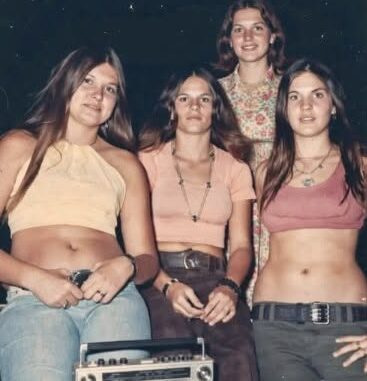
The 1970s stand out as a pivotal decade marked by significant social, cultural, and personal transformations, especially for women. This era witnessed a dynamic convergence of evolving societal roles, expanding opportunities, and a vibrant expression of individuality. By examining the decade through the lens of women’s experiences, we gain insight into a time that helped shape contemporary perspectives on identity, freedom, and community.
Social and Cultural Context of the 1970s
The 1970s were a period of broad change worldwide, characterized by shifts in political attitudes, economic challenges, and cultural revolutions. For women, this decade was particularly significant as it built upon the momentum of the previous decade’s movements advocating for gender equality and personal rights. The era saw increased access to higher education for women and gradual integration into workplaces that had historically been male-dominated. These changes were accompanied by evolving family structures and new conversations about gender roles.
Women’s participation in activism, education, and professional environments contributed to a growing sense of empowerment. Yet, the decade was not monolithic; women’s experiences varied widely depending on geography, race, socioeconomic status, and personal aspirations. This diversity is captured in the imagery and stories from the time, illustrating a mosaic of lifestyles and ambitions.
Fashion as a Canvas for Identity
One of the most visually distinctive aspects of the 1970s was fashion. Unlike rigid trends of earlier decades, the 70s embraced eclecticism and self-expression. Women’s clothing ranged from flowing maxi dresses and peasant blouses to sharp pantsuits and denim ensembles. Bell-bottoms, platform shoes, and bold prints became symbols of both rebellion and freedom.
Fashion was not merely about aesthetics but also a statement of individuality and social attitudes. Many women experimented with styles that blended influences from different cultures, reflecting the decade’s openness and exploration. The use of vibrant colors and diverse textures allowed women to express their personalities in ways that were less common in previous generations.
Hairstyles Reflecting Natural Beauty and Freedom
Alongside fashion, hairstyles in the 1970s moved toward naturalness and ease. Women often wore their hair long and embraced natural textures, moving away from the heavily styled looks popular in earlier decades. Feathered haircuts, loose waves, and layered styles gained popularity, symbolizing a relaxed and authentic approach to beauty.
This shift in hairstyling also paralleled broader social changes. The acceptance of natural hair textures and less rigid grooming standards echoed the era’s emphasis on authenticity and self-acceptance. Photographs from the time frequently showcase these styles, which remain iconic symbols of 1970s aesthetics.
The Changing Role of Women in Society
The 1970s marked significant progress in women’s societal roles. Educational opportunities expanded, with more women enrolling in universities and technical programs. Employment options diversified, allowing women to enter professions previously dominated by men, including science, law, business, and the arts.
Entrepreneurship also became more accessible, as women increasingly launched their own businesses or engaged in creative industries. These developments contributed to a growing sense of independence and self-determination. Women balanced traditional roles with new ambitions, navigating the complexities of evolving expectations.
Family Dynamics and Community Life
Family remained central during the 1970s, but the decade introduced changes in family dynamics and community interactions. Extended family gatherings, neighborhood events, and communal activities were common, fostering strong social bonds. Without the distractions of modern digital technology, face-to-face communication and shared experiences played a crucial role in daily life.
These social patterns are evident in photographs capturing family celebrations, outdoor activities, and community events. Such images reveal a lifestyle centered on interpersonal connection and collective participation, reflecting the social values of the time.
Technological Landscape and Its Influence
The technology available in the 1970s shaped how people communicated and documented their lives. Unlike today’s instant connectivity, communication relied on landline phones, written letters, and in-person meetings. Photography involved film cameras, requiring patience and deliberation since images had to be developed before being viewed.
This slower pace influenced how moments were captured and shared, often resulting in photographs that felt more intentional and meaningful. The absence of digital editing also meant that images reflected authentic appearances and genuine expressions, offering a window into the real experiences of the era.
Entertainment and Cultural Engagement
Entertainment in the 1970s was characterized by communal and analog experiences. Music played a defining role, with vinyl records and live concerts serving as popular outlets for cultural expression. Television broadcasts and print media like magazines were primary sources of information and leisure.
Outdoor activities, reading, and participation in local events further shaped the social fabric. This environment fostered a sense of shared culture and identity, with women actively engaging in various forms of artistic and communal pursuits.
The Enduring Appeal of 1970s Imagery
Photographs from the 1970s continue to captivate audiences because they encapsulate a unique moment in history. They provide tangible links to a time before digital mediation, preserving the nuances of style, behavior, and social interaction. Through these images, contemporary viewers can appreciate the blend of tradition and innovation that defined the decade.
Moreover, the 1970s serve as a reminder of the ongoing journey toward equality and self-expression. The decade’s visual and cultural legacy continues to influence fashion, media, and social discourse, underscoring its lasting relevance.
Insights and Reflections
Examining the experiences of women in the 1970s offers valuable lessons about adaptability, resilience, and the pursuit of authenticity. This period demonstrated how cultural shifts can open new pathways while maintaining connections to community and personal identity.
For today’s readers, reflecting on this decade encourages an appreciation of progress and the complexities involved in social change. It also highlights the importance of preserving diverse narratives and recognizing the multifaceted nature of historical moments.
In summary, the 1970s were a transformative era for women, characterized by expanding freedoms, evolving styles, and a rich tapestry of social experiences. This decade’s influence persists, inviting continued exploration and understanding of its contributions to modern society.
The Influence of Feminist Movements on Women’s Lives in the 1970s
The 1970s were deeply influenced by feminist movements that had gained momentum in the late 1960s. These movements advocated for equal rights, reproductive freedom, workplace equality, and legal reforms. Women increasingly organized to challenge societal norms and demand systemic changes. This activism was visible in protests, consciousness-raising groups, and the formation of organizations dedicated to women’s rights.
This period also saw landmark legislative efforts in several countries aimed at reducing gender discrimination. Access to contraception and abortion services expanded in some regions, contributing to women’s autonomy over their bodies and life choices. These developments encouraged women to think differently about their roles both inside and outside the home, fostering greater ambitions and a redefinition of femininity that embraced strength and independence.
Media Representation and Changing Narratives
The portrayal of women in media during the 1970s began to shift, reflecting broader social changes. Television shows, films, and magazines started featuring more complex female characters and stories that went beyond traditional domestic roles. While stereotypical depictions persisted, there was a growing presence of narratives that highlighted women’s careers, friendships, and struggles for equality.
This evolving media landscape influenced public perceptions and provided role models for younger generations. Women saw reflections of their own desires and challenges, which helped validate their experiences and aspirations. At the same time, critical voices emerged, questioning how media representations could still perpetuate certain biases. This tension contributed to ongoing debates about gender roles and cultural expectations.
The Role of Music and Art in Expressing Women’s Experiences
Music and art were powerful outlets for self-expression and social commentary during the 1970s. Female artists and musicians used their platforms to explore themes of identity, empowerment, and social justice. Genres such as folk, rock, and soul featured prominent women whose lyrics and performances resonated with audiences seeking change.
Visual arts also reflected the decade’s complex social landscape. Many women artists addressed issues related to gender, sexuality, and personal freedom, often challenging traditional aesthetics and conventions. These creative expressions added richness to the cultural fabric of the era and provided alternative ways for women to communicate their stories and perspectives.
Intersectionality and Diverse Experiences
It is important to recognize that women’s experiences in the 1970s were not uniform. Factors such as race, ethnicity, class, and geographic location significantly shaped individual realities. Women of color, working-class women, and those living outside urban centers often faced different challenges and opportunities compared to their white, middle-class counterparts.
Intersectional perspectives highlight how overlapping identities influenced access to education, employment, and social mobility. For instance, minority women frequently encountered both gender and racial discrimination, which complicated their pursuit of equality. Understanding this diversity is essential for a comprehensive view of the decade and for acknowledging the contributions of all women to social progress.
The Evolution of Women’s Health Awareness
The 1970s also marked important advances in women’s health awareness and advocacy. The decade brought increased attention to reproductive health, breast cancer research, and mental health issues affecting women. Activists and health professionals worked to improve education, access to care, and patient rights.
This period saw the rise of self-help groups and community-based health initiatives that empowered women to take charge of their well-being. It also fostered conversations about the medical establishment’s treatment of women and encouraged more patient-centered approaches. These developments laid groundwork for ongoing efforts to address gender disparities in healthcare.
Economic Changes and Women’s Financial Independence
Economic shifts in the 1970s influenced women’s financial independence and labor force participation. Inflation, recession, and changing industries created both challenges and openings for women seeking employment. Many entered part-time or full-time jobs to support themselves and their families, contributing to household incomes in new ways.
The decade also saw the emergence of women-owned businesses and female entrepreneurs who challenged traditional economic roles. Although barriers remained, these efforts showcased women’s capabilities and aspirations in the economic sphere. Financial independence became a key theme for many women, symbolizing broader desires for autonomy and self-determination.
Education and Expanding Horizons
Education was a critical area of growth for women in the 1970s. More women enrolled in colleges and universities than ever before, pursuing degrees in diverse fields including science, engineering, law, and business. This educational expansion provided the foundation for future career opportunities and leadership roles.
The increased presence of women in academic settings also led to the development of women’s studies programs and greater awareness of gender issues within education. These changes contributed to a broader cultural shift that questioned traditional gender norms and encouraged intellectual exploration.
Legacy and Continued Impact
The changes experienced by women in the 1970s continue to influence contemporary society. The decade’s strides in equality, style, and self-expression set precedents that shaped future generations. Many of today’s discussions around gender roles, workplace rights, and personal identity have roots in this transformative era.
Moreover, the aesthetic and cultural innovations of the 1970s remain a source of inspiration in fashion, media, and art. The decade’s emphasis on authenticity and individuality resonates with ongoing cultural values. Reflecting on this legacy allows us to appreciate the progress made and recognize the work still needed to achieve full equality.
Encouraging Critical Engagement with History
When exploring historical periods like the 1970s, it is valuable to approach photographs, narratives, and cultural artifacts with critical awareness. Understanding context, recognizing diversity of experiences, and questioning prevailing narratives enrich our appreciation of history.
Engaging thoughtfully with the past also helps combat stereotypes and oversimplifications. It invites readers to consider how societal conditions shape individual lives and how collective actions contribute to change. This mindset fosters empathy and informed perspectives on both history and current social issues.
Practical Takeaways for Today
The story of women in the 1970s offers several practical lessons for contemporary readers. It highlights the importance of resilience amid change, the power of self-expression, and the value of community support. It also underscores the ongoing relevance of education and activism in advancing social progress.
By learning from this decade, individuals can better understand the complexities of social transformation and the role each person plays in shaping their environment. This reflection encourages participation in building inclusive and equitable societies, honoring the legacy of those who paved the way.
In conclusion, the 1970s were a multifaceted decade that profoundly influenced women’s lives across social, cultural, economic, and political domains. Its rich history continues to offer insights and inspiration, reminding us of the enduring quest for equality, identity, and community.
Leave a Reply