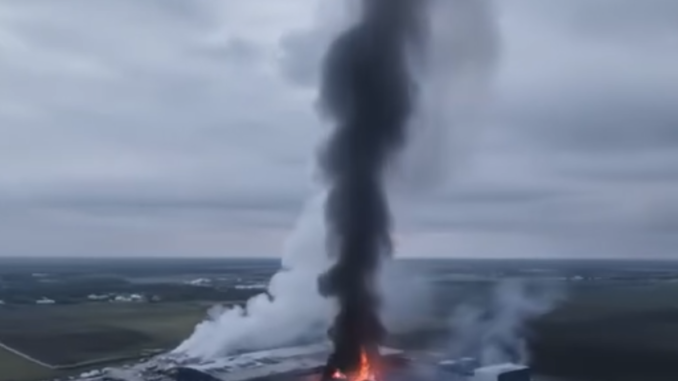
The rapid development of building fires presents a significant challenge for residents, emergency responders, and communities alike. Fires in residential, commercial, and historic buildings can escalate swiftly, often with little warning, underscoring the importance of understanding fire behavior, implementing safety measures, and fostering community preparedness.
Fire Dynamics and Contributing Factors
Fires typically begin with a small ignition source such as an electrical fault, unattended cooking, or combustible materials catching fire. The speed at which a fire spreads depends on multiple factors including the amount and type of fuel present, ventilation, building design, and environmental conditions like wind and humidity. For instance, open windows or ventilation systems can provide oxygen that accelerates combustion, while densely packed combustible materials serve as fuel to intensify the flames.
Older Structures and Fire Vulnerability
Historic or older buildings often pose additional risks during fires due to their construction materials and design. Many were built with wooden frames and may have outdated electrical wiring or limited fire-resistant features. Narrow corridors, shared attics, and lack of modern fire suppression systems can contribute to faster fire propagation and complicate evacuation efforts. Although many older buildings undergo renovations to meet current safety codes, ongoing maintenance and upgrades remain vital to reducing fire risks.
Recognizing Early Signs of Fire
Timely detection is crucial in preventing injuries and limiting damage. Early indicators of a developing fire often include the presence of smoke, unusual odors such as burning plastic or wood, heat near walls or ceilings, and sounds like crackling or popping. Smoke alarms and fire detection systems are essential tools that can alert occupants promptly, providing critical time to evacuate or respond.
Emergency Response and Evacuation Protocols
When a fire is detected, immediate evacuation is the safest course of action. Emergency responders prioritize alerting occupants, establishing clear evacuation routes, and assisting individuals who may require additional help, such as children, elderly residents, or persons with disabilities. Swift evacuation reduces the risk of injury and allows firefighters to focus on containing the fire. Familiarity with evacuation plans and regular fire drills both at home and in workplaces enhance readiness during actual emergencies.
Challenges Faced by Firefighters
Firefighters encounter numerous hazards while combating building fires. Thick smoke limits visibility and contains toxic gases, high temperatures threaten heat exhaustion or burns, and unstable structures may pose collapse risks. Electrical hazards and falling debris further complicate firefighting efforts. Fire crews rely on protective gear, breathing apparatus, and coordinated teamwork to navigate these dangers and execute rescue and containment operations effectively.
Community Involvement and Support Systems
The aftermath of a building fire often requires coordinated community support. Local organizations and volunteers frequently provide essential services such as temporary shelter, food, clothing, and emotional support to displaced individuals and families. Community resilience is strengthened by these networks, which also assist in recovery planning and rebuilding efforts.
Preventative Measures to Enhance Safety
While not all fires can be prevented, adopting proactive safety practices significantly reduces risk. Regular testing and maintenance of smoke detectors, accessible fire extinguishers, safe storage of flammable materials, and proper upkeep of electrical and heating systems are foundational steps. Developing and practicing evacuation plans at home and in commercial settings ensures occupants are prepared to respond quickly. Businesses should also comply with fire safety regulations, including maintaining clear emergency exits and conducting routine fire drills.
Post-Fire Investigation and Learning
After extinguishing a fire, investigators analyze the scene to determine its origin and cause. This process involves examining the point of ignition, assessing structural damage, and evaluating the performance of fire safety systems. Findings inform improvements in fire prevention strategies, building codes, and public education campaigns aimed at reducing future incidents.
Conclusion: Building Safer Communities Through Awareness and Preparedness
Understanding how fires start and spread within buildings is essential for fostering safer environments. Fire safety depends not only on the efforts of emergency personnel but also on individual preparedness and community cooperation. By maintaining functional safety equipment, adhering to fire prevention practices, and supporting one another during crises, communities can mitigate the impacts of building fires and enhance overall resilience.
The Role of Fire Prevention Technologies in Modern Buildings
Advancements in fire prevention technologies have greatly enhanced the safety of modern buildings. Systems such as automatic sprinkler installations, fire-resistant building materials, and advanced smoke detection sensors work together to detect and suppress fires before they escalate. Sprinkler systems can activate within seconds of detecting heat, releasing water or other fire-retardant substances to control flames. Fire-resistant materials limit the spread of fire by slowing combustion, providing occupants and responders with additional time. Innovations in smoke detection now include multi-sensor alarms capable of distinguishing between normal household activities and actual fire signals, reducing false alarms and encouraging prompt responses.
The integration of smart building technologies also contributes to fire safety. Automated alerts connected to mobile devices can notify occupants and emergency services instantly, even if no one is present in the building. These systems can also control ventilation to limit oxygen flow to a fire or unlock emergency exits to facilitate evacuation.
Training and Education for Fire Safety
Education plays a critical role in fire preparedness. Fire safety training in schools, workplaces, and community centers equips individuals with knowledge about fire hazards, prevention techniques, and appropriate responses during emergencies. Understanding how to use fire extinguishers, recognizing evacuation signals, and knowing when to evacuate versus when to shelter in place are essential skills.
Community fire education programs often include demonstrations, workshops, and drills that simulate emergency scenarios. These initiatives help reduce panic and confusion during real fires, enabling more orderly evacuations and reducing injury risks. Moreover, educating children about fire safety from an early age fosters lifelong habits that contribute to safer homes and communities.
Building Codes and Regulatory Frameworks
Building codes and fire safety regulations form the backbone of fire prevention efforts. These codes set minimum standards for construction materials, fire protection systems, egress routes, and emergency lighting. Adherence to these regulations is mandatory in many jurisdictions and is enforced through inspections and certifications.
Regular updates to building codes reflect the latest research, technological advancements, and lessons learned from past fire incidents. For example, codes may require the use of non-combustible cladding materials or mandate the installation of sprinkler systems in certain building types. Compliance ensures that structures are designed and maintained to minimize fire risks and protect occupants.
Fire Safety Careers and Their Impact
Fire safety encompasses a diverse range of professions beyond firefighting, including fire prevention engineers, safety inspectors, emergency planners, and investigators. These professionals work collaboratively to design safer buildings, enforce safety standards, plan community responses, and analyze fire incidents to prevent future occurrences.
Careers in fire safety require specialized training and certifications. For example, fire investigators often have backgrounds in engineering, chemistry, or law enforcement, enabling them to conduct thorough investigations. Fire prevention engineers focus on integrating safety features into building designs. These roles contribute significantly to the overall effectiveness of fire safety systems and emergency responses.
The Psychological and Social Dimensions of Fire Emergencies
Experiencing a fire can have profound psychological effects on individuals and communities. Trauma, anxiety, and grief are common reactions, particularly for those who have lost homes or possessions. Recognizing these impacts, many communities incorporate mental health support into their emergency response plans.
Support services may include counseling, peer support groups, and outreach programs aimed at helping individuals cope and recover. Community resilience is strengthened when emotional recovery is addressed alongside physical rebuilding. Public awareness campaigns also emphasize the importance of preparedness to reduce fear and empower individuals.
Environmental Considerations in Fire Response and Recovery
Building fires can have environmental consequences, including air pollution from smoke and hazardous materials released during combustion. Firefighting activities may involve water runoff contaminated with chemicals, which requires careful management to prevent environmental damage.
Recovery efforts often include environmental assessments to address potential soil and water contamination. Sustainable rebuilding practices may incorporate fire-resistant landscaping, use of eco-friendly materials, and designs that reduce fire risk. These approaches contribute to long-term community resilience and environmental health.
The Importance of Community Drills and Collaborative Preparedness
Community-wide fire drills and preparedness exercises enhance coordination among residents, emergency services, and local authorities. These drills simulate various fire scenarios, testing communication systems, evacuation procedures, and resource allocation.
Participation in such exercises builds familiarity with emergency protocols, identifies potential challenges, and fosters trust among stakeholders. Collaborative preparedness encourages shared responsibility, ensuring that all community members understand their roles during a fire emergency.
Lessons Learned from Past Fire Incidents
Historical fire events provide valuable insights into fire behavior, response effectiveness, and areas for improvement. Investigations into major fires often reveal factors such as inadequate exits, failure of fire protection systems, or delayed evacuations that contributed to harm.
By studying these cases, fire safety professionals develop better codes, training programs, and technologies. Public education campaigns also draw on these lessons to highlight risks and promote safer practices.
Empowering Individuals: Personal Responsibility in Fire Safety
While community and regulatory efforts are essential, individual actions significantly impact fire safety outcomes. Simple habits like regularly checking smoke alarm batteries, avoiding the use of damaged electrical cords, and safely storing flammable substances reduce the likelihood of fires.
Individuals are encouraged to create and rehearse personal evacuation plans, including identifying multiple exit routes and designating meeting points. Preparing emergency kits with essentials such as flashlights, water, and important documents can facilitate swift and safe evacuations.
The Role of Technology in Future Fire Safety Innovations
Emerging technologies hold promise for further enhancing fire safety. Developments in artificial intelligence and machine learning may enable predictive analytics that identify fire risks before they materialize. Drones equipped with thermal imaging can assist in fire detection and monitoring, providing real-time data to responders.
Smart home systems integrated with fire safety features can automate responses, such as shutting off gas lines or unlocking doors during emergencies. Research into new fire-resistant materials and suppression agents continues to evolve, offering potential improvements in building resilience.
Conclusion: A Holistic Approach to Fire Safety
Effective fire safety requires a comprehensive approach encompassing technology, education, regulations, community involvement, and individual responsibility. By embracing continuous learning and adaptation, communities can better prepare for, respond to, and recover from building fires. This holistic perspective not only saves lives and property but also strengthens the social fabric and resilience of communities facing the unpredictable challenges of fire emergencies.
The Importance of Interagency Coordination During Fire Emergencies
Effective management of building fires often depends on seamless coordination among various agencies including fire departments, emergency medical services, law enforcement, utility companies, and local government authorities. Each organization brings specialized expertise and resources that contribute to overall emergency response effectiveness. For example, law enforcement may assist with traffic control and securing evacuation perimeters, while utility providers work to shut off gas and electricity to reduce hazards. Regular joint training exercises and communication protocols help establish clear roles and improve collaboration when actual emergencies occur, ultimately enhancing safety for both responders and the public.
Role of Public Communication and Information Dissemination
During and after a fire emergency, clear and timely communication plays a critical role in managing public safety and expectations. Authorities often use multiple channels including social media, local news outlets, and emergency alert systems to provide updates, evacuation instructions, and safety advisories. Transparent communication helps reduce misinformation and panic, guiding community members to take appropriate actions. Post-event, public information campaigns may focus on recovery resources, rebuilding guidelines, and ongoing safety measures. Empowering residents with accurate information fosters trust and supports community resilience.
Fire Safety in Multi-Unit Residential Buildings
Multi-unit residential buildings, such as apartment complexes and condominiums, present unique fire safety challenges due to shared spaces and common infrastructure. Ensuring effective fire prevention in these settings involves maintaining fire barriers, smoke control systems, and multiple accessible escape routes. Property managers and owners have responsibilities to conduct regular fire safety inspections, maintain alarm and sprinkler systems, and provide residents with clear emergency evacuation plans. Additionally, educating residents about fire hazards, proper use of cooking appliances, and reporting maintenance issues can reduce risks. Collaborative efforts between residents and management strengthen fire preparedness in these communal living environments.
The Impact of Climate Change on Fire Risks in Urban Areas
Emerging research suggests that changing climate patterns may influence the frequency and intensity of urban fires. Factors such as increased temperatures, prolonged droughts, and extreme weather events can exacerbate fire hazards by drying out vegetation near urban areas, affecting building materials, and straining emergency response resources. Urban planners and policymakers are increasingly incorporating climate resilience into fire safety strategies, including updated building codes, improved green space management, and enhanced emergency infrastructure. While the relationship between climate change and urban fire risk is complex, proactive adaptation measures can mitigate potential impacts.
Encouraging Volunteerism and Community Fire Watch Programs
Volunteer fire brigades and community fire watch initiatives serve as valuable supplements to professional firefighting services, particularly in regions with limited resources. These programs empower residents to participate actively in fire prevention, early detection, and emergency response support. Volunteers often receive training in basic firefighting techniques, first aid, and public education outreach. Community fire watch groups may monitor high-risk areas, report hazards, and assist with evacuation efforts. Supporting such programs through funding, training, and recognition promotes local engagement and enhances overall fire safety.
Summary and Reader Takeaways
Building fire safety is a multifaceted endeavor requiring cooperation among individuals, communities, professionals, and policymakers. Readers are encouraged to stay informed about local fire safety regulations, maintain functional fire detection and suppression devices, and participate in community preparedness activities. Understanding the broader context—including environmental influences, technological advancements, and social dynamics—enables a more comprehensive approach to fire safety. Ultimately, preparedness and resilience stem from informed action, shared responsibility, and ongoing commitment to protecting lives and property.
Leave a Reply