Understanding the Transformation of a Folk Ballad into a Rock Classic
In the mid-20th century, popular music underwent significant shifts, with artists exploring new sounds and emotional depths. Among these changes, one particular song stands out for its remarkable transformation from a traditional folk narrative into a defining moment in rock history. “The House of the Rising Sun,” originally a folk ballad with roots tracing back to early American and British folk traditions, was reimagined by a British band in 1964, marking a pivotal moment in music.
Origins and Traditional Roots
The song’s origins are steeped in folk history, with versions of the narrative passed down through generations. Its lyrics typically recount a cautionary tale involving themes of hardship and regret, often associated with a place called “the house of the rising sun,” which has been interpreted variously as a gambling den, a brothel, or a metaphor for a life marked by misfortune. Traditionally performed with acoustic instruments, earlier renditions emphasized storytelling and simplicity, reflecting the folk music emphasis on narrative transmission.
The Animals’ Interpretation and Musical Innovation
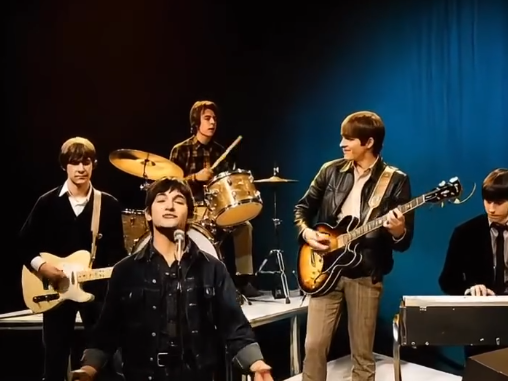
The British band known as The Animals brought a groundbreaking approach to this folk classic. Their 1964 recording introduced electric instruments and a distinctive arrangement that differed markedly from previous versions. The song’s tempo was deliberately moderated, creating a haunting, almost hypnotic atmosphere. The use of electric guitar arpeggios combined with organ melodies and a steady rhythm section provided a textured soundscape that underscored the song’s somber themes.
Lead vocalist Eric Burdon’s delivery was raw and emotionally charged, conveying a sense of entrapment and despair that aligned closely with the song’s narrative. This vocal style contrasted with the more restrained performances typical of folk music at the time, adding a new layer of intensity and immediacy.
Cultural and Musical Impact
Upon release, the song achieved notable commercial success, topping charts in both the United Kingdom and the United States. Its popularity was particularly remarkable given its length and unconventional structure, defying the prevailing norms of radio-friendly singles. This success demonstrated an audience appetite for music that combined traditional storytelling with modern instrumentation and deeper emotional content.
The recording’s impact extended beyond commercial metrics; it influenced the development of genres such as folk rock and psychedelic rock. Musicians and producers began to see the potential in blending folk traditions with electric instruments, opening avenues for experimentation and more complex musical narratives. “The House of the Rising Sun” became a reference point for artists seeking to fuse authenticity with innovation.
Critical Reception and Legacy
Initial critical responses were mixed, with some commentators questioning the song’s suitability for mainstream audiences due to its length and somber mood. However, over time, the recording has been widely recognized as a seminal work that helped redefine the scope and possibilities of rock music.
The song’s ambiguity regarding the nature and symbolism of “the house” itself has contributed to its enduring appeal. Listeners continue to interpret its meaning in diverse ways, whether as a metaphor for personal struggle, a historical reference, or a universal cautionary tale. This openness has allowed the song to remain relevant across different cultural contexts and generations.
Continued Presence in Popular Culture
Decades after its release, “The House of the Rising Sun” retains a prominent position in popular culture. Its distinctive opening chords are instantly recognizable and have been featured in numerous films, television shows, and live performances. The song often serves as an auditory cue for themes of darkness, reflection, or emotional complexity.
For The Animals, the track stands as both a breakthrough and a defining achievement. While it set a high standard against which their subsequent work would be measured, it also secured their place in music history. Few recordings have succeeded in altering the trajectory of a genre so profoundly.
Practical Takeaways for Music Enthusiasts and Creators
The story of “The House of the Rising Sun” offers valuable insights for musicians, historians, and fans alike. It highlights the potential of traditional material to be revitalized through creative reinterpretation, demonstrating how classic narratives can gain new life when paired with innovative musical approaches.
Moreover, it underscores the importance of emotional authenticity in music. The song’s success was not merely due to its arrangement but also to the earnestness conveyed in its performance, reminding creators that connecting with listeners on a genuine emotional level remains crucial.
Conclusion
The transformation of “The House of the Rising Sun” from a centuries-old folk ballad into a landmark rock recording exemplifies the dynamic nature of music as an art form. By bridging past and present, tradition and innovation, The Animals crafted a piece that not only achieved commercial success but also influenced the evolution of popular music. Its lasting presence in cultural memory attests to the power of music to transcend time, conveying stories and emotions that continue to resonate.
The Animals and the British Invasion Context
To fully appreciate the significance of The Animals’ rendition of “The House of the Rising Sun,” it is important to consider the broader musical landscape of the early 1960s. The British Invasion was underway, with bands like The Beatles and The Rolling Stones introducing new styles and sounds to American audiences. The Animals stood out within this movement due to their gritty, blues-influenced style and willingness to tackle darker, more complex themes. Their interpretation of “The House of the Rising Sun” was emblematic of this approach, showing how British bands could reimagine American folk and blues traditions with a fresh, electric energy.
Eric Burdon’s Role and Vocal Style
Eric Burdon’s vocal performance on the track is often cited as a key element in its emotional impact. Unlike many of his contemporaries who favored polished, smooth vocals, Burdon’s voice was rough-edged and expressive, conveying vulnerability and intensity simultaneously. This vocal style helped bridge the gap between traditional folk storytelling and the raw immediacy of rock music. His delivery suggested not just narration but lived experience, inviting listeners into the song’s dark narrative world.
Instrumentation and Arrangement Innovations
The arrangement of “The House of the Rising Sun” was notably sparse yet powerful, emphasizing atmosphere over complexity. The electric guitar arpeggios established a haunting motif that looped throughout the song, creating a sense of inevitability and tension. The organ, played by Alan Price, added layers of melancholy and depth, while the rhythm section maintained a steady, hypnotic pulse. This combination of elements demonstrated how minimalistic arrangements could still evoke rich emotional landscapes, influencing subsequent rock and folk-rock productions.
The Song’s Narrative Flexibility and Interpretations
One reason “The House of the Rising Sun” has remained relevant is its narrative openness. The ambiguity surrounding “the house” allows listeners to project diverse meanings onto the song, whether as a literal place of vice or a metaphor for personal downfall. This flexibility has made the song adaptable across different contexts and genres, with artists from various backgrounds offering their own interpretations. It also encourages listeners to engage critically with the lyrics, reflecting on themes of choice, consequence, and redemption.
Influence on Subsequent Artists and Genres
The Animals’ success with “The House of the Rising Sun” paved the way for other musicians to explore the fusion of folk traditions with electric rock instrumentation. This fusion became a hallmark of the folk-rock movement, exemplified by artists like Bob Dylan, The Byrds, and later, bands involved in the psychedelic and progressive rock scenes. The song’s impact is also evident in the way it inspired artists to prioritize storytelling and emotional depth in their songwriting, expanding what rock music could express.
The Role of Producer and Recording Techniques
Producer Mickie Most played a crucial role in shaping the final sound of “The House of the Rising Sun.” His decision to keep the arrangement relatively simple while emphasizing the moodiness of the performance helped the track stand out. The recording techniques used captured the rawness of the band’s performance without excessive polish, preserving the immediacy and tension that define the song. This approach contrasted with the increasingly elaborate studio productions emerging in the mid-1960s and underscored the power of restraint in music production.
Reception Over Time and Cultural Significance
While initial critical reception was mixed, the song’s stature has grown steadily over the decades. It is now regarded as a classic not only for its musical qualities but also for its cultural resonance. The song’s themes of loss, regret, and warning resonate universally, contributing to its lasting appeal. Its frequent inclusion in film soundtracks and television further cements its role as a cultural touchstone, often used to evoke a mood of introspection or foreboding.
Educational and Historical Perspectives
From an educational standpoint, “The House of the Rising Sun” serves as an excellent case study in musical adaptation and cultural transmission. It demonstrates how traditional material can be reshaped by new generations to reflect contemporary sensibilities while retaining core narratives. Music historians often cite the song as a key example of the folk revival’s influence on rock music, highlighting the interplay between oral traditions and commercial recording.
Lessons for Contemporary Musicians and Listeners
For musicians today, the story of “The House of the Rising Sun” underscores the value of exploring musical roots and embracing authenticity. It encourages artists to look beyond current trends and consider how older material or lesser-known traditions might be reinterpreted in innovative ways. For listeners, the song invites an appreciation of music as a storytelling medium capable of conveying complex emotions and social commentary.
Conclusion: Enduring Impact and Continued Relevance
More than half a century after its release, The Animals’ “The House of the Rising Sun” remains a powerful example of how music can evolve through reinterpretation and emotional depth. Its influence extends beyond a single genre or era, touching on universal themes and inspiring countless artists. As both a historical artifact and a living piece of culture, the song exemplifies the enduring power of music to connect past and present, tradition and innovation.
The Role of Traditional Folk Music in Modern Rock
The transformation of “The House of the Rising Sun” highlights a broader trend in the mid-20th century where traditional folk music served as a vital source of inspiration for emerging rock artists. This melding of old and new underscored a growing appreciation for the roots of popular music. Folk songs, often passed down orally and adapted through generations, contained narratives and melodies that resonated deeply with audiences. Rock musicians found in these songs a wellspring of emotional and thematic material that could be reinterpreted with contemporary sensibilities and instrumentation. This process not only preserved folk traditions but also expanded their reach, introducing younger audiences to stories and sounds that might otherwise have been overlooked.
The Animals’ rendition exemplified this dynamic by demonstrating how a folk ballad could be revitalized without losing its narrative power. This approach encouraged other artists to explore their own musical heritage, often leading to creative fusions across genres. The continued interest in folk-inspired rock reflects an enduring desire for music that connects listeners with a sense of history and shared human experience.
The Importance of Music Production Choices
Production decisions played a significant role in shaping the distinct identity of “The House of the Rising Sun.” Producer Mickie Most’s choice to maintain a relatively straightforward arrangement allowed the emotional intensity of the performance to remain front and center. Rather than layering complex studio effects or multiple overdubs, the recording captured the raw interplay between instruments and vocals. This approach gave the song an immediacy and authenticity that resonated with listeners.
Such production restraint contrasted with the increasing complexity seen in other contemporary recordings, highlighting that sometimes simplicity can be more impactful. The balance between clarity and atmosphere in the song’s production helped to amplify its haunting quality. This serves as a reminder to musicians and producers that thoughtful choices in recording and mixing can significantly influence how a song communicates its message.
The Song’s Place in Film and Media
Over the years, “The House of the Rising Sun” has been featured in various films, television shows, and documentaries, often employed to evoke a particular mood or underscore thematic elements. Its instantly recognizable opening chords and somber tone make it an effective auditory symbol for reflection, melancholy, or forewarning. The song’s frequent use in media has helped to maintain its cultural relevance and introduce it to new audiences.
This presence in visual media also demonstrates how music can function beyond entertainment, contributing to storytelling in multiple artistic forms. By associating the song with specific scenes or narratives, filmmakers and producers tap into its emotional resonance, enhancing the overall impact of their work.
The Animals’ Subsequent Career and Influence
Following the success of “The House of the Rising Sun,” The Animals continued to produce music that blended blues, rock, and folk influences. While none of their later releases matched the monumental impact of this track, their work contributed to the evolving landscape of 1960s rock. The band’s willingness to explore darker themes and incorporate traditional elements paved the way for more adventurous musical explorations by other artists.
Members of The Animals went on to have varied careers, with some pursuing solo work and others collaborating with different musicians. Their collective legacy remains tied to their role in bridging American and British musical traditions, as well as their influence on subsequent generations of rock and blues performers.
Lessons for Music Education and Appreciation
For educators and students of music, “The House of the Rising Sun” offers a rich case study in adaptation, interpretation, and genre evolution. It illustrates how a song’s meaning and impact can change dramatically depending on arrangement, performance style, and cultural context. Studying this song encourages critical listening skills and an understanding of music as a living, evolving art form.
Moreover, it highlights the importance of preserving musical heritage while fostering innovation. Encouraging young musicians to explore traditional material alongside contemporary trends can lead to fresh creative expressions that honor the past while engaging the present.
Final Reflections on Enduring Relevance
The continued popularity and influence of “The House of the Rising Sun” underscore music’s unique ability to transcend time and cultural shifts. Its narrative ambiguity, emotional depth, and musical innovation ensure that it remains meaningful to diverse audiences. As new generations discover the song, it carries forward a tradition of storytelling and artistic reinvention.
Ultimately, The Animals’ recording stands as a testament to the power of music to connect human experiences across eras, reminding us that songs are not static artifacts but dynamic expressions capable of continual renewal and significance.
Leave a Reply