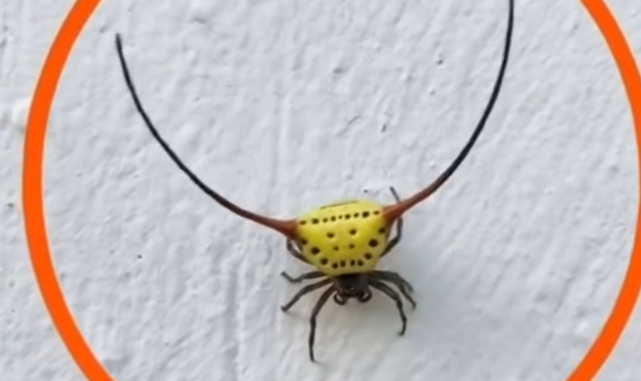
Unexpected encounters with wildlife can transform ordinary spaces into places of wonder and discovery. One such experience involves the spiny orb-weaver, a spider known for its distinctive appearance and intriguing behaviors. Often overlooked or misunderstood due to its unusual look, this fascinating creature offers a glimpse into the complexity and beauty of nature, even in the most familiar environments.
The spiny orb-weaver (genus Gasteracantha) is easily recognizable by its brightly colored, hard, shell-like abdomen adorned with several prominent spines. These spines give the spider a somewhat armored look, which can appear intimidating at first glance. However, this unique morphology serves practical purposes, such as deterring predators and aiding in camouflage within their natural habitat.
Typically found in gardens, woodlands, and even urban areas where vegetation is abundant, spiny orb-weavers construct intricate orb-shaped webs to capture their prey. Their webs are often set up in strategic locations that maximize their chances of catching flying insects, contributing to natural pest control. Despite their somewhat fearsome appearance, these spiders are not harmful to humans and tend to avoid confrontation.
The vivid coloration of the spiny orb-weaver varies among species, ranging from bright yellows and reds to more subdued whites and browns. This coloration can serve multiple roles, such as warning potential predators or blending into the environment. The rigid spines protruding from the abdomen are a distinctive feature that separates them from other orb-weavers, making them a favorite among insect enthusiasts and photographers.
Observing a spiny orb-weaver up close provides an opportunity to appreciate the intricate adaptations that have evolved over millions of years. Their spines are not just decorative but functional, reducing the chance of predation by birds or larger insects. Moreover, their web-building skills are impressive; they can rebuild their webs daily to maintain effectiveness in capturing prey.
Encounters with such creatures can evoke a variety of emotions, from curiosity to apprehension. It is common to react with caution when confronted with unfamiliar insects or arachnids, especially those with striking appearances. However, learning about their role in the ecosystem and their generally harmless nature can transform fear into fascination.
This shift in perspective encourages mindfulness and a deeper connection with the natural world. Recognizing that even small creatures like the spiny orb-weaver contribute to biodiversity and ecological balance can enrich our understanding and appreciation of the spaces we share with wildlife, whether indoors or outdoors.
In urban settings, where natural habitats are often fragmented, finding a spiny orb-weaver can be a reminder of nature’s resilience and adaptability. These spiders are indicators of a healthy environment and can inspire efforts to create more wildlife-friendly spaces by preserving native plants and reducing pesticide use.
In conclusion, the spiny orb-weaver is more than just an unusual visitor; it is a testament to nature’s creativity and complexity. By observing and respecting such creatures, we open ourselves to a broader awareness of the living world around us. Whether in a garage corner or a backyard garden, these spiders embody the subtle connections that link all life forms. Taking the time to notice and learn about them enriches our daily experience and fosters a sense of stewardship for the environment.
The Ecology and Behavior of Spiny Orb-Weavers
Understanding the ecology of spiny orb-weavers provides insight into their role within various ecosystems. These spiders primarily feed on flying insects such as flies, mosquitoes, and moths, making them natural pest controllers. Their webs, often constructed during twilight hours, are strategically placed to intercept these insects during their active periods. Unlike some spiders that rely on ambush tactics, spiny orb-weavers depend on their meticulously woven orb webs to capture prey efficiently. This behavior not only sustains their survival but also benefits surrounding environments by naturally limiting insect populations that might otherwise become nuisances or agricultural pests.
Spiny orb-weavers are generally solitary creatures except during mating seasons. After mating, females typically lay eggs in silken sacs attached near their webs or hidden in foliage. The spiderlings emerge after a few weeks, dispersing by ballooning—releasing silk threads to catch the wind and travel to new locations. This dispersal method helps maintain genetic diversity and colonizes new habitats. The lifespan of these spiders varies by species and environmental conditions but usually spans several months to about a year.
Adaptations That Make Spiny Orb-Weavers Unique
The spiny orb-weaver’s most distinctive characteristic—the spines protruding from its abdomen—has fascinated scientists and nature enthusiasts alike. These spines serve as a defense mechanism against predators, making the spider less palatable or harder to swallow for birds and other insectivores. Additionally, the rigid, armor-like appearance may confuse potential threats by breaking up the spider’s outline, providing camouflage among leaves and branches.
Beyond defense, the bright coloration of many spiny orb-weaver species plays a critical role in their survival. Some researchers suggest that these vivid colors act as warning signals, a phenomenon known as aposematism, which warns predators of potential unpalatability or toxicity, even if the spider itself is harmless. Others posit that the coloration helps the spider blend into the brightly lit flowers or foliage where it builds its web, enhancing concealment.
The combination of physical defenses and behavioral strategies exemplifies how these spiders have evolved over millions of years to occupy a niche that balances visibility for hunting with protection from becoming prey.
The Importance of Spiders in Urban Ecosystems
In urban and suburban environments, spiny orb-weavers and other spiders contribute significantly to ecological balance. Cities often harbor fragmented green spaces, gardens, and parks that serve as vital habitats for various species. Spiders act as natural pest regulators, reducing the need for chemical pesticides that may harm beneficial insects and pollinators.
Moreover, the presence of spiny orb-weavers can indicate a relatively healthy urban ecosystem. Their survival depends on the availability of prey and suitable web-building sites, which correlate with the presence of diverse plant life and minimal pollution. Encouraging the coexistence of spiders and other beneficial arthropods in human-dominated landscapes can support biodiversity and promote sustainable urban living.
Educational Opportunities and Public Perception
Encounters with spiny orb-weavers provide valuable educational moments about the diversity and complexity of arachnids. Unfortunately, spiders often suffer from negative public perception, fueled by misunderstandings and cultural fears. Educational outreach that highlights the ecological benefits and harmlessness of most spider species can help reshape attitudes, fostering respect and curiosity rather than fear.
Natural history museums, community science projects, and school programs increasingly include information about orb-weaver spiders to promote awareness. Photographing and documenting local spider species can engage people of all ages in citizen science, contributing to data collection on species distribution and behavior.
Conservation and Human Impact
While spiny orb-weavers are generally adaptable, they face challenges from habitat loss, pesticide use, and environmental pollution. Gardening practices that eliminate native plants or use chemical treatments can reduce the availability of prey and suitable web sites, indirectly affecting spider populations.
Conservation efforts that emphasize the preservation of native vegetation, reduction of pesticides, and the creation of wildlife-friendly gardens can support healthy populations of orb-weavers and other beneficial arthropods. Encouraging natural pest control methods and educating the public about the ecological roles of spiders contribute to broader biodiversity conservation goals.
Practical Tips for Living Harmoniously with Spiny Orb-Weavers
For those who discover a spiny orb-weaver in their home or garden, understanding how to coexist peacefully is key. These spiders are non-aggressive and pose minimal risk to humans. Avoiding unnecessary disturbance to their webs and habitats helps maintain their ecological function.
If a spider’s presence indoors is unwanted, gently relocating it outdoors rather than exterminating it respects both the creature and the environment. Keeping windows and doors sealed can prevent accidental indoor entry, while providing outdoor shelters such as dense shrubs or garden corners offers ideal habitats.
For gardeners, planting a variety of native flowering plants supports a diverse insect community, which in turn sustains orb-weaver populations. Minimizing chemical pesticide use preserves the delicate balance of predator-prey relationships essential for healthy ecosystems.
Reflecting on Our Relationship with Nature
The encounter with a spiny orb-weaver in a garage or backyard is a microcosm of the broader relationship humans share with nature. It challenges us to reconsider fears and prejudices, inviting a more thoughtful, informed appreciation of the living world.
By embracing curiosity and learning about the creatures that inhabit our immediate surroundings, we deepen our connection to the environment and foster stewardship. These small moments of discovery remind us that even within human-altered landscapes, the intricate dance of life continues, offering beauty, complexity, and lessons in coexistence.
In this light, the spiny orb-weaver is not merely an unusual visitor but a symbol of resilience and wonder—a reminder that nature’s artistry exists everywhere, waiting for those willing to look closely and listen patiently.
Spiny Orb-Weavers in Cultural Contexts and Folklore
Throughout history, spiders have held varied symbolic meanings across cultures, ranging from creativity and patience to fear and superstition. While the spiny orb-weaver is a less commonly referenced species in folklore compared to other spiders, its distinctive appearance has occasionally captured the imagination of those who encounter it. In some regions, the spider’s spiny form and bright colors have led to local nicknames and stories that highlight its unique traits. Understanding these cultural perspectives can enrich our appreciation by recognizing how humans have historically related to and interpreted the natural world.
The Role of Spiny Orb-Weavers in Scientific Research
Spiny orb-weavers have also attracted the interest of scientists studying arachnid morphology, behavior, and ecology. Their elaborate spines and coloration provide an excellent model for exploring evolutionary adaptations, predator-prey interactions, and signaling mechanisms within ecosystems. Research on their web-building techniques contributes to broader knowledge about silk production and material properties, which has potential applications in biomimetic engineering and materials science. By studying these spiders, scientists gain insights into biodiversity and evolutionary processes that extend beyond a single species.
Challenges in Studying Orb-Weaving Spiders
Despite their ecological importance, studying spiny orb-weavers presents challenges due to their often small size, cryptic habits, and seasonal life cycles. Field researchers must carefully observe and document spiders in diverse habitats to understand population dynamics and environmental influences. Urban environments add complexity by introducing variables such as habitat fragmentation, pollution, and human disturbances. Ongoing citizen science initiatives help bridge these gaps by involving local communities in data collection, thereby expanding the scope and scale of research.
Encouraging Citizen Science and Community Engagement
For individuals interested in contributing to scientific understanding, observing and reporting sightings of spiny orb-weavers can be a rewarding activity. Many online platforms and apps enable users to upload photographs and location data, aiding researchers in tracking species distribution and behavior patterns. Community science projects also foster environmental awareness and a sense of connection to local biodiversity. Engaging with such initiatives nurtures curiosity and empowers people to participate actively in conservation efforts.
The Impact of Climate Change on Spiny Orb-Weaver Populations
Like many species, spiny orb-weavers may be affected by changing climate conditions, including shifts in temperature, precipitation patterns, and seasonal cycles. These environmental changes can influence the availability of prey, suitable habitats, and breeding periods. While some orb-weaver species may adapt or expand their range, others might face increased stress or decline. Monitoring these trends is important for understanding broader ecological impacts and implementing adaptive conservation strategies.
Integrating Spiny Orb-Weavers into Sustainable Gardening Practices
For gardeners and homeowners, incorporating spiny orb-weavers into landscape planning supports ecological health. Choosing plants that attract a diverse array of insects provides ample food sources for these spiders. Avoiding broad-spectrum pesticides preserves beneficial arthropods and fosters natural pest control. Creating layered vegetation with shrubs, flowers, and trees offers ideal web-building sites and shelter. Such practices contribute to resilient ecosystems that benefit both wildlife and human well-being.
Reflecting on the Psychological Benefits of Nature Encounters
Encounters with creatures like the spiny orb-weaver can also have psychological benefits. Observing the intricate details of a spider’s body or web can promote mindfulness and reduce stress by encouraging present-moment awareness. These experiences may inspire awe and curiosity, emotions linked to improved mental health and well-being. By fostering positive interactions with nature, individuals can cultivate a deeper sense of connection and responsibility toward the environment.
Summary and Final Reflections
The spiny orb-weaver is a remarkable example of nature’s diversity and ingenuity. Beyond its striking appearance, this spider plays valuable ecological roles and offers opportunities for education, scientific inquiry, and personal enrichment. Recognizing its place within cultural, environmental, and psychological contexts enhances our understanding and appreciation. As we continue to share spaces with such creatures, embracing curiosity and respect helps foster coexistence and stewardship. Ultimately, the spiny orb-weaver invites us to look more closely at the natural world and discover the extraordinary within the ordinary.
Leave a Reply