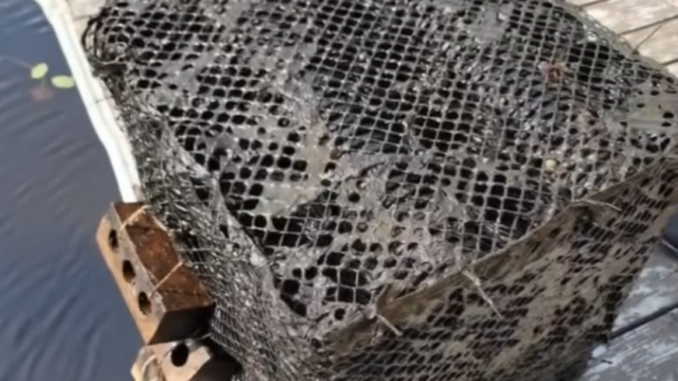
Fishing by lakes and rivers has long been a cherished pastime, connecting people with nature and providing moments of tranquility and recreation. Beyond the surface calm of these waters lies a complex and vibrant ecosystem that supports a variety of aquatic life. Among the many elements that contribute to the health and sustainability of freshwater environments are artificial fish habitats, commonly referred to as fish cribs. These structures, designed to mimic natural shelters for fish, play a significant role in enhancing fish populations and supporting conservation efforts.
Understanding Fish Habitats in Freshwater Environments
Fish require specific conditions to thrive, including shelter from predators, abundant food sources, and suitable breeding grounds. Natural underwater structures such as submerged logs, rocks, and aquatic vegetation provide these essentials. However, environmental changes such as shoreline development, pollution, and overfishing have reduced the availability of natural habitats in many lakes and rivers. This loss poses challenges to fish survival, particularly for juvenile fish that rely on cover to avoid predators.
The Concept and Origins of Artificial Fish Shelters
Artificial fish habitats emerged as a response to the need for supporting fish populations amid changing environmental conditions. The idea is straightforward: create underwater structures that offer protection and promote the growth of aquatic life that serves as food for fish. These shelters often incorporate natural materials like wood and stone arranged to form complex hiding places.
Historical records indicate that the practice of building such refuges gained traction in the mid-20th century. As recreational fishing grew in popularity, fisheries managers and anglers alike sought ways to maintain sustainable fish populations. The early versions of fish cribs were relatively simple, often constructed from readily available materials arranged to form a sheltered underwater environment.
Design and Functionality of Fish Cribs
The design of fish cribs varies depending on the target species and the specific ecosystem. Typically, they aim to replicate the complexity of natural habitats by providing nooks and crevices where young fish can hide. The structures also encourage the growth of algae and invertebrates, which constitute the base of the aquatic food chain, supporting fish nutrition.
By offering protection from predators and fostering a rich food environment, fish cribs enhance the survival rates of juvenile fish. This, in turn, contributes to healthier fish populations, benefiting both the ecosystem and fishing communities.
The Role of Fish Cribs in Fishing Communities
Fishing holds cultural and social significance in many regions, often passed down through generations. The creation and maintenance of fish cribs have become embedded in this tradition. Families and local groups collaborate to build and deploy these habitats, viewing them as investments in the future of their fishing areas.
Community involvement in constructing fish cribs fosters stewardship of local water bodies. It also promotes knowledge sharing about aquatic ecology and sustainable fishing practices, strengthening the bond between people and their natural surroundings.
Fish Cribs and Environmental Conservation
Beyond individual fishing benefits, fish cribs have gained recognition as practical conservation tools. Their low-cost and low-impact nature make them accessible methods for enhancing fish habitats without introducing significant environmental disturbance.
These structures address challenges such as habitat degradation and population declines by providing refuges that support biodiversity. In some cases, fish cribs have been integrated into broader conservation programs aiming to restore aquatic ecosystems and improve water quality.
Modern Innovations and Sustainability Considerations
Contemporary fish cribs often utilize more durable and environmentally friendly materials like PVC and synthetic mesh. These innovations extend the lifespan of the habitats and reduce potential ecological risks associated with decay or pollution from natural materials.
Careful placement and design considerations ensure that fish cribs do not interfere with natural water flow or navigation. Ongoing monitoring and community engagement remain essential to maximize the benefits of these structures.
Ecological Impact and Long-Term Benefits
The presence of fish cribs can lead to increased fish density and diversity, contributing to the overall resilience of freshwater ecosystems. By supporting juvenile fish survival, these habitats help sustain populations that serve as food sources for larger predators and contribute to nutrient cycling within aquatic systems.
Additionally, thriving fish populations supported by fish cribs can enhance recreational fishing opportunities, which in turn can have positive economic and social impacts on local communities.
Practical Guidance for Anglers and Conservationists
For those interested in contributing to freshwater habitat restoration, constructing or supporting fish crib projects offers a tangible way to make a difference. It requires understanding local regulations, selecting appropriate materials, and situating habitats in suitable locations.
Collaboration with fisheries experts and environmental organizations can help ensure that fish cribs are effective and environmentally responsible. Education about the ecological roles of these structures can also promote broader support for sustainable fishing and conservation efforts.
Reflecting on the Underwater World
Next time you find yourself near a lake or river, casting your line or simply enjoying the scenery, consider the unseen world beneath the surface. The fish cribs hidden underwater are more than just fishing aids; they represent a blend of tradition, ecological understanding, and community effort aimed at preserving freshwater ecosystems.
Their continued use and development highlight the importance of balancing human recreation with environmental stewardship. Through such measures, we can help ensure that freshwater habitats remain vibrant and productive for future generations to enjoy both the natural beauty and the fishing opportunities they provide.
Community-Led Monitoring and Adaptive Management
An important aspect of maximizing the benefits of fish cribs involves ongoing monitoring and adaptive management by local communities and fisheries professionals. Monitoring helps track the effectiveness of fish cribs in improving fish populations and ecosystem health over time. It can include activities such as fish population surveys, habitat assessments, and water quality measurements. Through these efforts, communities gain valuable data that inform whether modifications to crib design or placement are needed to optimize outcomes.
Adaptive management is a flexible approach that incorporates new information and changing environmental conditions into decision-making. For instance, if monitoring reveals that certain materials deteriorate too quickly or that cribs are attracting unintended species, adjustments can be made. This iterative process ensures fish cribs continue to serve their intended ecological functions effectively while minimizing potential negative impacts.
Educational Outreach and Public Engagement
Fish cribs also serve as educational tools that raise public awareness about freshwater ecosystems and conservation challenges. Many community groups and environmental organizations use fish crib projects as opportunities to engage local residents, schools, and youth programs. Hands-on activities such as crib building workshops and guided lake tours provide experiential learning about aquatic habitats, fish biology, and the importance of sustainable fishing.
This educational outreach fosters a conservation ethic by connecting people with their local environment and empowering them to participate actively in protecting it. By understanding the role of fish cribs and broader ecosystem dynamics, individuals can make informed choices that support water quality, habitat preservation, and responsible recreation.
Economic and Social Dimensions of Fish Cribs
Beyond ecological benefits, fish cribs contribute to the social and economic vitality of communities reliant on freshwater resources. Healthy fish populations supported by these habitats enhance recreational fishing experiences, which in turn attract tourism and support local businesses such as bait shops, guides, and lodging.
Fishing traditions that include the use of fish cribs often strengthen community identity and social cohesion. Shared projects and collective stewardship activities promote cooperation and intergenerational knowledge transfer. In this way, fish cribs are not only ecological tools but also cultural assets that enrich community life.
Challenges and Considerations in Fish Crib Implementation
Despite their advantages, fish cribs are not without challenges. One concern is the potential for cribs to alter natural habitat dynamics if not properly designed or placed. For example, overly dense crib clusters might disrupt natural fish movement or concentrate fish in ways that increase vulnerability to predation or overfishing.
Environmental conditions such as water flow, sedimentation rates, and seasonal changes must be carefully considered to avoid unintended consequences. Additionally, materials used in construction should be non-toxic and durable to prevent pollution or habitat degradation.
Regulatory frameworks governing the installation of fish cribs vary by region and often require permits or coordination with environmental agencies. Compliance with these regulations ensures that crib deployment aligns with broader conservation goals and legal standards.
Future Directions and Innovations
Advances in materials science and ecological research continue to influence the design of fish cribs. Scientists and engineers are exploring biodegradable materials that provide effective shelter while minimizing long-term environmental impacts. Incorporation of sensors and monitoring technology into cribs allows real-time data collection on fish activity and habitat conditions, enhancing adaptive management capabilities.
Collaborative research involving anglers, conservationists, and academic institutions is expanding understanding of how fish cribs interact with complex freshwater ecosystems. This knowledge informs best practices and supports the integration of fish cribs into comprehensive watershed management plans.
Global Perspectives on Artificial Fish Habitats
While much of the documented history and practice of fish cribs originates from North America, similar concepts have been applied worldwide. In various countries, artificial habitats are used to support native fish species and sustain fisheries important for food security and livelihoods.
Cultural adaptations reflect local environmental conditions and fishing traditions. For example, in some regions, bamboo structures or coral reefs serve as artificial shelters. Understanding these diverse approaches can inspire cross-cultural learning and innovation in habitat restoration efforts.
Reader Takeaways
The hidden world beneath the water’s surface is a dynamic environment where fish cribs play a vital role in sustaining aquatic life. These structures exemplify how simple, community-driven solutions can address complex ecological challenges. For anglers, conservationists, and nature enthusiasts, supporting or participating in fish crib projects offers a meaningful way to contribute to ecosystem health and preserve fishing heritage.
By appreciating the interconnectedness of habitat, wildlife, and human activity, we foster a stewardship mindset essential for the long-term vitality of freshwater resources. Whether through education, volunteerism, or informed recreation, everyone can help ensure that the legacy of fish cribs—and the ecosystems they support—endures for generations to come.
Integration of Fish Cribs into Broader Aquatic Habitat Restoration Efforts
Fish cribs, while effective on their own, are increasingly being integrated into larger habitat restoration projects that target multiple aspects of aquatic ecosystem health. These comprehensive efforts often combine fish cribs with shoreline stabilization, wetland restoration, and water quality improvement initiatives. By addressing habitat complexity both above and below the waterline, such integrated approaches create more resilient ecosystems capable of supporting diverse aquatic communities.
For example, restoring native aquatic vegetation alongside installing fish cribs can enhance shelter and food resources for fish at different life stages. Similarly, efforts to reduce nutrient runoff and sedimentation improve water clarity and quality, which benefits the organisms living within and around the fish cribs. This holistic perspective recognizes that fish cribs function most effectively when supported by a healthy and balanced environment.
The Role of Citizen Science in Fish Crib Projects
Citizen science has become an important component of monitoring and managing fish crib effectiveness. Enthusiastic anglers, local residents, and volunteers often collaborate with scientists and resource managers to collect data on fish populations and habitat conditions. Using simple tools such as underwater cameras, nets, and mobile apps, community members contribute valuable information that can guide adaptive management.
This participatory approach not only expands monitoring capacity but also educates participants about aquatic ecosystems. Engaging the public in data collection fosters a deeper connection to local water bodies and promotes stewardship behaviors. As a result, citizen science initiatives help ensure that fish crib projects remain responsive to changing environmental conditions and community needs.
Considerations for Climate Change and Fish Habitat
Climate change presents emerging challenges for freshwater ecosystems, including altered temperature regimes, changes in precipitation patterns, and increased frequency of extreme weather events. These changes can affect fish habitat availability, water quality, and food web dynamics.
Fish cribs may play a role in helping fish populations adapt by providing essential shelter and refuge during periods of environmental stress. However, their design and placement may need to be reconsidered to remain effective under shifting climatic conditions. For instance, structures may need to accommodate changes in water levels or temperature-sensitive species.
Incorporating climate resilience into fish crib projects involves ongoing research and flexible management strategies. By anticipating future environmental changes, resource managers and communities can enhance the long-term sustainability of these habitats.
Ethical and Environmental Responsibility in Fish Crib Use
While fish cribs provide ecological and social benefits, ethical considerations around their use and management are important. Responsible deployment requires assessing potential impacts on native species and avoiding unintended harm, such as facilitating invasive species colonization or disrupting natural predator-prey relationships.
Environmental responsibility also includes ensuring materials used are safe and biodegradable when possible, and that cribs do not introduce pollutants or hazards to aquatic environments. Regular maintenance and removal of degraded structures prevent debris accumulation and habitat degradation.
Engaging stakeholders in transparent decision-making processes helps balance human interests with ecosystem health. This inclusive approach promotes ethical stewardship and enhances the legitimacy of fish crib projects.
Opportunities for Career and Community Involvement
The field of aquatic habitat restoration, including work with fish cribs, offers diverse career and volunteer opportunities. Professionals such as fisheries biologists, environmental engineers, and conservation educators contribute expertise to designing, implementing, and monitoring fish crib projects.
For community members, volunteering with local watershed organizations or participating in fish crib construction workshops provides hands-on experience and a chance to learn about freshwater ecology. Educational programs and internships may also be available for students interested in pursuing environmental science or natural resource management.
By engaging in these activities, individuals can develop skills and knowledge that support both personal growth and the health of aquatic ecosystems.
Summary and Future Outlook
Fish cribs represent a practical, community-driven approach to supporting freshwater fish populations and ecosystem health. Their integration into broader habitat restoration, combined with advances in materials and monitoring technologies, continues to enhance their effectiveness.
As environmental challenges evolve, adaptive management, ethical considerations, and public engagement will remain central to the success of fish crib initiatives. Embracing these principles ensures that fish cribs not only support sustainable fishing but also contribute meaningfully to the conservation of freshwater habitats for generations to come.
Readers are encouraged to explore local opportunities to learn about or participate in fish crib projects, fostering a closer connection to the aquatic environments that enrich our communities and recreation.
Leave a Reply