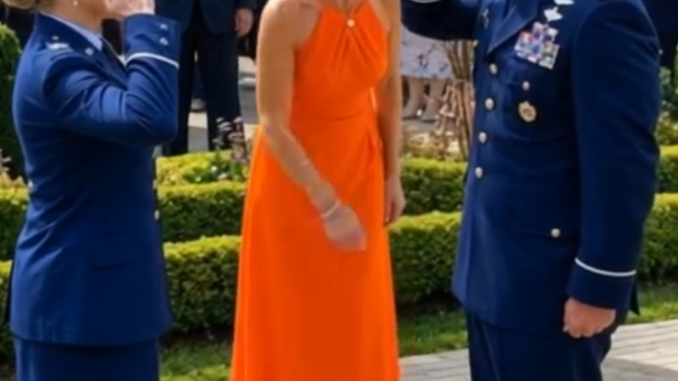
Military promotion ceremonies are significant milestones in a service member’s career, marking dedication, sacrifice, and achievement. While the spotlight naturally falls on the individual soldier, these events also reflect the broader community of support that stands behind them. Families, partners, and loved ones contribute in essential ways, often without public acknowledgment, yet their role is crucial in the journey of every military professional.
Understanding the Role of Support Systems in Military Life
Military life is unique and demanding, characterized by challenges that extend beyond the battlefield. Deployments, relocations, and the pressures of service create a complex environment for both service members and their families. The emotional and logistical support provided by partners and relatives often forms the backbone that enables soldiers to focus on their duties.
These support systems help maintain stability during times of uncertainty. Whether managing household responsibilities alone during a deployment or providing encouragement during difficult assignments, the contributions of loved ones are vital. Their resilience and commitment often mirror the values celebrated in the military: loyalty, strength, and perseverance.
The Dynamics of Recognition at Ceremonies
Promotion ceremonies traditionally honor the achievements of the individual soldier. However, over time, the military community has increasingly recognized that these accomplishments are rarely solitary. A growing awareness has led to formal acknowledgments of families and partners during such events.
This recognition serves multiple purposes. It validates the sacrifices made by those supporting the service member, fosters a sense of shared pride, and reinforces the interconnectedness of military life. When commanding officers take moments to salute or acknowledge a soldier’s family or partner, it symbolizes an understanding that success in the military is often a collective effort.
Navigating Family Relationships and Military Expectations
Relationships within military families can be complex. Differing perspectives on support, loyalty, and responsibility sometimes lead to tension, especially when public recognition is involved. Family members may have contrasting views about the roles and contributions of partners, which can surface during formal occasions.
Despite potential conflicts, the core element remains mutual respect. Recognizing the importance of all individuals who contribute to a soldier’s well-being helps bridge divides. Encouraging open communication and empathy within families fosters healthier relationships and strengthens the overall support network.
The Impact of Leadership Acknowledgment
When leaders within the military openly honor the efforts of families and partners, it sets a powerful example. Such gestures can shift the culture toward greater inclusivity and appreciation. A commanding officer’s salute or mention of a soldier’s support system sends a message that these contributions are valued and integral to the mission’s success.
This kind of recognition can also empower partners and families, offering validation that their sacrifices do not go unnoticed. It reinforces the bond between the military institution and the communities it serves, promoting unity and shared purpose.
Balancing Public Perception and Personal Realities
Public ceremonies often present a polished image of military life, emphasizing honor and achievement. However, beneath the surface, personal relationships and challenges exist that shape the experiences of service members.
Acknowledging the complexities behind the scenes encourages a more nuanced understanding of military life. It invites audiences to appreciate the human dimensions of service, including the emotional labor and commitment of those who stand beside the uniformed personnel.
Lessons for Military Communities and Beyond
The evolving recognition of families and partners during military events offers broader lessons about support and acknowledgment in any demanding profession. Valuing the contributions of those behind the scenes fosters stronger communities and healthier interpersonal dynamics.
Encouraging appreciation for support networks can lead to increased morale, improved mental health, and a more cohesive environment. Whether in the military or civilian sectors, recognizing the interconnectedness of success helps build resilient and compassionate communities.
Moving Forward: Continuing the Conversation
As military culture continues to develop, conversations about the role of families and partners remain essential. Sharing stories, highlighting diverse experiences, and promoting inclusive practices contribute to ongoing progress.
Promotion ceremonies and similar events provide opportunities to celebrate not only individual achievements but also the collective effort that enables those achievements. By embracing this broader perspective, the military community honors the full spectrum of dedication and sacrifice involved in service.
In summary, while promotion ceremonies primarily celebrate the service member, they also serve as a reminder of the vital support provided by families and partners. Recognizing this interconnectedness enriches the meaning of these occasions and underscores the shared journey of those who serve and those who support them.
The Importance of Emotional Resilience in Military Partnerships
Military life demands not only physical endurance from service members but also emotional resilience from their partners and families. The ongoing uncertainty, extended separations, and frequent relocations require a deep well of strength and adaptability. Emotional resilience enables families to navigate these challenges without losing cohesion or support for their loved one in uniform.
Building and maintaining emotional resilience involves developing communication skills, cultivating patience, and establishing reliable support networks outside the immediate family. Many military communities offer resources such as counseling services, peer support groups, and family readiness programs designed to bolster mental health and relational well-being. These tools help partners and families sustain their own health and, by extension, support the service member more effectively.
Moreover, resilience is not static; it grows through experience and shared challenges. Recognizing the emotional labor involved in military partnerships helps foster empathy and appreciation, both within the family unit and among the broader military community.
The Role of Community Support in Military Life
Beyond the immediate family, the wider military community plays a vital role in supporting service members and their loved ones. This community includes fellow service members, veterans, military support organizations, and local civilian groups. Each contributes in unique ways, from providing practical assistance during deployments to offering social connections that alleviate feelings of isolation.
Community events, such as promotion ceremonies, often serve as focal points for this collective support. They create spaces where shared experiences can be acknowledged, and solidarity reinforced. These gatherings also help normalize the challenges faced by military families, reducing stigma around seeking help and encouraging open dialogue.
Effective community support requires intentional effort to be inclusive and responsive to diverse family structures and cultural backgrounds. By embracing diversity and promoting accessibility, military communities strengthen their capacity to support all members.
Understanding the Impact of Military Culture on Family Dynamics
Military culture, with its emphasis on discipline, hierarchy, and mission focus, influences family dynamics in distinct ways. The values instilled in service members often permeate their home life, shaping communication styles, decision-making, and conflict resolution approaches.
At times, these cultural elements can create friction, especially when family members struggle to reconcile military expectations with civilian norms. For partners not in uniform, understanding military culture can be challenging but is essential for fostering mutual respect and effective collaboration.
Educational programs and resources that explain military customs, language, and operational realities can bridge gaps in understanding. Such initiatives empower families to participate more fully in the military lifestyle and advocate effectively for their needs.
Navigating Public and Private Roles
Military promotion ceremonies and other public events highlight the achievements of service members, but they also bring private family dynamics into the public eye. Balancing these public and private roles requires sensitivity from all involved.
Partners and families must often manage their own emotions while supporting the service member’s public recognition. This balancing act can be difficult, especially when past conflicts or misunderstandings exist within the family.
Leadership within the military can facilitate this process by fostering an environment of respect and inclusivity during ceremonies. Recognizing the contributions of all family members, regardless of their background or relationship status, helps create a welcoming atmosphere that honors both public achievement and private support.
The Legacy of Recognition: Building a Culture of Inclusivity
The gesture of a commanding officer saluting a service member’s partner, as described in the source story, symbolizes a broader cultural shift toward inclusivity and recognition in the military. This legacy encourages future leaders to value the interconnected roles of soldiers and their support systems.
Such recognition has implications beyond individual ceremonies. It influences policy development, resource allocation, and the overall climate within military organizations. By embedding appreciation for families and partners into institutional practices, the military can enhance retention, morale, and operational effectiveness.
For partners and families, this evolving culture offers a sense of belonging and validation that can improve mental health and relationship satisfaction. It reinforces the idea that their sacrifices are integral to the mission and worthy of honor.
Practical Takeaways for Military Families and Communities
- Communicate Openly: Maintaining honest and empathetic communication within families helps address misunderstandings and strengthens bonds.
- Seek Support: Utilizing available resources such as counseling, support groups, and community programs can alleviate stress and build resilience.
- Educate Yourself: Understanding military culture and expectations enhances cooperation and mutual respect.
- Advocate for Recognition: Encouraging inclusive practices in ceremonies and military culture promotes broader acknowledgment of family contributions.
- Foster Community Connections: Building relationships within the military community provides emotional and practical support.
- Embrace Flexibility: Adaptability to changing circumstances is essential for navigating the unpredictable nature of military life.
Conclusion
The journey of a military service member is deeply intertwined with the experiences of their partners and families. Recognition at promotion ceremonies and other official events, while symbolically important, is just one aspect of honoring this shared commitment. By appreciating the emotional resilience, community support, cultural understanding, and ongoing efforts to foster inclusivity, military communities can better support all members.
This comprehensive approach not only strengthens individual relationships but also enhances the overall effectiveness and cohesion of the military institution. As society continues to evolve, embracing these values ensures that the sacrifices of service members and their loved ones are honored in both word and deed.
The Evolution of Military Family Support Policies
Over the decades, military institutions worldwide have recognized the need to support families and partners more comprehensively. Early military eras often overlooked the unique challenges faced by those connected to service members, focusing primarily on the individual in uniform. However, as understanding of the holistic nature of military life has grown, so too have policies aimed at assisting families.
Today, many armed forces have established family readiness programs, counseling services, and financial assistance initiatives designed to ease the burdens of military life on loved ones. These programs provide education on coping strategies, help navigate relocations, and offer community-building opportunities. Such institutional support acknowledges that a resilient family unit contributes to the overall mission readiness and well-being of service members.
The Role of Technology in Maintaining Connections
Modern technology has transformed the way military families maintain relationships during periods of separation. Video calls, instant messaging, and social media platforms enable more frequent and immediate communication, helping to bridge physical distances. These tools support emotional connection and provide a sense of normalcy amid the disruptions caused by deployments or relocations.
While technology offers significant benefits, it also presents challenges such as managing expectations and privacy concerns. Families and service members alike must navigate these complexities thoughtfully to preserve trust and emotional health. Training and resources that promote effective digital communication are increasingly incorporated into military family support programs.
The Importance of Financial Literacy and Planning
Financial stability is a critical aspect of supporting military families. Frequent moves, changes in income, and the unpredictability of deployments can complicate household budgeting and long-term planning. Military support organizations often provide financial literacy education tailored to these unique circumstances.
Understanding benefits, managing expenses, and planning for future needs empower families to handle the economic aspects of military life more confidently. Sound financial management reduces stress and allows partners to focus more fully on emotional and logistical support roles.
Promoting Mental Health Awareness and Reducing Stigma
Mental health remains a vital component of military family well-being. The stresses of service, including exposure to traumatic events and extended separations, can affect both service members and their loved ones. Recognizing this, military communities have increasingly prioritized mental health awareness and support.
Efforts to reduce stigma associated with seeking help encourage individuals to access counseling and peer support without fear of judgment. Mental health resources are often integrated into family readiness programs, ensuring that partners have access to professional assistance when needed. This holistic approach contributes to stronger, more resilient families.
The Role of Education and Career Support for Military Partners
Military families frequently face challenges related to education and employment due to relocations and the demands of military life. Partners may experience disruptions in their careers or education, which can impact family stability and personal fulfillment.
Recognizing this, many military organizations and communities offer programs aimed at enhancing educational opportunities and career development for partners. These initiatives include scholarship programs, job placement services, and flexible learning options. Supporting the aspirations and growth of military partners fosters greater independence and satisfaction, indirectly benefiting the service member.
Preserving Legacy and Honoring Service Beyond the Individual
The legacy of military service extends beyond the individual to encompass families and communities. Ceremonies and public acknowledgments serve as reminders of this collective contribution. Memorials, historical documentation, and storytelling initiatives help preserve the experiences and sacrifices of military families across generations.
By valuing and recording these narratives, military institutions and society at large honor the full spectrum of service. This preservation fosters a deeper appreciation for the interconnectedness of military life and promotes cultural continuity within the armed forces.
Reader Takeaways
- Recognize that military service is a shared journey involving both the service member and their support network.
- Understand that institutional support for families is an evolving field, with policies and programs aimed at addressing diverse needs.
- Appreciate the role of modern technology in maintaining relationships and the importance of managing its challenges.
- Acknowledge the significance of financial literacy and mental health awareness in fostering family resilience.
- Support educational and career opportunities for military partners as part of holistic family well-being.
- Value the preservation of military family legacies as a means to honor collective sacrifice and strengthen community identity.
By embracing these insights, readers can contribute to a more informed and compassionate perspective on military life, recognizing the vital roles played by all who serve and support them.
Leave a Reply