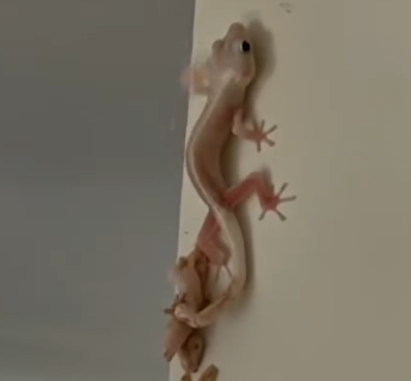
Unexpected substances appearing on interior walls can be puzzling and sometimes concerning for homeowners and renters alike. One such curious phenomenon is the appearance of pink foam-like material on walls, which can raise questions about its origin, safety, and potential implications for the home environment. This article explores possible causes, safe ways to handle such discoveries, and practical advice to address and prevent similar situations.
Common Scenarios of Pink Foam Appearance
Finding an unfamiliar foam-like substance on a wall can be startling, especially when its origin is unclear. This pinkish, sometimes crunchy material might be encountered in kitchens, basements, or near windows. Its texture can vary from soft and spongy to firm and brittle, and its size may range from a small patch to an elongated shape several centimeters long.
Such occurrences often catch residents off guard, prompting concerns about mold, pests, chemical leaks, or structural problems. Understanding the typical scenarios where pink foam might appear can help demystify the situation and guide appropriate responses.
Expanding Foam Insulation: A Likely Culprit
One of the most common explanations for pink foam on walls is expanding foam insulation. This material is widely used in construction and home repairs to fill gaps, seal cracks, and improve energy efficiency. It often comes in a liquid form that expands and hardens upon application, creating an airtight seal.
Over time, foam insulation can sometimes protrude through small cracks or seams in walls, especially if the original application was imperfect or if the building materials have shifted. The foam may discolor from white or yellow to pink due to additives, exposure to sunlight, or aging. This type of foam is generally inert but can appear unusual when it unexpectedly surfaces inside the home.
Pest Activity and Nesting Materials
In some instances, pink foam-like substances may be associated with insect or pest activity. Certain insects, such as termites, ants, or wasps, create protective nests or egg casings that might resemble foam. These nests can sometimes have a pinkish hue depending on the species and environmental factors.
If the foam seems to be related to a small hole or crack and is accompanied by other signs of insects—such as small holes in wood, droppings, or faint noises—then pest inspection is advisable. Professional pest control services can accurately identify and address infestations, ensuring the home remains safe and comfortable.
Mold and Fungal Growth Considerations
While less common, mold or fungal growth can occasionally present as foam-like patches with various colors, including pink. Certain fungal species produce slimy or foamy textures as part of their growth cycle, especially in damp or poorly ventilated areas.
If the pink foam is accompanied by a musty odor, visible moisture, or other signs of water damage, it is important to investigate mold as a potential cause. Mold can affect indoor air quality and health, so identifying and remediating mold growth promptly is essential. Consulting environmental or indoor air quality professionals can help determine the presence of mold and recommend treatment options.
Assessing and Documenting the Situation
When encountering unfamiliar substances like pink foam on walls, safety and documentation are key first steps. Avoid direct contact with the material until its nature is confirmed, as it could contain irritants, allergens, or contaminants.
Photographing the foam from multiple angles and noting its location and size can assist in communication with landlords, maintenance personnel, or professionals. Observing the surrounding area for cracks, moisture, or other abnormalities can provide clues to the foam’s origin. Keeping a record of any changes or recurrence is also helpful for ongoing assessment.
Engaging Property Managers and Professionals
For renters, notifying the landlord or property management team is an important step. Providing clear information and photographs can facilitate timely inspection and remediation. Property owners may arrange for maintenance staff or contractors to evaluate the situation and take appropriate action.
If the foam persists, spreads, or raises health concerns, engaging licensed professionals such as building inspectors, pest control experts, or environmental consultants is recommended. These specialists have the tools and expertise to identify the substance accurately and advise on safe removal or repair.
Safe Removal and Cleanup Practices
If removal of the foam is necessary, it should be done cautiously. Wearing gloves and protective gear can prevent skin irritation or allergic reactions. Using appropriate cleaning agents and tools, such as disinfectant wipes or mild detergents, can help eliminate residue without damaging the wall surface.
In cases where the foam is suspected to contain mold or chemical components, professional remediation is advisable to avoid exposure to hazardous materials. Proper ventilation during and after cleaning also supports indoor air quality.
Preventive Measures to Avoid Recurrence
To minimize the likelihood of similar incidents, homeowners and renters can take several preventive actions. Regular inspection of walls, especially around windows, doors, and utility penetrations, can identify early signs of damage or sealant failure.
Ensuring proper ventilation and moisture control reduces the risk of mold growth and pest attraction. Using quality materials and professional installation for insulation and repairs supports long-term structural integrity.
When undertaking DIY projects, following manufacturer instructions for expanding foam products and avoiding over-application helps prevent unwanted protrusions.
Understanding Building Materials and Home Maintenance
Knowledge about common building materials, such as expanding foam insulation, paints, and sealants, empowers residents to better interpret unusual occurrences. Awareness of typical wear patterns and aging effects aids in distinguishing between harmless anomalies and issues requiring intervention.
Regular maintenance schedules and prompt attention to leaks, cracks, or drafts contribute to a healthier and more comfortable living environment. Consulting with experienced contractors or home inspectors can provide insights tailored to specific properties.
Conclusion: Managing Unusual Wall Substances with Confidence
Discovering pink foam on interior walls can be disconcerting, but understanding potential causes and appropriate responses helps manage the situation effectively. Expanding foam insulation, pest activity, and mold growth represent common explanations, each with distinct implications and solutions.
Prioritizing safety, documenting observations, and engaging relevant professionals ensures that the issue is addressed responsibly. Through preventive maintenance and informed awareness, homeowners and renters can maintain their living spaces in good condition and reduce surprises that challenge peace of mind.
Environmental and Health Implications of Unknown Wall Substances
When encountering any unidentified material on interior walls, it is important to consider potential environmental and health implications. Materials such as expanding foam insulation are generally inert and non-toxic once cured, but substances like mold or pest residues can pose health risks, especially to individuals with allergies, asthma, or compromised immune systems. Prolonged exposure to mold spores, for example, can exacerbate respiratory conditions and lead to discomfort or illness.
Similarly, some chemical sealants or foams might release volatile organic compounds (VOCs) during application or if degraded. While the occasional presence of cured foam is unlikely to affect indoor air quality significantly, it is always best to monitor for unusual odors or symptoms and seek professional assessment if concerns arise. Ensuring good ventilation and prompt remediation of any mold or pest issues can help maintain a healthy indoor environment.
The Role of Building Codes and Regulations
Building codes and regulations often dictate the types of materials and installation methods permitted in residential and commercial properties. Expanding foam insulation, for instance, is subject to standards that address fire resistance, chemical composition, and appropriate use cases. Understanding these codes can provide insight into why certain materials might be present in walls and the expectations for their safe application.
Homeowners and tenants can consult local building authorities or professional inspectors to learn about relevant regulations. In some cases, improper use or deterioration of materials may violate codes, necessitating corrective action. Awareness of these standards can empower residents to advocate for proper maintenance and repairs.
The Importance of Professional Inspection and Testing
While initial observations and photographs can provide valuable information, definitive identification of unknown substances often requires professional inspection and testing. Environmental consultants, mold remediation specialists, and pest control experts have the training and equipment to analyze materials safely and accurately.
Testing may include collecting samples for laboratory analysis, measuring moisture levels, or using specialized devices to detect pests or chemical residues. Such assessments help determine whether the material poses any risk and guide appropriate remediation strategies. Engaging qualified professionals ensures that interventions are effective and comply with health and safety standards.
Understanding the Limitations of Online Communities and Self-Diagnosis
Online platforms like Reddit and homeowner forums can be useful for sharing experiences and gathering preliminary ideas about unusual household occurrences. However, it is important to recognize the limitations of such sources. Diagnoses based solely on photographs or anecdotal accounts can be speculative and occasionally misleading.
While community input may offer helpful perspectives or reassurance, it should not replace professional evaluation, particularly when health or structural concerns exist. Users should approach online advice critically and use it as a starting point rather than a definitive answer. When in doubt, consulting certified experts remains the most reliable course of action.
Long-Term Monitoring and Maintenance Strategies
After addressing any immediate concerns related to pink foam or other unexpected wall substances, establishing a routine of long-term monitoring can help prevent recurrence or escalation. Regularly inspecting walls, ceilings, and other vulnerable areas for signs of damage, moisture intrusion, or pest activity allows early detection of potential problems.
Maintenance tasks such as sealing cracks, repairing damaged insulation, and controlling indoor humidity contribute to the overall integrity of the home’s envelope. Keeping gutters clean and ensuring proper drainage around the foundation reduce the risk of water infiltration that can lead to mold or material degradation.
Documenting observations over time, including photographs and notes, assists in tracking changes and supports communication with landlords, contractors, or inspectors when needed.
The Psychological Impact of Unexplained Home Phenomena
Encountering unexplained substances or changes in the home environment can cause stress, anxiety, or discomfort. The uncertainty about the origin and potential risks may affect residents’ sense of safety and well-being. Acknowledging these feelings and seeking support is an important aspect of managing such situations.
Engaging trusted professionals for inspection and remediation can alleviate concerns by providing clarity and solutions. Sharing experiences with supportive community members or counselors may also help process emotions related to the incident. Maintaining a calm and proactive approach contributes to restoring confidence in one’s living space.
Advancements in Building Materials and Home Technology
Innovations in building materials and home technology continue to influence how insulation, sealing, and pest control are performed. New formulations of expanding foam and sealants are designed to improve durability, environmental friendliness, and ease of application. Similarly, smart home sensors can monitor moisture, temperature, and air quality to detect issues early.
Staying informed about these developments enables homeowners and renters to make informed decisions when renovating or maintaining their properties. Consulting with knowledgeable contractors familiar with current products and techniques can optimize home performance while minimizing unexpected occurrences like unexplained foam.
Key Takeaways for Homeowners and Renters
- Always prioritize safety by avoiding direct contact with unknown substances until properly identified.
- Document the discovery thoroughly with photographs and notes, including location and size.
- Engage landlords, property managers, or maintenance teams promptly to report concerns.
- Seek professional inspection and testing if the substance persists, causes health symptoms, or raises structural worries.
- Understand that expanding foam insulation is a common cause but rule out pests, mold, or chemical hazards.
- Maintain regular home inspections and preventative maintenance to reduce the risk of similar occurrences.
- Approach online advice with caution and use it as a supplementary resource, not a substitute for expert evaluation.
- Recognize and address any psychological impacts related to home environment uncertainties.
By approaching unexpected discoveries like pink foam on walls with informed caution and appropriate action, residents can safeguard their homes and health while demystifying unusual situations that may arise.
The Role of Homeowner Education and Awareness
An informed homeowner or renter is better equipped to identify and respond to unusual occurrences such as pink foam on walls. Educational resources provided by local housing authorities, environmental agencies, or nonprofit organizations can enhance awareness about common building materials, pest signs, and mold indicators. Workshops, online courses, and informational brochures often cover topics related to home maintenance and indoor environmental quality. By engaging with these resources, residents can build confidence in managing their living spaces and make informed decisions about when to seek professional help.
Community and Neighborhood Support Networks
Sometimes, unexpected home issues are not isolated incidents. Similar occurrences may be reported within a neighborhood or housing complex, indicating broader maintenance or construction factors. Participating in community meetings or neighborhood associations can provide valuable insights and collective approaches to addressing structural or pest-related problems. Sharing experiences with neighbors may also reveal patterns or common causes, facilitating more efficient communication with property managers or local authorities.
Environmental Factors Influencing Foam Appearance
Environmental conditions such as temperature fluctuations, humidity levels, and seasonal changes can impact the behavior of building materials, including expanding foam insulation. For example, excessive moisture or condensation inside walls may degrade foam or promote the growth of mold and fungi, altering its appearance. Similarly, structural movement caused by settling foundations or vibrations might create new cracks through which foam can emerge. Understanding these environmental influences aids in diagnosing the root causes and implementing suitable preventive measures.
Legal and Tenant Rights Considerations
Renters discovering unusual substances like pink foam on their walls should be aware of their rights concerning habitability and maintenance. Many jurisdictions require landlords to maintain safe and livable conditions, including the prompt repair of structural issues and pest infestations. Tenants can document their reports and communications with landlords and consult tenant advocacy groups or legal advisors if problems persist without resolution. Knowing these rights helps ensure that property managers uphold their responsibilities and that residents have recourse when necessary.
Innovations in Detection and Remediation Technologies
Advancements in technology have introduced new methods for detecting hidden issues within walls and other structures. Thermal imaging cameras, moisture meters, and acoustic sensors enable professionals to identify moisture intrusion, pest activity, or insulation defects without invasive procedures. Furthermore, modern remediation techniques, such as targeted chemical treatments and environmentally friendly mold removal processes, enhance effectiveness while minimizing disruption. Staying informed about these innovations allows homeowners and renters to seek up-to-date solutions tailored to their specific situations.
The Importance of Patience and Systematic Evaluation
When faced with unexplained materials on walls, it is essential to approach the situation methodically. Immediate assumptions or hasty removal attempts may overlook underlying causes or exacerbate problems. Taking time to observe, document, and consult with experts ensures that interventions are appropriate and successful. Patience combined with systematic evaluation helps avoid unnecessary stress and contributes to long-term home safety and comfort.
Summary
Pink foam appearing on interior walls is a multifaceted issue that intersects with building science, environmental health, legal frameworks, and personal well-being. Comprehensive understanding and a measured response empower residents to address such challenges effectively. By leveraging education, community support, technological tools, and professional expertise, homeowners and renters can navigate these situations confidently and maintain healthy, secure living environments.
Leave a Reply