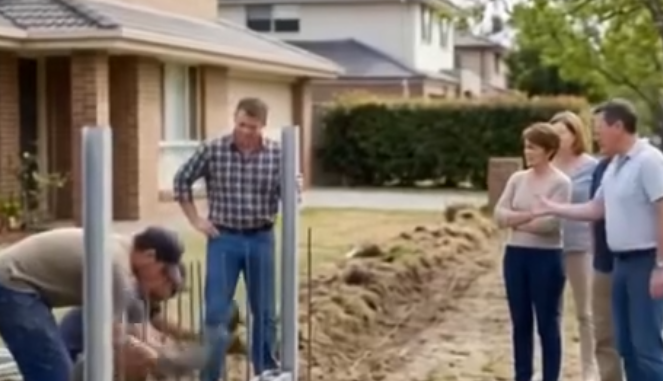
Understanding and respecting property boundaries is a fundamental aspect of neighborly relations and community living. Boundaries define personal space, establish ownership, and help prevent conflicts. However, what happens when those boundaries are altered without consent? This article delves into the significance of property lines, the challenges that arise when they are disregarded, and constructive approaches to reaffirming boundaries while maintaining respectful relationships.
The Role of Property Boundaries
Property boundaries are more than just physical markers like fences or walls; they represent legal and social agreements defining the limits of ownership. These boundaries help ensure privacy, security, and clarity about where one person’s property ends and another’s begins. They also contribute to a neighborhood’s organization and aesthetic cohesion.
When Boundaries Are Altered Without Consent
Occasionally, conflicts arise when one party changes or removes a boundary marker without consulting the other affected individuals. This can lead to feelings of violation and mistrust. The removal or alteration of a fence, for example, may be perceived as disregarding the other person’s rights and efforts invested in maintaining their property.
The Importance of Communication
One of the key lessons in managing property boundaries is the critical role of communication. Before making any changes that affect shared or adjoining spaces, discussing the plans with neighbors is essential. Open dialogue allows for understanding different perspectives, addressing concerns, and potentially reaching mutually agreeable solutions.
Legal and Practical Considerations
Property boundaries are often established through legal documents, surveys, and municipal regulations. When disputes occur, consulting these resources can clarify rightful ownership and responsibilities. In addition, involving mediators or local authorities can help resolve disagreements amicably without escalating tensions.
Reaffirming Boundaries Respectfully
In situations where boundaries have been compromised, reestablishing them requires careful planning and respect for all parties involved. This might include reinstalling physical markers like fences or hedges, clearly documenting boundary lines, and communicating intentions clearly to neighbors. Such steps reinforce respect for property rights and help restore trust.
Building Durable and Respectful Boundaries
When reconstructing boundary markers, choosing durable materials and precise installation demonstrates commitment to maintaining clear property limits. Beyond the physical structure, this effort symbolizes respect for personal space and the importance of acknowledging others’ rights.
Community Impact and Neighbor Relations
Respecting boundaries contributes positively to the overall harmony of a community. When neighbors recognize and honor each other’s spaces, it fosters an environment of mutual respect and cooperation. Conversely, ignoring boundaries can lead to ongoing conflicts and strained relationships.
Lessons for Homeowners and Renters
For anyone living in close proximity to others, understanding the significance of property boundaries is crucial. This awareness encourages proactive communication, respect for shared spaces, and thoughtful decision-making that considers the impact on neighbors.
Conclusion
Property boundaries serve as essential markers of ownership, respect, and community coexistence. Altering these boundaries without permission can disrupt neighborly relations and create tension. Through clear communication, legal understanding, and respectful actions, it is possible to uphold these boundaries effectively. Ultimately, recognizing the importance of boundaries helps maintain peaceful and respectful living environments for everyone involved.
Understanding the Emotional Dimension of Boundaries
While property boundaries are often discussed in terms of legal rights and physical markers, it is important to recognize the emotional significance they hold for individuals. A boundary is not merely a line on a map or a fence in a yard; it represents a sense of security, ownership, and personal identity. When a boundary is altered or removed without consent, it can trigger feelings of vulnerability, disrespect, and loss. These emotional responses are valid and contribute to the intensity of disputes over boundaries.
This emotional dimension underscores the importance of empathy in neighborly interactions. Recognizing that a boundary may symbolize more than just property can help foster more considerate communication and conflict resolution. Taking the time to listen and acknowledge these feelings can pave the way for better understanding and cooperation.
The Role of Mediation and Conflict Resolution
When disputes over property boundaries escalate or become entrenched, involving a neutral third party can be a highly effective way to resolve conflicts. Mediation offers a structured environment where both parties can express their concerns and interests without the adversarial nature of legal proceedings.
Mediators are trained to facilitate communication, help clarify misunderstandings, and guide neighbors toward mutually acceptable solutions. This approach can preserve relationships by focusing on collaboration rather than confrontation. In many communities, local government offices or nonprofit organizations provide mediation services specifically designed to address neighbor disputes.
Exploring Alternative Boundary Markers
While fences are a common and visible boundary marker, they are not the only option available to delineate property lines. Homeowners might consider alternative markers such as hedges, shrubs, decorative rocks, or low walls. These options can provide a physical indication of boundaries while contributing to the aesthetic appeal of a property.
Selecting the right boundary marker depends on various factors including local regulations, environmental conditions, maintenance requirements, and the preferences of all parties involved. Open discussions about these alternatives can lead to creative solutions that satisfy both functional and community harmony objectives.
Legal Frameworks and Property Rights
Property boundary disputes are often governed by a combination of local laws, zoning ordinances, and homeowner association rules. Understanding these legal frameworks is essential for anyone involved in a boundary conflict. Property deeds and surveys provide official documentation of boundaries, which can serve as a basis for resolving disagreements.
In some cases, adverse possession laws or historical usage may complicate boundary claims, making legal advice necessary. Consulting a qualified real estate attorney can help clarify rights, responsibilities, and the potential consequences of various actions taken by neighbors.
The Impact of Technology on Boundary Management
Advancements in technology have introduced new tools for property owners to manage and understand their boundaries. Geographic Information Systems (GIS), drone surveys, and digital mapping services provide accurate and accessible ways to visualize property lines.
These technologies can reduce misunderstandings caused by vague or outdated boundary information. Sharing digital maps or survey results with neighbors can facilitate transparent communication and prevent disputes from arising.
However, it is important to verify the accuracy of technological data and complement it with official surveys and legal documents when necessary.
Respecting Shared Spaces and Community Norms
In many neighborhoods, certain spaces such as sidewalks, easements, and common areas are shared among residents. Respecting these shared spaces is equally important as respecting private boundaries. Community norms often dictate how these areas should be used and maintained.
Engaging with homeowner associations or local community groups can provide clarity on expectations and responsibilities regarding shared spaces. Participating in community meetings or initiatives fosters a spirit of cooperation and collective stewardship.
Preventative Measures to Avoid Boundary Conflicts
Proactive steps can significantly reduce the likelihood of boundary disputes. These include clearly documenting property lines, maintaining visible markers, and regularly communicating with neighbors about any planned changes.
Before making alterations such as landscaping, construction, or fence installation, obtaining necessary permits and discussing plans can prevent misunderstandings. Keeping records of communications related to boundary agreements also provides valuable reference points in case disagreements arise.
Educating oneself about local property laws and rights equips homeowners and renters to approach boundary issues with confidence and clarity.
The Long-Term Benefits of Boundary Respect
Consistently honoring property boundaries contributes to a stable and peaceful living environment. It builds trust among neighbors, encourages mutual respect, and enhances community cohesion.
When boundaries are respected, neighbors are more likely to collaborate on neighborhood improvements, share resources, and support each other in times of need. This collective goodwill enriches the quality of life and can increase property values.
Conversely, neglecting boundary respect can lead to ongoing conflicts, legal battles, and a fractious community atmosphere.
Encouraging a Culture of Respect and Responsibility
Ultimately, the foundation of boundary respect lies in cultivating a culture where individuals recognize the importance of consent, communication, and accountability. Encouraging neighbors to approach property matters with openness and consideration sets a positive tone.
Educational programs, neighborhood workshops, and community forums can raise awareness about the significance of boundaries and the best practices for managing them. Promoting a shared understanding helps prevent conflicts and supports harmonious coexistence.
Final Thoughts
Property boundaries are more than lines or fences; they are expressions of personal space, legal rights, and community values. Respecting these boundaries requires clear communication, legal awareness, empathy, and sometimes professional assistance.
When boundaries are violated, reestablishing them thoughtfully is essential to restore balance and respect. Through collaborative effort and mutual understanding, neighbors can navigate boundary challenges in ways that preserve relationships and promote peaceful living.
By appreciating the full scope of what boundaries represent, individuals contribute to stronger, more respectful communities where everyone’s rights and feelings are valued.
The Influence of Cultural Perspectives on Boundary Perception
Cultural backgrounds can significantly influence how individuals perceive and respect property boundaries. In some cultures, communal living and shared spaces are emphasized, leading to a more flexible interpretation of boundaries. In others, individual ownership and clearly defined personal space are paramount. Understanding these differing perspectives can provide insight into neighborly disputes and highlight the importance of cultural sensitivity when addressing boundary issues. Recognizing that boundary expectations vary across cultural contexts encourages patience and open-mindedness during resolution efforts.
The Role of Property Boundaries in Urban Planning and Development
Property boundaries play a crucial role in urban planning and development by delineating private and public spaces, guiding infrastructure placement, and ensuring orderly growth. Urban planners rely on accurate boundary definitions to allocate resources, design transportation networks, and maintain zoning regulations. When boundaries are ambiguous or contested, it can hinder development projects and disrupt community planning. Therefore, maintaining clear and respected property lines supports not only individual property rights but also the broader functionality and sustainability of urban environments.
Environmental Considerations in Boundary Marking
When establishing or reestablishing property boundaries, environmental factors should be taken into account. Choices regarding boundary markers can impact local ecosystems, water drainage, and wildlife movement. For instance, installing impermeable barriers might affect natural water runoff, while certain plants used as living fences may support local biodiversity. Property owners are encouraged to select boundary solutions that balance functional needs with environmental stewardship. Consulting with environmental experts or local conservation groups can help ensure that boundary installations contribute positively to the surrounding habitat.
The Psychological Impact of Boundary Disputes
Beyond physical and legal implications, disputes over property boundaries can have psychological effects on the individuals involved. Feelings of stress, anxiety, and helplessness may arise when personal space is perceived to be violated. These emotional responses can affect overall well-being and quality of life. Acknowledging the psychological dimension emphasizes the importance of resolving conflicts promptly and compassionately. Seeking support from counselors or community resources may benefit those experiencing significant distress due to boundary disagreements.
The Importance of Documentation and Record Keeping
Maintaining thorough documentation related to property boundaries is essential for preventing and resolving disputes. This includes keeping copies of property deeds, surveys, correspondence with neighbors, permits, and agreements. Well-organized records provide evidence of ownership and intentions, which can be invaluable in negotiations or legal proceedings. Digital tools and cloud storage offer secure and accessible methods for storing such documents. Property owners should regularly update and review their records to ensure accuracy and preparedness.
Innovations in Boundary Dispute Resolution
In recent years, innovative approaches have emerged to address boundary disputes more effectively. Online dispute resolution (ODR) platforms enable parties to engage in mediated discussions remotely, offering convenience and reducing costs. Some communities have implemented neighborhood dispute resolution programs that combine education, mediation, and legal assistance tailored to local needs. These innovations promote timely and amicable resolutions while minimizing adversarial encounters. Staying informed about available resources can empower individuals to handle boundary conflicts constructively.
Educational Initiatives for Boundary Awareness
Education plays a vital role in fostering respect for property boundaries. Schools, community centers, and local governments can develop programs that teach residents about the significance of boundaries, legal rights, and communication strategies. Workshops and informational materials can demystify technical aspects of property law and encourage responsible behavior. By cultivating knowledge from an early age and throughout adulthood, communities nurture a culture of respect and reduce the likelihood of boundary-related conflicts.
The Economic Implications of Boundary Disputes
Property boundary disputes can have economic consequences for the parties involved and the broader community. Legal fees, decreased property values, and delayed development projects represent tangible costs. Furthermore, ongoing conflicts may deter potential buyers or investors concerned about unresolved issues. Conversely, clearly defined and respected boundaries contribute to market stability and enhance property desirability. Being proactive about boundary maintenance is thus not only a matter of personal respect but also sound financial practice.
Future Trends in Boundary Management
Looking ahead, boundary management is expected to integrate more technological advancements and community-based approaches. Emerging technologies such as blockchain could provide secure, transparent records of property ownership and boundary agreements. Additionally, increased emphasis on collaborative community planning may foster shared responsibility for boundary upkeep and dispute prevention. As societies evolve, adapting boundary practices to reflect changing social, technological, and environmental contexts will be essential for maintaining harmony and clarity.
Key Takeaways for Property Owners and Communities
- Recognize that boundaries encompass legal, emotional, cultural, and environmental dimensions.
- Prioritize open and respectful communication with neighbors before making changes affecting shared or adjacent spaces.
- Utilize legal documents, surveys, and professional advice to clarify and confirm property lines.
- Consider alternative and environmentally sensitive boundary markers as part of a comprehensive approach.
- Maintain detailed records and documentation related to boundaries and interactions.
- Explore mediation and innovative dispute resolution options to address conflicts amicably.
- Engage in educational efforts to increase awareness and promote a culture of respect.
- Understand the economic and community-wide impacts of boundary disputes.
- Stay informed about emerging technologies and community initiatives that support effective boundary management.
By embracing these principles, property owners and communities can foster environments where boundaries are respected, conflicts are minimized, and relationships are strengthened.
Leave a Reply