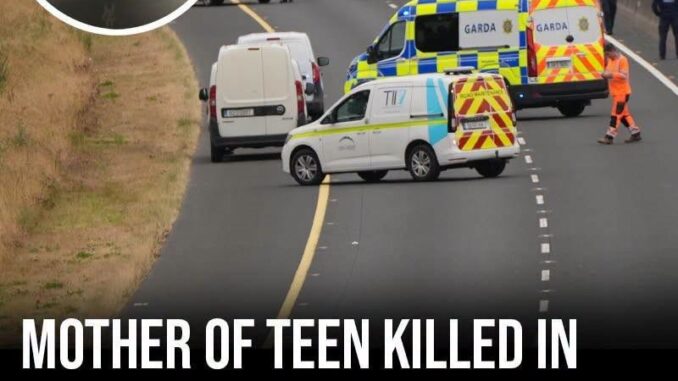
Five young men died after a vehicle traveled the wrong way and collided with another car. In the aftermath, one mother revealed that she had begged a judge to place her teenage son in jail only weeks before the crash. Her request sounded severe at the time, but she believed detention was the only way to stop behavior that was becoming increasingly dangerous.
The collision occurred on August 16 and turned fears she had expressed privately into a public tragedy. She was not speaking as a parent who wanted her child punished for its own sake. She was asking authorities to impose a boundary she could no longer enforce at home. According to her account, the warning was heard but did not lead to the intervention she believed was necessary.
After the deaths, the mother’s words carried unbearable weight. Grief was joined by the knowledge that she had anticipated danger and asked for help. Parents are often expected to protect their children, yet there are moments when a family cannot manage escalating risk without the courts, medical professionals or community services. Her plea represented an admission that the situation had moved beyond what she could safely control.
The wrong-way crash did not take only one life. Five families were suddenly grieving young men whose futures ended in the same violent event. The scale of the loss turned questions about earlier decisions into urgent demands for accountability. People wanted to know whether different action by the court could have prevented the vehicle from being on the road.
Hindsight can make every missed opportunity appear obvious. Judges must make decisions using the information and legal options available at the time, and detention is a serious measure. Still, a parent standing in court and asking that her own child be jailed is not an ordinary warning. It signals fear strong enough to overcome the instinct to shield a son from consequences.
The mother’s account also challenges the idea that families always resist accountability. She understood that allowing dangerous conduct to continue could expose her son and other people to harm. Jail, in her view, was not abandonment. It was an emergency barrier that might keep him alive long enough for the crisis to change.
For the family struck by the wrong-way vehicle, recovery continued after the funerals. A crash can leave survivors with physical injuries, medical expenses and trauma that does not disappear when news coverage ends. Their experience is part of the story as much as the warnings surrounding the young driver. They encountered the consequences of decisions and failures in which they had no role.
The tragedy raises broader questions about how authorities respond when risky driving overlaps with a pattern of unstable or unlawful behavior. License restrictions, detention, treatment and close supervision may all be considered, but each depends on timely information and enforcement. A warning matters only if someone with the power to act understands its urgency.
Nothing can now transform the mother’s plea into the intervention she wanted. Her statement is painful because it shows that she imagined a terrible outcome without knowing its exact shape. She wanted her son confined, not because she had stopped loving him, but because she believed freedom had become dangerous.
The deaths of five young men should not be reduced to a single courtroom accusation. They are a reminder of the shared responsibility involved in road safety and crisis intervention. Families must speak, officials must listen and dangerous patterns must be addressed before they become irreversible. In this case, a mother says she spoke clearly. Weeks later, she was left grieving the son she had tried to save and asking why no one treated her warning as the emergency she believed it was.
Leave a Reply