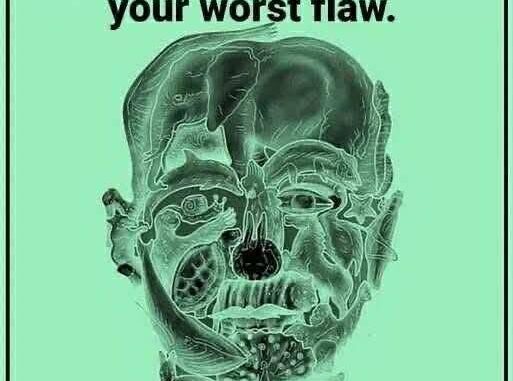
A composite picture appears to show a human face, but its features are built from many animals. The first creature a viewer notices is said to reveal a personal flaw. The exercise is entertainment rather than psychology, yet comparing the different interpretations can make people consider habits they usually ignore.
Seeing the elephant first is linked with stubbornness. The strength to hold a position can be admirable, but it becomes a weakness when new evidence is rejected simply because changing course feels like defeat.
The iguana represents emotional distance. A calm exterior may protect someone during conflict, although other people can experience the same reserve as indifference. Expressing care directly may be more helpful than assuming loved ones already understand it.
Spotting the pig points toward indulgence. Enjoyment and comfort are not faults by themselves. Problems begin when immediate pleasure repeatedly overrides health, responsibility or long-term goals.
The cricket is associated with anxiety. Attention constantly searches for what might go wrong, making preparation useful but rest difficult. Learning to distinguish a real problem from an imagined one can reduce that pressure.
The horse symbolizes pride. Confidence and dignity can support achievement, but refusing help or apology may turn self-respect into isolation. Pride becomes destructive when protecting an image matters more than repairing a relationship.
A dolphin is connected with impulsiveness. Quick decisions can create adventure and originality, yet acting before considering consequences may produce avoidable trouble. A short pause can preserve spontaneity without surrendering judgment.
The bear suggests rigidity. Reliable routines create stability, but strict expectations can make change feel threatening. Flexibility does not require abandoning standards; it means adapting them to reality.
Seeing the fox first is interpreted as avoidance. Cleverness may help a person escape discomfort, but postponed conversations and responsibilities usually return in a more difficult form.
The rabbit indicates insecurity. Sensitivity to judgment can make someone careful and considerate, though constant self-doubt prevents strengths from being used. The toucan, by contrast, represents attention seeking. A desire to be noticed can energize a room, but it may exhaust relationships when every moment must return to one person.
The kangaroo is linked with inconsistency, while the peacock symbolizes vanity. The kangaroo profile begins eagerly but struggles to maintain direction. The peacock may invest so heavily in appearance and admiration that deeper needs are neglected.
A turtle is associated with caution. Careful observation prevents mistakes, yet excessive caution can become paralysis. The whale represents emotional isolation, suggesting a rich inner world kept at too great a distance from others.
The gorilla indicates dominance and the duck suggests mood swings. Leadership can become control when other voices are ignored. Changing emotions are human, but people around someone need communication rather than being forced to guess which mood has arrived.
The starfish represents escape from reality, the snake manipulation and the sloth bear procrastination. Each describes a different way of avoiding direct responsibility: retreating into fantasy, controlling other people or delaying action until options narrow.
The bird is associated with instability, while the snail reflects resistance to change. One moves too easily from direction to direction; the other refuses to move even when remaining still causes harm.
None of these meanings is supported by scientific evidence, and a split-second visual choice cannot diagnose personality. The image is useful as a game precisely because it lowers the stakes. A viewer can consider the interpretation without being defined by it.
The most revealing response may not be which animal appears first, but which description creates discomfort. A flaw noticed honestly can become a point of growth. The picture offers a playful starting place, while actual change depends on repeated choices far beyond what the eye finds in one crowded face.
Leave a Reply