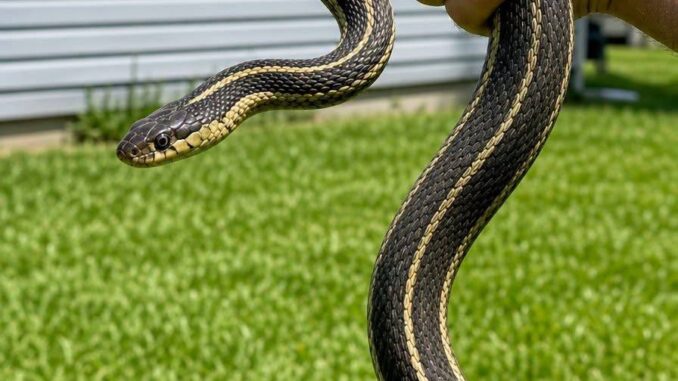
Seeing a snake in your yard can be unsettling, especially when children or pets are nearby. However, most snakes are naturally cautious and would rather avoid people than confront them. Many also play a useful role by helping control rodents and other pests.
If you want to make your property less attractive to snakes, the safest approach is to remove the conditions that encourage them to stay rather than relying on potentially dangerous chemicals. Here are eight practical strategies.
1. Reduce Available Food
Snakes may be attracted to yards where prey is plentiful. Rodents, frogs, insects, and other small animals can make a property appealing.
Keep garbage and compost containers securely closed, clean up spilled birdseed, and remove fallen fruit from trees when possible. If you use bird feeders, placing them away from the house and regularly cleaning the surrounding area can also help reduce rodent activity.
2. Keep Grass and Vegetation Under Control
Tall grass, thick weeds, brush, and dense vegetation provide snakes with places to hide.
Regularly mow the lawn and trim vegetation around walkways, patios, sheds, and the foundation. Keeping these areas relatively open makes it easier to spot wildlife and removes some of the shelter snakes may seek.
3. Remove Hiding Places
Stacks of lumber, piles of leaves, rocks, discarded materials, and other outdoor clutter can provide excellent shelter for snakes and their prey.
Store firewood neatly above the ground when practical, remove unnecessary debris, and keep storage areas organized. Pay particular attention to spaces underneath sheds, decks, and other structures.
4. Seal Potential Entry Points
If your concern is snakes getting inside your house, inspect the foundation and exterior for gaps.
Check around doors, windows, pipes, vents, and utility openings. Repair damaged screens and use appropriate materials to close openings that could allow wildlife to enter.
A properly sealed home can also help keep rodents and other unwanted pests outside.
5. Manage Water and MoistureSome snakes are attracted to areas where moisture and prey are readily available.
Fix leaking outdoor faucets, repair irrigation problems, and avoid allowing water to collect unnecessarily around the property. Keep areas beneath air-conditioning units and other equipment from becoming persistently damp.
Reducing excess moisture can make the yard less appealing to a variety of pests.
6. Be Careful With Repellents
Snake-repellent products are widely marketed, but their effectiveness can vary. Rather than assuming that a homemade mixture or strongly scented substance will reliably keep snakes away, focus first on habitat management and exclusion.
Avoid scattering substances such as mothballs around your property. Mothballs contain pesticides and can be hazardous if children or pets ingest them. They should not be used outdoors as an improvised snake repellent.
7. Make Outdoor Areas Easier to Monitor
Pay special attention to places where people and pets spend time.
Keep patios, children’s play areas, paths, and areas around pet food bowls relatively clear. Don’t leave food outdoors overnight, since it can attract rodents and other animals that may indirectly attract snakes.
Before reaching into woodpiles, garden sheds, dense vegetation, or other dark spaces, look carefully first.
8. Don’t Handle an Unidentified Snake
If you encounter a snake, the safest response is usually to give it plenty of space.
Do not attempt to grab, corner, or kill it, particularly if you cannot confidently identify the species. Keep children and pets away and allow the animal an opportunity to move away on its own.
If a snake enters your home or becomes trapped in an area where it poses a concern, contact a qualified local wildlife professional or animal-control service for advice about safe removal.
A Better Approach to Snake Control
Completely eliminating snakes from a property isn’t realistic, especially in areas where they are naturally common. The goal should instead be to make your yard less attractive while preventing encounters in high-traffic areas.
Removing food sources, reducing clutter, controlling vegetation, managing moisture, and sealing openings around your home are generally more useful long-term measures than relying on harsh chemicals or unproven home remedies.
It’s also worth remembering that snakes are part of the local ecosystem. Many species help control mice, rats, insects, and other pests.
If you don’t know whether a snake is venomous, treat it cautiously and avoid getting close enough to handle it. Local wildlife agencies or qualified professionals can help with identification when necessary.
A few simple changes can make your property more comfortable for your family and pets while allowing wildlife to remain safely outdoors.
Leave a Reply