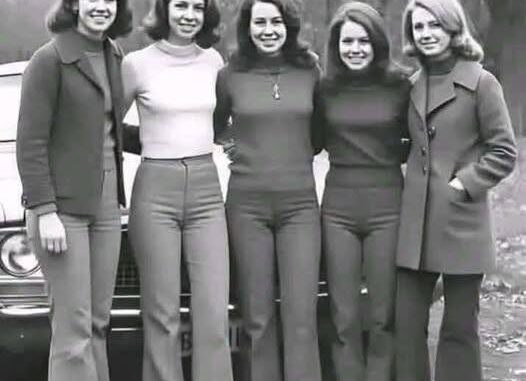
The 1970s continue to hold a special place in fashion and popular culture. Even decades later, photographs from the period can immediately transport us to a different time, filled with distinctive clothing, expressive hairstyles, warm colors, and a more relaxed approach to personal style.
What makes the decade particularly interesting is that there was no single look that defined everyone. Instead, the 1970s encouraged experimentation. Young people mixed vintage pieces with new trends, combined casual clothing with dramatic accessories, and increasingly used fashion as a way to communicate personality and individuality.
A Decade of Changing Style
The 1970s arrived after the dramatic fashion changes of the 1960s, but the two decades were quite different visually.
The structured styles of earlier periods gradually gave way to clothing that felt more comfortable, relaxed, and expressive. Young women embraced everything from flowing dresses and denim to tailored trousers and colorful patterned clothing.
Fashion became less about following one carefully coordinated outfit and more about creating an individual appearance.
This opened the door to an enormous variety of trends.
Hairstyles Full of Movement
Hair was one of the most recognizable features of 1970s fashion.
Long, center-parted hair became popular, while feathered layers and soft bangs offered a more relaxed alternative to the heavily styled hairstyles of previous decades. Natural curls and fuller hairstyles were also widely embraced.
The emphasis was often on movement and texture rather than creating a perfectly controlled appearance.
Looking at photographs from the era, it’s easy to see how hairstyles contributed to the overall feeling of freedom and individuality associated with the decade.
Denim Becomes a Fashion Staple
Few materials are more closely connected with 1970s youth culture than denim.
High-waisted jeans, bell-bottoms, denim jackets, skirts, and other casual pieces became common parts of everyday wardrobes.
Bell-bottom trousers were particularly recognizable because of their dramatic shape. The fitted upper portion gradually widened toward the bottom, creating a distinctive silhouette.
Denim also represented something more than practicality. It became a way for young people to create casual outfits that could be personalized through embroidery, patches, belts, jewelry, or other accessories.
Warm Colors and Bold Patterns
The color palette of the 1970s is another reason photographs from the period are so recognizable.
Mustard yellow, burnt orange, rust, brown, olive and avocado green, and earthy shades appeared frequently in clothing and interior design.
Patterns were equally important.
Floral designs, geometric prints, checks, stripes, and other colorful motifs gave outfits a strong visual character. Some styles were influenced by the psychedelic aesthetics that had emerged during the previous decade, while others reflected growing interest in natural materials and handcrafted design.
Together, these colors and patterns created the warm visual identity that many people now associate with vintage 1970s style.
Accessories Added Personality
Accessories played an important role in completing an outfit.
Platform shoes became particularly recognizable, while clogs, sandals, boots, and casual sneakers offered other popular choices.
Large sunglasses, leather handbags, scarves, wooden accessories, and layered necklaces could transform a relatively simple outfit into something much more distinctive.
Jewelry was often colorful or textured, with beads, natural materials, and handmade elements contributing to the decade’s relaxed aesthetic.
A More Casual Approach to Beauty
Makeup trends also changed during this period.
Rather than relying exclusively on the highly structured appearance associated with some earlier decades, many popular looks emphasized natural-looking skin and softer colors.
Glossy lips, warm tones, subtle eye makeup, and a fresh complexion became common influences.
The overall approach was often less formal and more relaxed, fitting naturally with the decade’s broader fashion trends.
Fashion and Individual Expression
Perhaps the most important feature of 1970s youth culture was the growing emphasis on personal expression.
Young people increasingly experimented with clothing instead of simply following established expectations.
Vintage garments could be combined with contemporary pieces. Handmade clothing could be worn alongside commercially produced fashion. Traditional ideas about men’s and women’s clothing also became less rigid in some youth communities.
This created a diverse fashion landscape in which individuality was often more important than perfect coordination.
The Influence of Music and Youth Culture
Fashion cannot be separated from the cultural environment of the 1970s.
Music, television, cinema, social movements, and changing attitudes toward lifestyle all influenced the way young people dressed.
Different communities developed their own visual identities, meaning that the decade looked different depending on location, social group, and personal interests.
Rock, disco, folk, and other musical movements each contributed different influences to fashion.
As a result, there was no single definition of what it meant to look “1970s.”
Why Vintage 1970s Style Keeps Returning
The decade’s influence has never completely disappeared.
Modern designers frequently revisit flared trousers, wide-leg jeans, flowing dresses, crochet details, earthy colors, suede, fringe, and vintage-inspired prints.
Bohemian fashion remains particularly influential, while modern denim collections regularly reinterpret the silhouettes associated with the 1970s.
Interior design has also experienced repeated interest in warm wood tones, earthy colors, textured fabrics, and vintage-inspired patterns.
The appeal may partly come from the warmth and personality of these designs.
At a time when modern aesthetics can sometimes emphasize simplicity and minimalism, 1970s-inspired design offers something more colorful, textured, and nostalgic.
The Appeal of 1970s Photography
It’s not only the clothing that creates nostalgia.
Photographs from the era often have a distinctive appearance because they were captured using analog film. Grain, lighting, color reproduction, and the limitations of older cameras contributed to an aesthetic that modern photographers frequently try to recreate digitally.
Today’s filters and editing techniques often imitate those characteristics, giving new photographs a vintage appearance.
This shows how strongly the visual language of the decade continues to influence contemporary photography and online creative culture.
Looking Back Without Romanticizing the Past
Nostalgia can make the past appear simpler than it really was.
The 1970s had its own social, economic, and political challenges, just like every other period. Appreciating the fashion and cultural creativity of the decade doesn’t require pretending that everything about the era was perfect.
Instead, its style can be appreciated as one part of a much larger historical story.
Fashion reflects the people and circumstances of its time, and the 1970s provide a particularly interesting example of how clothing can mirror changing attitudes toward individuality and self-expression.
A Style That Refuses to Disappear
The enduring popularity of 1970s fashion is a reminder that trends rarely disappear completely.
They return in new forms.
Bell-bottoms become modern flares. Vintage floral patterns appear on contemporary dresses. Warm earthy colors return to clothing collections and home interiors. Analog photography inspires digital effects.
What once represented a particular generation can eventually become a source of inspiration for another.
The 1970s remain memorable not simply because of specific garments or hairstyles, but because the decade represented a period of experimentation and personal expression.
That combination of comfort, creativity, color, and individuality continues to appeal to people today.
For anyone interested in fashion history, looking back at the 1970s offers more than nostalgia. It provides a fascinating glimpse into how cultural change can influence what people wear—and how those choices can continue shaping style long after the original decade has passed.
Leave a Reply