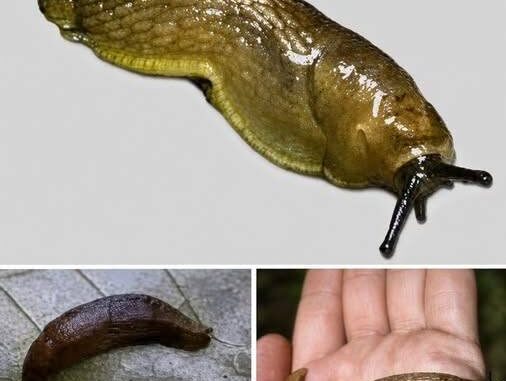
Finding a slug inside your home can be an unexpected experience. You may notice one slowly crossing the kitchen floor, bathroom, hallway, basement, or garage and immediately wonder how it got there.
Slugs are usually associated with gardens, damp soil, plants, and rainy weather, so seeing one indoors can seem unusual. However, in most cases, there is a fairly simple explanation.
Slugs are attracted to cool, moist environments and may occasionally find their way inside through small openings around doors, windows, foundations, crawl spaces, or other areas connected to the outdoors.
Rather than viewing an indoor slug as something mysterious, it can be more useful to treat the sighting as a small clue about the conditions surrounding your home.
A single slug does not necessarily indicate a serious household problem. But if you repeatedly discover them indoors, it may be worth checking for moisture, drainage issues, vegetation close to the building, or gaps that allow small outdoor creatures to enter.
Why Slugs Prefer Damp Environments
Moisture plays an important role in the lives of slugs.
Unlike many animals with protective outer coverings, slugs have soft bodies that can lose moisture relatively quickly. Their mucus helps them move and provides some protection from drying out.
This is one reason they are particularly active during cool, damp weather.
Rain can create ideal conditions for slug activity. Wet soil, damp leaves, shaded areas, and plant debris provide comfortable places for them to move and hide.
Around a home, similar conditions can develop near:
- Dense vegetation
- Thick mulch
- Shaded garden beds
- Wet leaves
- Leaking outdoor faucets
- Poorly drained soil
- Areas beneath decks
- Damp crawl spaces
- Compost or plant debris
- Water collecting near the foundation
If a slug eventually appears indoors, it may simply have followed a damp or sheltered route from outside.
How Does a Slug Get Inside?
A slug is not intentionally entering a house because it wants to become a household pest.
It is responding to its surroundings.
Small gaps around doors, windows, pipes, foundations, vents, and other openings can provide pathways into a building. Because slugs have soft bodies, they may be able to move through surprisingly narrow spaces.
An isolated sighting therefore does not necessarily mean there is a large population inside your home.
The situation is different if you repeatedly find slugs indoors. Frequent sightings suggest that there may be a consistently accessible route or environmental condition attracting them.
In that situation, finding the source can be more useful than simply removing each slug as it appears.
Where You Find the Slug May Offer a Clue
The location of the slug can sometimes help you determine where it came from.
A slug discovered near an exterior door could have entered through a gap underneath the door or around the frame.
One found in a basement could be connected to damp conditions around the foundation or crawl space.
A slug in the bathroom may simply have traveled indoors from another location, although persistent moisture in the area is worth checking.
Finding one near a back door could point toward nearby garden beds, mulch, vegetation, or damp soil.
The location does not prove exactly how the animal entered, but it can help you decide where to begin looking.
What If You Find a Slug in the Kitchen?
Finding a slug in the kitchen can certainly be surprising.
However, its presence does not automatically mean something is seriously wrong with the room.
Kitchens naturally contain several potential sources of moisture, including sinks, dishwashers, plumbing connections, and areas beneath cabinets.
If you find a slug there, inspect the area around the sink, exterior doors, windows, baseboards, and floor-level gaps.
It is also worth checking for unexplained dampness.
If the area is completely dry and you never see another slug, the incident may simply have been an isolated occurrence.
Why Bathrooms Can Attract Attention
Bathrooms are naturally more humid than many other areas of a house.
If a slug appears there, look around floor-level gaps, pipe openings, cabinets, windows, doors, and corners where moisture may collect.
This does not mean that a slug automatically indicates a plumbing leak
There are many possible ways a slug can enter a home.
However, repeated sightings combined with unexplained moisture are a good reason to investigate further. Addressing unnecessary moisture can help protect the home from a variety of problems, regardless of whether slugs are involved.
What About a Slug in the Bedroom?
A slug in a bedroom can seem particularly strange.
Bedrooms generally are not associated with gardens or damp outdoor conditions, so the animal may simply have traveled from another part of the building.
Consider whether the room is near an exterior wall, patio, balcony, ground-level door, basement, or crawl space.
The important question is not necessarily why the bedroom attracted the slug, but where the slug originally entered the home.
Why You May Notice More Slugs After Rain
Seeing more slugs following rainy weather is generally normal.
Wet conditions make it easier for slugs to move without losing as much moisture. They are often more active during cool periods and may remain hidden during hotter or drier parts of the day.
After rainfall, you may notice them on sidewalks, garden paths, leaves, patios, or other surfaces.
Their increased visibility after wet weather does not necessarily mean that something has suddenly changed inside your home.
What Can a Slime Trail Tell You?
One useful clue is the shiny trail a slug can leave behind.
Slugs produce mucus as they move. When the trail catches the light, it can sometimes reveal the direction the animal traveled.
If you notice a trail leading toward a door, crack, wall, or another opening, inspect that area carefully.
Potential entry points may include:
- Gaps beneath exterior doors
- Cracks around door frames
- Openings around pipes
- Foundation gaps
- Crawl-space entrances
- Spaces beneath windows
- Vegetation touching the exterior wall
Following the trail may help you identify a route that would otherwise be easy to overlook.
Remember That Slugs Are Mollusks
Slugs are sometimes confused with insects, but they are actually mollusks, placing them in the same broad animal group as snails.
Their soft bodies and strong dependence on moisture explain much of their behavior.
Many slugs also feed on plant material, which is why gardeners sometimes notice irregular holes or ragged edges on leaves when slug activity is high.
Could Your Garden Be Encouraging Slugs?
If you frequently see slugs around your property, the garden may be a better place to begin your investigation than the interior of the house.
Gardens can provide exactly the conditions slugs prefer.
Dense plants create shade. Mulch can retain moisture. Leaves and other organic material provide shelter. Stones, boards, containers, and similar objects can create cool spaces underneath.
Poor drainage can make these conditions even more favorable.
You do not need to eliminate every damp area from a garden. Plants require water, and healthy gardens naturally contain many small organisms.
Instead, focus on unnecessary sources of persistent moisture and excessive shelter.
Take a Look Around the Foundation
The area immediately surrounding your house deserves attention if indoor slug sightings become frequent.
Walk around the property after rainfall and look for places where water remains for unusually long periods.
Check for:
- Standing water
- Consistently wet soil
- Thick mulch against the house
- Dense ground cover
- Leaves collecting along the foundation
- Leaking outdoor faucets
- Downspouts directing water toward the building
- Garden beds positioned directly against exterior walls
These conditions can create a comfortable environment for slugs and other small creatures.
Keeping landscaping appropriately separated from the structure and directing water away from the foundation can help reduce unnecessary moisture around the home.
Check Doors and Windows
Exterior doors are another area worth inspecting.
A door may appear completely closed while still having a small gap underneath or around its frame.
Look at the door sweep, threshold, corners, and weather stripping.
Damaged seals can create entry points for many small outdoor creatures.
Ground-level windows should also be checked, especially if they are surrounded by damp soil, plants, or mulch.
Sealing appropriate gaps can help make the home less accessible to unwanted visitors.
Don’t Ignore the Crawl Space
A crawl space can provide several conditions that slugs prefer: darkness, shelter, cool temperatures, and potentially high moisture.
If your home has a crawl space and you repeatedly find slugs indoors, consider whether that area could be contributing to the problem.
Possible concerns include standing water, plumbing leaks, damp soil, damaged insulation, or openings that connect directly with the outdoors.
If the area is difficult or unsafe to access, a professional inspection may be a better option than attempting to investigate it yourself.
Slugs Are Part of the Natural Environment
Although slugs can become frustrating in gardens, they are still part of the ecosystem.
They consume plant material and decaying organic matter and can contribute to natural decomposition. They also provide food for various animals.
Birds, frogs, beetles, and other wildlife may feed on them depending on the local environment.
Therefore, seeing a slug outdoors is not automatically a sign that something is wrong.
The concern generally begins when slug activity becomes excessive, plants are being damaged, or the animals repeatedly find their way indoors.
When Slugs Become a Garden Problem
A few slugs in a garden are normal.
Larger populations, however, can cause noticeable plant damage.
Young seedlings can be particularly vulnerable. Slugs may leave irregular holes in leaves, damage tender growth, or feed on plants during nighttime hours.
Common signs include:
- Ragged or irregular holes in leaves
- Damaged seedlings
- Shiny trails on plants or nearby surfaces
- Feeding damage close to ground level
- Slugs hiding beneath leaves or garden objects
Because slugs are often more active at night, gardeners may notice the damage before they see the animals responsible.
Simple Ways to Reduce Unwanted Slug Activity
If slugs are becoming a recurring problem, start by making the surrounding environment less attractive to them.
Keep unnecessary piles of leaves and plant debris under control. Avoid excessive watering, particularly late in the day, when conditions may remain damp overnight.
Check drainage around garden beds and remove objects that create constantly damp hiding spaces.
You can also inspect plants regularly and remove visible slugs from garden areas when appropriate.
The best approach will depend on the size of the problem, the plants involved, and the local environment.
A Slug Inside Your Home Is Usually a Clue, Not a Mystery
Finding a slug indoors can certainly be surprising, but there is usually no need to interpret the event as something mysterious.
The animal is most likely responding to ordinary environmental conditions.
Moisture, shelter, vegetation, rainfall, and small openings can all play a role.
If you see one slug once, there may be little reason for concern.
If you continue seeing them, however, take the opportunity to inspect your property.
Look around exterior doors, windows, foundations, gardens, crawl spaces, and areas where water tends to collect.
You may discover a simple entry point or an area where moisture needs better management.
A Small Visitor Can Offer a Useful Reminder
A slug may seem like an insignificant visitor, but its appearance can encourage homeowners to pay closer attention to their surroundings.
Nature does not always stay neatly outside the front door.
Small creatures can take advantage of moisture, shelter, vegetation, and tiny openings that people rarely notice.
Instead of worrying when you discover a slug indoors, consider it an opportunity to inspect your home and garden.
Check for damp areas.
Look for possible entry points.
Keep outdoor spaces reasonably maintained.
Pay attention to drainage.
And if the sightings continue, investigate the source rather than simply removing the next slug you see.
Most importantly, there is no need to panic.
A single slug does not automatically signal a major household issue. Sometimes it is simply a small animal that happened to find an unexpected path indoors.
With a little observation and some practical maintenance, you can often determine why it appeared and reduce the chances of another surprise visit.
Leave a Reply