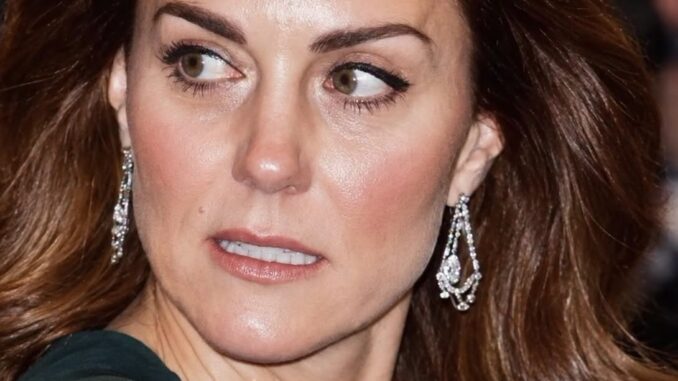
They thought it was just a photo. Within hours, it became evidence. A Mother’s Day portrait, meant to soothe anxieties, instead ignited them. Editors panicked. Agencies pulled the image. Social feeds erupted. Was this simple retouching—or a deeper deception?
What was supposed to be a tender tableau of motherhood and continuity became a global referendum on trust. Viewers zoomed, circled, and annotated, not because they cared about Photoshop, but because they sensed something off in the choreography. The palace’s habit of controlling the frame collided with an audience newly trained to question everything, especially when told not to. When major agencies issued “kill notices,” they weren’t merely flagging a technical breach; they were signaling that even the monarchy’s halo no longer exempts it from scrutiny.
Then came Kate’s apology, followed by the stark revelation of her cancer. The backlash suddenly looked less like media literacy and more like collective cruelty. The story turned inside out: from suspicion of a cover‑up to shame at what had been demanded of a visibly unwell woman. In the end, the scandal exposed less about one photograph than about a system that confuses image management with truth—and the human beings left to carry the fallout when that illusion collapses.
The photograph mattered because it was meant to offer reassurance. A family image carries an expectation of intimacy: people look at faces and gestures before they consider the machinery that brought the picture to them. When that image became disputed, the familiar language of a family portrait acquired a different meaning. What viewers had first received as a personal moment became something they examined as a public statement. That shift explains why the reaction reached beyond the technical details of an edited picture.
The agencies’ decision to withdraw the image introduced a further distinction. A picture can feel comforting or ordinary while still failing the standards expected of a news photograph. The withdrawal changed how the public encountered it. Instead of remaining a simple message from a family, it became a subject of discussion about authenticity, responsibility, and the confidence people place in institutions that communicate through carefully selected images. The argument was no longer only about what the photograph showed, but about what readers believed it promised.
Kate’s apology gave the discussion a person to focus on. That is where scrutiny and compassion can become difficult to hold together. An audience may have legitimate questions about an image without knowing the private circumstances of the person pictured. The article describes how the later revelation of her cancer changed the emotional weight of the earlier reaction. Details once treated as clues in a public puzzle were reconsidered in the light of a woman’s illness and the pressure surrounding her family.
That reversal does not make trust irrelevant. It makes the consequences of public speculation harder to ignore. When information is limited, uncertainty can easily be filled with assumptions. A photograph cannot explain an entire private situation, and an inconsistency in an image does not give strangers access to every fact behind it. The article’s closing concern is therefore both institutional and human: communication that relies too heavily on a polished appearance can weaken confidence, while the people inside that appearance bear the emotional costs when confidence breaks down. The lasting question is how to offer credible public information without turning a family’s vulnerability into a demand for unlimited exposure.
Leave a Reply