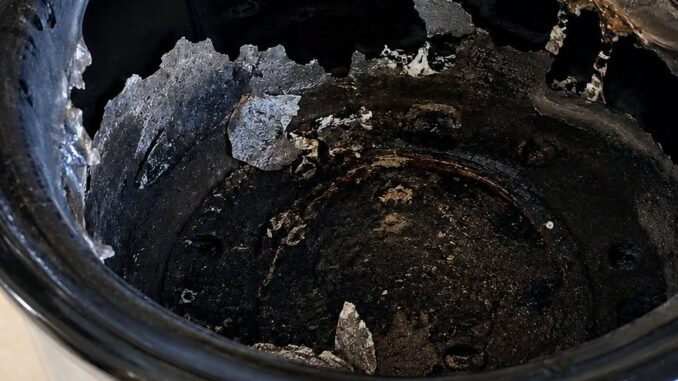
Slow cooker recipes are fantastic, and everyone loves walking into a house filled with the comforting aroma of a meal prepared all day long. The warmth envelops every room, feeling almost like dinner is waiting just for you to sit down and enjoy. I still vividly remember the first time I got to use a slow cooker myself. Fresh out of school, I was living in a tiny apartment and eager to prove to the world that I could handle independence. My mom handed down her old Crock-Pot, a trusty appliance that had fed our entire family for years. It instantly became my most heavily relied-upon gadget. You simply toss in the ingredients, switch it to low, and eight hours later, your meal is ready.
However, there was one occasion when I desperately craved a hearty, comforting meal, leading me to attempt a beef stew. It called for a generous handful of fresh herbs, which I finely chopped and threw right into the pot, alongside some crumbled bacon for extra depth. I set the slow cooker going and went about my day, eagerly anticipating the savory dish waiting for me that evening.
Upon returning home, reality fell far short of my expectations. Instead of the rich, aromatic soup I had envisioned, I was met with something entirely different—a grayish, remarkably bland, and faintly bitter concoction. It was far from appetizing.
What that experience taught me is that while slow cookers excel at saving time, certain ingredients simply do not belong in them. I soon discovered several foods you should always avoid slow-cooking.
Dairy
Certain food items cannot handle prolonged heat. Dairy products are a prime example, as items like milk, heavy cream, and cheese frequently curdle during extended cooking cycles. I once made the mistake of adding cream right at the start, leaving me with a watery, separated liquid and a curdled sludge resting at the bottom.
Seafood
Seafood is exceptionally delicate and easily overcooked in a slow cooker, turning shrimp, fish, or scallops rubbery and unappealing. I once attempted a seafood stew hoping to make life easier, only to end up with chewy, overcooked shrimp lacking any pleasant texture. If a recipe calls for seafood, it should always be stirred in during the final hour.
Fresh Herbs
Cooks frequently rely on herbs like parsley, basil, and cilantro to elevate dishes. They taste best when fresh, whereas prolonged low heat turns them bitter. It is far better to introduce them toward the very end of cooking to preserve their flavor. If you want that deep herbal note integrated throughout, use dried herbs instead, as they withstand the cooking process much better.
Alcohol
Adding wine or beer to a slow cooker dish might seem like a clever way to build complex flavor, but it comes with a major catch. Unlike traditional stovetop cooking where alcohol evaporates into the air, a slow cooker traps it, leaving your meal with an overpowering and often unpleasant alcoholic taste. If a recipe requires wine or beer, simmer it in a pan first to cook off the alcohol before transferring it to the pot.
Rice
Never attempt to cook rice inside a slow cooker. It has a frustrating habit of settling at the bottom and burning, ruining the texture entirely so it turns out neither fluffy nor properly cooked. Any dish involving rice is best prepared by cooking the rice separately and folding it in near the end.
Pasta
Pasta fares equally poorly in a slow cooker. Intense, sustained heat breaks it down until it becomes mushy and visually unappealing. I learned this the hard way trying to make a slow-cooker lasagna, where the noodles dissolved into a single, massive, grayish paste.
Leafy Greens
Delicate green leafy vegetables like spinach, kale, and arugula break down rapidly under prolonged low heat. They lose their structure entirely, turning into soft, watery lumps that ruin the visual appeal and texture of the dish.
Delicate Vegetables
Certain vegetables simply cannot withstand slow cooking, including zucchini, bell peppers, and asparagus. Extended cooking times render them mushy and devoid of flavor. To preserve their integrity, add these sensitive vegetables during the final stages of preparation.
Lean Meats
Lean cuts like chicken breasts or pork loin tend to dry out severely in a slow cooker, becoming tough and tasteless. Slow cookers are naturally built for fatty cuts, connective-tissue-rich meats like beef chuck, or pork shoulder, which break down into tender, juicy bites over time. If you must use lean meat, ensure you add plenty of extra liquid or fats to compensate.
Bacon and Crispy Ingredients
Searing bacon or onions directly inside a slow cooker with everything else sounds convenient, but by the time dinner is ready, they will be limp rather than crisp. To avoid this, reserve ingredients meant to be crunchy for the very end of the cooking cycle, or add them right before serving.
Too Much Liquid
While more of a technical guideline than a specific food item, liquid volume matters immensely. Slow cookers experience very little evaporation; starting with too much liquid will leave your food waterlogged. It is always wiser to start with a minimal amount.
While slow cookers remain wonderful appliances for creating tender, richly flavored dishes, success depends entirely on whether the ingredients can withstand long cooking times. For delicate items that overcook easily, sticking to the stovetop is always the safest bet.
Leave a Reply