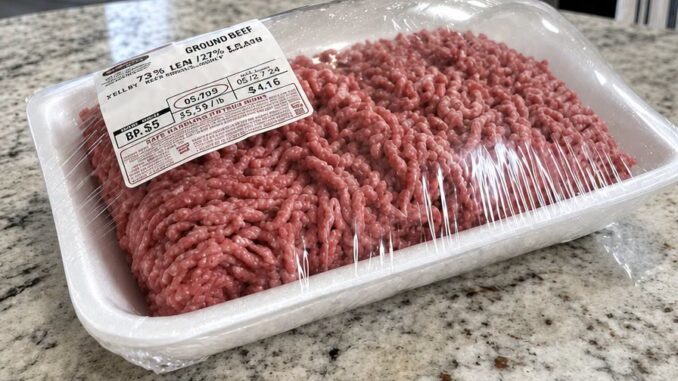
Have you ever picked up a bag of chips and wondered why it feels like it is filled with air? Or opened the refrigerator and noticed that a package of cheese, sausages, or another refrigerated food looks strangely swollen? Although both situations involve puffy packaging, they can mean very different things.
A little air—or more accurately, gas—inside food packaging is often completely normal. In fact, manufacturers sometimes deliberately add gas to protect food during transportation and storage. That familiar puffed-up chip bag is a good example. The space inside is generally filled with nitrogen, which helps cushion delicate chips and other fragile snacks so they are less likely to be crushed before reaching the consumer.
But unexpected swelling is another matter.
When a package that is normally flat, firm, or tightly sealed becomes noticeably bloated, especially when it contains a perishable food, the swelling may be a sign that microorganisms are growing inside. Certain bacteria, yeasts, and other microorganisms can produce gases as they multiply or break down food. When those gases become trapped inside a sealed package, the container can expand.
That does not mean every swollen package contains dangerous bacteria. Some microorganisms primarily cause food spoilage, resulting in unpleasant odors, flavors, textures, or colors. However, some foodborne microorganisms can cause illness, and you cannot reliably determine whether a particular swollen package is merely spoiled or potentially hazardous just by looking at it.
That is why unusual swelling deserves caution.
Why Some Food Packages Are Intentionally Puffy
Before discussing dangerous swelling, it is important to understand that not every inflated package is a warning sign.
Food manufacturers carefully design packaging to protect products from damage, oxygen, moisture, and contamination. In some products, the package is intentionally filled with a gas to create a protective atmosphere.
Snack foods are one of the most obvious examples.
Potato chips, corn chips, cheese puffs, and similar snacks are fragile. If the packaging contained little or no protective space, the chips could easily break when boxes are stacked, transported, handled, or stored. Manufacturers often use nitrogen to create a cushion around the food.
Nitrogen is particularly useful because it is relatively inert and does not readily react with the food. It also helps displace oxygen, which can contribute to oxidation and quality loss in certain products.
This means that opening a bag of chips and discovering that it contains a surprising amount of empty space is not necessarily evidence that something has gone wrong. The apparent “extra air” serves a purpose.
The same general principle applies to some other packaged foods. Modified-atmosphere packaging can use carefully controlled mixtures of gases to help maintain freshness and extend shelf life. Depending on the product, packaging may contain gases such as nitrogen or carbon dioxide.
The important distinction is whether the package was designed to contain that gas in the first place.
A consistently puffy snack bag is generally expected. A refrigerated food package that has suddenly ballooned outward is a different situation.
When Swelling Can Be a Warning Sign
Unexpected swelling becomes more concerning when it occurs in foods that are normally packaged tightly and stored under refrigeration.
Consider a sealed package of sliced meat. When purchased, the plastic may sit relatively close to the food. If the same package becomes dramatically inflated several days later, something has changed.
One possible explanation is microbial activity.
Microorganisms are everywhere. Some are harmless, and many are naturally present on food. Under favorable conditions—including suitable temperatures, moisture, nutrients, and time—microorganisms can multiply.
Some microorganisms produce gases during their growth and metabolism. If that activity occurs inside an airtight package, the gas has nowhere to escape. Pressure can build, causing the package to puff up.
The result may look similar to intentionally inflated packaging, but the underlying cause is completely different.
This is one reason consumers should pay attention to changes in packaging rather than relying only on printed expiration dates.
What Causes Food to Swell?
Food spoilage can involve many different microorganisms, including bacteria, yeasts, and molds. Their effects vary depending on the food, storage conditions, packaging, and species involved.
Certain microorganisms consume nutrients in food and produce metabolic byproducts. Some of those byproducts are gases. When gas accumulates inside sealed packaging, it can cause visible swelling.
Temperature is particularly important.
Refrigeration slows the growth of many microorganisms, which is why perishable foods need to be kept cold. Refrigeration does not make food completely free of microorganisms, however. Some organisms can survive refrigeration, and certain microorganisms are capable of growing at relatively low temperatures.
Improper storage can accelerate the problem. If refrigerated food is left at temperatures that allow microorganisms to multiply more quickly, spoilage and food safety risks can increase.
Packaging itself can also affect what happens. A tightly sealed package can trap gases produced inside the container. A package with a damaged or loose seal may behave differently because gases can escape.
That is why an unusual change in the shape or tension of a package can provide useful information about what may be happening inside.
Not All Spoiled Food Swells
There is another important point: food can be unsafe without looking swollen.
Swelling is a warning sign, not a complete food safety test.
Some harmful microorganisms do not necessarily produce enough gas to make a package visibly expand. Food can therefore look normal and still be unsafe if it has been contaminated or improperly handled.
Likewise, not every unpleasant smell or appearance indicates the presence of a dangerous pathogen. Spoilage organisms can cause obvious changes that make food unappealing without necessarily causing foodborne illness.
This uncertainty is exactly why consumers should avoid treating appearance, smell, or taste as a laboratory test.
Never taste suspicious food simply to determine whether it has gone bad.
If a food looks abnormal, smells unusual, has an unexpected texture, or comes in damaged or severely swollen packaging, the safest choice is to discard it rather than experiment.
Swollen Cans Deserve Special Attention
Canned foods require particular caution because they are designed to be shelf-stable for extended periods.
A properly processed and sealed can should generally maintain its expected shape. A can that is bulging, leaking, badly dented around a seam, or otherwise compromised should not be treated as an ordinary can.
Bulging can occur for several reasons, including microbial activity or chemical reactions inside the container. The exact cause cannot be determined simply by looking at the can.
Some foodborne pathogens are particularly concerning because they may not produce obvious changes in smell or appearance. That is one reason consumers should never assume that a suspicious can is safe simply because its contents look or smell acceptable.
Do not taste food from a can that is visibly swollen or otherwise seriously compromised.
Instead, discard it safely and avoid contact with leaking contents. If you are concerned about a damaged can, follow local food-safety guidance for disposal.
What About Cheese, Yogurt, and Dairy Products?
Dairy products can also show noticeable changes when microorganisms grow.
For example, a sealed package of cheese or another refrigerated dairy product may become swollen as microorganisms produce gas. Some cheeses are intentionally produced using microorganisms and may naturally contain gases or develop holes as part of their production process. In those cases, gas formation is part of the expected product characteristics.
But an unexpected change in a packaged dairy product is different.
If a package that normally appears flat suddenly becomes inflated, check the product’s storage conditions and packaging. Consider whether it has been kept continuously refrigerated and whether the package has passed its recommended date or shows other signs of spoilage.
When in doubt, don’t taste it to find out.
Why You Shouldn’t Rely on the Date Alone
Food labels can be useful, but a printed date is not a guarantee that food is safe—or unsafe—on a particular day.
Different types of date labels can communicate different things, and the meaning can vary by product and jurisdiction. Some dates are intended to communicate quality, while others relate more directly to food safety or recommended use.
Storage conditions matter too.
A refrigerated food kept consistently cold can behave very differently from the same food left warm for an extended period. A package that has been mishandled may become problematic before its printed date.
Conversely, a shelf-stable product may remain usable beyond a quality-oriented date if it has been properly stored and the package remains intact.
For consumers, the practical lesson is simple: consider the date, but don’t ignore the physical condition of the food and its packaging.
An unusually swollen package should not be dismissed simply because the printed date has not passed.
What Should You Do at the Grocery Store?
The easiest way to deal with suspicious packaging is to avoid buying it.
When shopping, take a moment to examine refrigerated and shelf-stable foods before placing them in your cart.
Look for:
-
Unexpectedly swollen or inflated packaging
-
Leaking containers
-
Broken or damaged seals
-
Cans that are bulging or leaking
-
Packages with unusual discoloration
-
Damaged containers or compromised seams
-
Products that appear to have been stored at an inappropriate temperature
You do not need to become an expert in food microbiology. The goal is simply to notice when something looks different from how the product is normally packaged.
If one package looks unusually inflated while similar products on the shelf look normal, choose an intact package instead.
You can also notify a store employee if you encounter multiple damaged, leaking, or swollen products. That can help the store identify potential storage or handling problems.
What Should You Do at Home?
Once you bring perishable food home, proper storage becomes your responsibility.
Refrigerate foods that require refrigeration promptly rather than leaving them at room temperature for extended periods. Keep your refrigerator at a safe temperature, and make sure cold air can circulate around stored food.
Raw meats, dairy products, prepared foods, and other perishables should be handled carefully to reduce opportunities for contamination and microbial growth.
Shelf-stable canned goods should generally be stored in a cool, dry place away from excessive heat and moisture. Inspect cans before opening them, especially if they have been stored for a long time.
Most importantly, pay attention to changes.
If a package becomes unusually swollen after you bring it home, don’t assume that the swelling is harmless simply because you purchased the product recently.
Think about what the package looked like when you bought it. If it has changed significantly, treat that as a reason for caution.
What If the Food Smells Bad?
An unusual smell can be another sign of spoilage, but smell should not be your only safety check.
Some spoilage microorganisms produce strong odors, making contaminated or spoiled food obviously unpleasant. Other foodborne hazards may not produce noticeable smells at all.
That means the absence of a bad smell does not guarantee safety.
Similarly, don’t rely on taste. Taking a small bite of questionable food is not a safe way to determine whether it is suitable for eating.
If multiple warning signs appear—such as swelling, leakage, unusual appearance, an off odor, or questionable storage—the safest decision is to discard the product.
When in Doubt, Don’t Take the Risk
Food is relatively inexpensive compared with the potential consequences of eating something unsafe.
If a package looks suspicious, there is usually little benefit to taking a chance.
This is especially true for foods that are highly perishable or require refrigeration. A questionable package of meat, dairy, prepared food, or another refrigerated product is not worth gambling on simply because it might still be okay.
The same principle applies to swollen cans and other damaged shelf-stable packaging.
You don’t necessarily need to know exactly what caused the swelling. You only need to recognize that an unexpected change can indicate a problem that you cannot safely diagnose at home.
The Bottom Line
A bloated package does not automatically mean that a food is dangerous.
Some foods are intentionally packaged with gas. That familiar puffiness in a bag of chips, for example, is often part of the product’s packaging design. Nitrogen helps cushion fragile snacks and can help protect their quality.
Unexpected swelling is different.
When refrigerated or shelf-stable foods develop unusual bulging, the change may be associated with microbial activity, chemical reactions, or problems with the packaging. Some causes may involve ordinary spoilage, while others can present genuine food safety concerns. Because consumers generally cannot determine the cause simply by looking at a package, caution is the sensible response.
Check the condition of food when you buy it. Keep perishable products properly refrigerated. Store cans appropriately. Pay attention to damaged seals, leaks, unusual odors, and changes in appearance. And never taste questionable food simply to determine whether it is safe.
That puffed-up chip bag? Probably doing exactly what it was designed to do.
A refrigerated package that suddenly looks like a balloon? That’s a different story.
When food packaging changes unexpectedly, don’t ignore the warning. If something looks wrong, smells wrong, or seems questionable, the safest choice is usually the simplest one: don’t eat it.
Leave a Reply