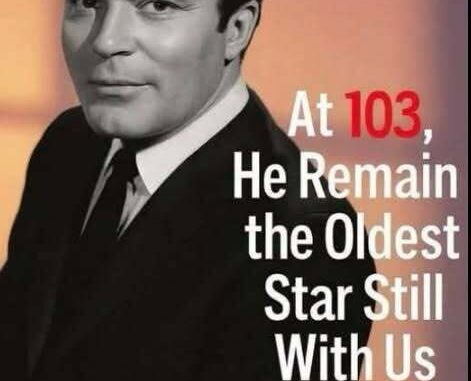
The entertainment world is constantly changing. New technologies, new platforms, and new generations of performers continue to reshape the way people experience music, film, television, and popular culture.
Yet some entertainers have careers that stretch across an extraordinary portion of that history. They began working when radio, live theater, traditional cinema, and big-band performances dominated popular culture and continued to remain connected to audiences as television, home video, digital media, and streaming transformed the industry.
Their careers are more than collections of performances. They offer a glimpse into how entertainment itself has evolved.
Careers That Began in Another Era
For entertainers who began their careers many decades ago, the world of show business looked very different from what audiences know today.
Radio was once one of the most important ways for performers to reach the public. Movie theaters were major social destinations, television was still becoming established in American homes, and musicians often relied on live orchestras, dance halls, records, and touring performances to build their reputations.
Artists who worked through these periods experienced enormous technological and cultural changes firsthand.
The transition from silent movies to sound films transformed acting and filmmaking. Television created entirely new opportunities for performers, while later developments in home video and cable television changed how audiences discovered older movies and shows.
Today, streaming platforms and social media have added another layer to that evolution.
For long-career entertainers, these changes represent several generations of entertainment history experienced from inside the industry.
The Legacy of the Big Band Era
Among the most fascinating examples are musicians associated with the big-band era.
During the 1930s and 1940s, large orchestras played an important role in American popular culture. Bands performed in ballrooms, theaters, hotels, and other venues while radio broadcasts allowed their music to reach audiences far beyond the location of a particular performance.
The era produced influential bandleaders, arrangers, singers, and instrumentalists whose work helped shape American popular music.
Although musical tastes have changed dramatically, the recordings and arrangements from this period remain important historical documents. They also continue to influence musicians who study earlier forms of jazz, swing, dance music, and orchestration.
For some surviving artists and musical organizations connected to that tradition, preserving the music has become an important part of their work.
Hollywood’s Golden Years
Classic Hollywood also produced performers whose work continues to attract audiences decades after their original releases.
Many actors and actresses who became well known during the middle decades of the 20th century worked across several formats. A performer might appear in a theatrical film, move into television, participate in radio programs, and later take part in interviews or documentary projects.
That flexibility became increasingly important as the entertainment business changed.
Films that once could only be seen in theaters eventually became available through television broadcasts, VHS tapes, DVDs, cable channels, and eventually streaming services.
As a result, an actor’s original audience is no longer necessarily the only audience that discovers their work.
A performance from decades ago can suddenly become popular with viewers who were not even born when the film was released.
Entertainment as a Record of History
Long careers can also provide an unusual perspective on American social and cultural history.
Entertainment does not exist separately from the society that produces it. Movies, music, television programs, and stage performances often reflect the values, fashions, technology, and concerns of their respective periods.
A performer who worked through several decades can therefore offer personal memories of enormous changes within the industry.
Their interviews can provide insight into how productions were organized, how performers promoted their work, how audiences responded to new forms of entertainment, and how working conditions changed over time.
In that sense, veteran entertainers can become informal historians of their professions.
Preserving Cultural Traditions
The preservation of entertainment history extends beyond Hollywood and popular music.
Many artists have spent their careers protecting traditional music, storytelling, dance, crafts, and other cultural practices.
This work can be particularly important when younger generations have fewer opportunities to experience traditional forms directly.
Performers who teach, document, record, or publicly present cultural traditions can help keep those practices visible.
Their contribution may not always receive the same attention as a successful movie or hit song, but cultural preservation can have a lasting impact.
It creates a connection between older traditions and future generations.
Adapting to a Changing Audience
One of the biggest challenges for any long-running entertainment career is adapting to changing audience expectations.
The way people discover performers today is dramatically different from how audiences encountered entertainers decades ago.
In earlier periods, newspapers, magazines, radio appearances, television interviews, and theatrical releases were among the primary ways stars connected with the public.
Today, social media, streaming platforms, podcasts, online interviews, and digital archives play a major role.
The basic goal remains the same: connect with an audience.
The methods, however, have changed almost completely.
Veteran entertainers who remain publicly active demonstrate how a career can evolve without necessarily abandoning the identity that made the performer successful in the first place.
Creativity Does Not Have a Fixed Deadline
Long careers also challenge the idea that creativity belongs exclusively to younger generations.
Artistic work can take many forms later in life. Some entertainers participate in interviews or documentaries, while others continue performing, recording music, appearing at public events, writing books, or supporting charitable organizations.
Not every veteran artist remains professionally active, of course. But those who do can demonstrate that creative interests can continue developing throughout a person’s lifetime.
Their experiences also provide younger performers with examples of careers built over decades rather than around a single moment of popularity.
Life Beyond Entertainment
The influence of veteran entertainers is not always limited to their professional achievements.
Some have used their public platforms to support charitable causes, educational initiatives, cultural preservation, veterans’ organizations, health-related awareness campaigns, or community projects.
These activities can become another part of a person’s public legacy.
For audiences, this can change the way an entertainer is remembered. Instead of being associated with only one movie, television program, album, or performance, the individual becomes connected to a much broader story.
Why Audiences Continue to Remember Them
Nostalgia is one reason classic entertainers continue to attract attention.
People often associate older movies, songs, and television programs with important periods of their own lives. Parents may introduce classic films to their children, while younger viewers may discover older performances through streaming platforms or social media clips.
This creates an interesting cycle.
A performance created decades ago can find an entirely new audience without the performer having to create something completely new.
Digital preservation has made this process even easier. Archives allow historical performances to remain accessible, while modern platforms can introduce those works to people who might otherwise never encounter them.
A Living Connection to Entertainment History
The most remarkable aspect of extremely long entertainment careers may be the sense of continuity they provide.
An entertainer who began working during the radio or classic studio era and later witnessed the rise of television, cable, home video, the internet, and streaming has experienced several distinct versions of the entertainment business.
Their careers can therefore be viewed as a bridge between different eras.
They remind audiences that today’s entertainment industry did not appear overnight. It developed through decades of experimentation, technological change, cultural shifts, and the contributions of countless performers.
Looking Toward the Future
The entertainment industry will continue to change.
Artificial intelligence, streaming, digital production, social media, and new forms of interactive entertainment are already changing how stories and performances reach audiences.
Future generations will likely experience transformations that are difficult to predict today.
The careers of long-standing entertainers offer one important lesson: change is a constant part of the creative world.
Technology may change. Distribution methods may change. Audience preferences may change. But storytelling, music, performance, and the desire to connect with other people remain central to entertainment.
For that reason, the contributions of veteran performers continue to matter.
Their work preserves pieces of the past while offering future generations a chance to understand how entertainment developed. Whether through classic films, historic recordings, television performances, stage appearances, or cultural traditions, these artists remain part of a much larger story—one that continues to evolve with every new generation.
Leave a Reply