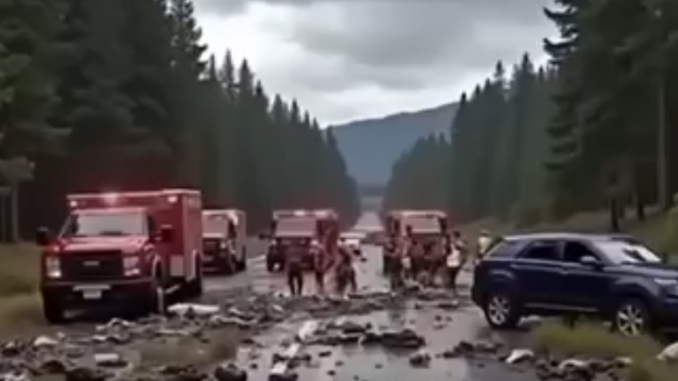
Banff National Park, situated in the Canadian Rockies, is renowned worldwide for its stunning mountain vistas, glacier-fed rivers, and diverse wildlife. Among its many celebrated features, Bow Glacier Falls stands out as a popular destination for hikers and nature enthusiasts. However, the rugged terrain that makes this park so captivating also carries inherent natural hazards, including rockslides, which can pose serious risks to visitors.
Rockslides are geological events where masses of rock detach from steep slopes or cliffs and move rapidly downhill. In mountainous regions like Banff National Park, these occurrences are part of the natural landscape evolution, influenced by factors such as weather patterns, freeze-thaw cycles, water infiltration, and erosion. While these events are natural, they can happen suddenly and without clear warning, underscoring the unpredictable nature of mountainous environments.
The area around Bow Glacier Falls attracts thousands of visitors annually, drawn by the opportunity to witness glacier formations, cascading waterfalls, and the surrounding alpine scenery. Hiking trails in this region offer immersive outdoor experiences but also pass through zones that may be susceptible to geological shifts. This duality between accessibility and natural risk necessitates careful management and visitor awareness.
When a rockslide occurs, it triggers an immediate response from park officials and emergency services. Rescue operations in such terrain are complex, often requiring specialized equipment and personnel trained for mountain rescue scenarios. The priority is to ensure visitor safety, provide aid to those affected, and secure the area to prevent further incidents. These efforts highlight the challenges of managing emergencies in remote and rugged locations.
Understanding the causes of rockslides can help visitors better appreciate the importance of adhering to safety guidelines. Changes in temperature can cause water to freeze and expand in rock cracks, gradually loosening rock fragments. Heavy rainfall or rapid snowmelt can saturate soil and rock layers, increasing instability. Over time, natural erosion reshapes the landscape and can make previously stable areas hazardous.
For those planning visits to Banff National Park and similar natural settings, it is essential to recognize that despite careful maintenance and monitoring, nature’s forces can create sudden dangers. Outdoor safety experts recommend following designated trails, observing posted signs and warnings, and staying informed about weather conditions. Paying attention to park advisories and avoiding restricted zones reduces exposure to potential hazards.
In addition to natural threats like rockslides, visitors should remain aware of other environmental risks common in mountainous regions, such as avalanches, flash floods, and rapidly changing weather. Preparing adequately, carrying appropriate gear, and having a plan for emergencies can significantly enhance safety during outdoor activities.
The community response to incidents involving natural hazards often reflects a balance of respect for nature’s power and a shared commitment to safety and preservation. Public conversations around such events usually emphasize the importance of education, preparedness, and responsible recreation. They also reinforce the value of national parks as treasured spaces that require ongoing stewardship to maintain both visitor access and environmental integrity.
Banff National Park’s management continually works to monitor geological conditions and update safety protocols. This includes employing technology and expert assessments to identify areas at higher risk, implementing trail closures when necessary, and providing educational resources to visitors. These measures aim to minimize risks while allowing people to enjoy the park’s unique landscapes.
Looking forward, investigations into rockslide events contribute valuable insights that inform future safety strategies. Understanding the specific environmental and geological factors involved helps park authorities refine their approaches to hazard mitigation and emergency response. Meanwhile, visitors are encouraged to stay informed, respect nature’s unpredictability, and take personal responsibility for their safety.
In conclusion, the occurrence of rockslides near popular sites such as Bow Glacier Falls serves as a powerful reminder of the natural forces shaping Banff National Park’s environment. While these events are rare, their impact on visitors and the broader community underscores the need for continued vigilance, education, and cooperation between park officials and the public. By fostering awareness and preparedness, it is possible to enjoy the remarkable beauty of mountainous wilderness areas while respecting the inherent risks they present.
Emergency Preparedness and Response in National Parks
Effective emergency preparedness is crucial in national parks like Banff, where natural hazards such as rockslides can occur with little warning. Park authorities collaborate closely with local emergency services, including search and rescue teams, medical personnel, and law enforcement, to establish protocols that ensure rapid response. Regular training exercises simulate various emergency scenarios to improve coordination and readiness among responders.
Technological advancements have also enhanced emergency response capabilities. The use of GPS tracking, drones for aerial assessments, and real-time communication tools allows teams to quickly locate individuals in distress and evaluate the extent of hazards. These resources help reduce response times and improve the safety outcomes for visitors.
Visitor Education and Outreach
Educating visitors about the risks associated with mountain environments forms a cornerstone of safety efforts in Banff National Park. Park authorities provide information through multiple channels, including visitor centers, signage along trails, websites, and social media platforms. These resources often include detailed descriptions of potential natural hazards, recommended safety practices, and updates on trail conditions or closures.
Outreach programs sometimes involve partnerships with outdoor clubs, schools, and community organizations to promote awareness and responsible recreation. By fostering a culture of safety and respect for natural processes, these initiatives aim to empower visitors to make informed decisions and reduce the likelihood of accidents.
Environmental Monitoring and Research
Continuous environmental monitoring plays a vital role in identifying areas prone to rockslides and other geological events. Scientists and park staff employ various methods such as remote sensing, geological surveys, and installation of monitoring equipment like inclinometers and seismographs to detect ground movement.
Research conducted in Banff and similar parks contributes to a broader understanding of mountain geomorphology and the impact of climate change on geological stability. For example, warming temperatures can accelerate glacier retreat and alter water infiltration patterns, potentially increasing the frequency of rockslides. Sharing these findings with the public and scientific community supports adaptive management strategies and enhances overall safety.
The Role of Climate Change
Climate change is an emerging factor influencing the dynamics of mountainous landscapes. Rising temperatures can intensify freeze-thaw cycles, destabilize slopes previously held together by permafrost, and increase precipitation variability. These changes may alter the frequency and severity of rockslides and other natural hazards in national parks.
While it is difficult to attribute any single event directly to climate change, ongoing monitoring and research help park managers anticipate shifts in hazard patterns. This proactive approach assists in updating safety guidelines, adjusting trail maintenance practices, and informing visitors about evolving risks.
Visitor Responsibility and Ethical Considerations
Visitors to Banff National Park and similar environments carry a personal responsibility to prioritize safety and environmental stewardship. This includes respecting all posted advisories, avoiding off-trail travel in sensitive or hazardous areas, and reporting unusual conditions to park authorities.
Ethical outdoor recreation also involves minimizing human impact on fragile ecosystems. Staying on designated trails helps preserve vegetation and prevent erosion, which can contribute to slope instability. Responsible behavior supports the dual goals of visitor safety and long-term conservation.
Balancing Access and Safety: Park Management Challenges
Managing a popular and expansive natural area like Banff National Park requires balancing public access with safety and preservation. Trail closures and restrictions are sometimes necessary to protect visitors from hazards but can be met with disappointment from the public.
Park officials engage in ongoing dialogue with stakeholders—including indigenous communities, outdoor recreation groups, and conservation organizations—to develop policies that reflect diverse interests. Transparent communication about risks and management decisions helps build public trust and encourages cooperation.
Incorporating Traditional Knowledge
Indigenous peoples have long-standing relationships with the lands now designated as national parks, offering valuable insights into environmental patterns and seasonal changes. Incorporating traditional ecological knowledge into park management can enhance understanding of natural hazards and inform culturally sensitive safety practices.
Collaborations with indigenous communities contribute to more holistic approaches to land stewardship, combining scientific data with generations of experiential knowledge.
Psychological Impact and Community Support
Natural disasters and accidents in beloved recreational areas can have lasting psychological effects on survivors, witnesses, and the broader community. Park authorities and local organizations often provide support services, including counseling and outreach, to help individuals cope with trauma.
Community solidarity and remembrance activities also play a role in healing. These may include memorials, educational campaigns, and public forums that foster resilience and reinforce the shared commitment to safety and conservation.
Lessons for Outdoor Enthusiasts
The incident near Bow Glacier Falls highlights several key takeaways for anyone engaging with wilderness environments:
- Always plan ahead by researching current trail conditions and weather forecasts.
- Carry appropriate gear, including navigation tools, first aid supplies, and communication devices.
- Inform someone about your itinerary and expected return time.
- Stay alert to environmental cues such as unusual sounds or rock movements.
- Prioritize safety over reaching a destination, turning back if conditions seem unsafe.
By embracing these practices, outdoor enthusiasts can better enjoy natural spaces while mitigating risks.
Conclusion: A Shared Commitment to Safety and Preservation
The natural beauty of Banff National Park draws millions each year, offering unparalleled experiences in mountain landscapes shaped by dynamic geological processes. Incidents like the rockslide near Bow Glacier Falls underscore the importance of understanding and respecting these environments.
Through continued collaboration among park authorities, scientists, indigenous communities, emergency responders, and visitors, it is possible to enhance safety measures while preserving the park’s ecological integrity. Educating the public, investing in monitoring and response capabilities, and fostering responsible recreation are essential components of this ongoing effort.
Ultimately, enjoying the wonders of Banff National Park comes with the responsibility to remain informed, vigilant, and respectful of nature’s power and unpredictability. This shared commitment helps ensure that future generations can safely experience and cherish these remarkable landscapes.
The Importance of Collaborative Research and Innovation
Advancing the understanding of rockslides and related geological hazards requires collaborative research efforts that bridge multiple disciplines. Geologists, climatologists, ecologists, and engineers contribute diverse expertise to study the complex interactions driving slope instability in mountainous regions. Partnerships between academic institutions, government agencies, and park management enhance data collection and analysis, facilitating the development of innovative prevention and mitigation strategies.
Innovative technologies such as remote sensing, machine learning, and real-time monitoring systems are increasingly applied to predict and detect early signs of rockslides. These tools can analyze vast datasets to identify patterns and anomalies that may precede hazardous events, providing valuable lead time for warnings and preventive actions. Continued investment in research and technology integration is essential to improve the resilience of natural areas and the safety of their visitors.
The Role of Visitor Preparedness Training
In addition to passive safety measures like signage and monitoring, active visitor preparedness training plays a vital role in risk reduction. Some national parks offer workshops, guided tours, and informational sessions aimed at educating visitors about wilderness safety, hazard recognition, and emergency response techniques. These programs empower individuals to make informed decisions, respond effectively to unexpected situations, and assist others if needed.
For frequent outdoor enthusiasts, advanced training in wilderness first aid, navigation, and survival skills can further enhance safety. Encouraging participation in such educational opportunities helps build a community of responsible users who contribute to safer park environments.
Integrating Safety Education into School Curricula
Incorporating outdoor safety and environmental education into school programs fosters early awareness and respect for natural hazards. By teaching students about mountain ecosystems, geological processes, and responsible recreation practices, educators lay the foundation for a lifelong appreciation of wilderness areas and their inherent risks.
Such curricula can include experiential learning through field trips, interactive modules, and collaboration with park educators. Early exposure to these topics helps cultivate a culture of preparedness and environmental stewardship among future generations.
Economic and Social Dimensions of Park Safety
Ensuring visitor safety in national parks like Banff also has economic and social implications. Parks contribute significantly to local economies through tourism-related employment, services, and commerce. Maintaining a reputation for safety is important for sustaining visitor numbers and community well-being.
Conversely, incidents involving natural hazards can impact public perception and lead to temporary disruptions in access or activities. Transparent communication about risks, safety measures, and incident responses helps maintain public trust and supports the ongoing vitality of park communities.
Involving Local Communities in Safety Initiatives
Local residents and businesses often have intimate knowledge of the surrounding environment and play a critical role in supporting safety initiatives. Engaging community members in volunteer programs, hazard reporting, and educational outreach strengthens the park’s capacity to manage risks effectively.
Community involvement also fosters a sense of shared responsibility and connection to the park, enhancing resilience and collaborative problem-solving when challenges arise.
Ethical Considerations in Emergency Response
Responding to emergencies in natural settings involves ethical considerations related to resource allocation, risk to responders, and respect for the environment. Park authorities and emergency teams must balance the imperative to save lives with the potential hazards posed to rescue personnel and the ecological sensitivity of the area.
Protocols are developed to guide decision-making in complex scenarios, ensuring that responses are conducted safely, efficiently, and with minimal environmental impact. Training and ethical guidelines help responders navigate these challenges while prioritizing human life and ecological preservation.
Long-Term Legacy of Rockslide Events
Events such as the rockslide near Bow Glacier Falls leave a lasting legacy beyond their immediate impact. They contribute to evolving knowledge about landscape dynamics, influence park management policies, and shape public attitudes toward nature and safety.
Commemorative efforts, such as interpretive displays or memorial sites, can provide educational value and honor those affected. These legacies reinforce the importance of vigilance and respect for natural forces, encouraging ongoing dialogue and continuous improvement in safety practices.
Reader Takeaways
Visitors to mountainous national parks should recognize that natural beauty and risk coexist. Preparedness, awareness, and adherence to safety guidance are essential to enjoying these environments responsibly.
Understanding the scientific and community efforts behind hazard management can enhance appreciation for the complexities involved in park stewardship. By supporting research, education, and collaborative initiatives, visitors contribute to safer and more sustainable outdoor experiences.
Ultimately, respecting the power of nature and embracing a proactive approach to safety ensures that national parks like Banff remain treasured destinations for generations to come.
Leave a Reply