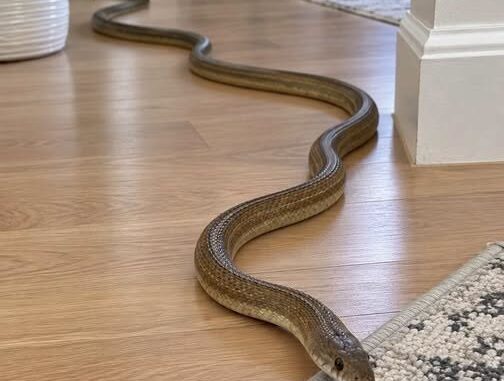
Discovering a snake inside your living space is a jarring experience that can trigger immediate panic. Whether the intruder is coiled near an entryway, tucked behind furniture, or moving quietly along a hallway, the sudden disruption of your home’s security demands quick thinking. However, when dealing with unexpected wildlife indoors, the most effective initial response is often counterintuitive: stop, create distance, and remain calm.
Understanding how to manage an indoor snake encounter safely protects your household from unnecessary risks while ensuring the animal is removed humanely and efficiently.
1. Prioritize Distance and Avoid Direct Confrontation
The primary goal during an indoor snake encounter is not to capture or corner the animal, but to prevent a defensive reaction. Snakes generally avoid human interaction and only strike when they feel trapped or threatened. An indoor snake is frequently confused, seeking shelter, food, or an exit.
-
Step Back Slowly: Avoid making sudden movements, shouting, or attempting to chase the animal with household items like brooms or sticks.
-
Resist the Urge to Identify or Handle: Attempting to get closer to inspect skin patterns or determine whether the species is venomous increases bite risks. Even experienced wildlife handlers exercise extreme caution, as stress can impair judgment and visual identification can be deceiving.
-
Isolate the Room: If the snake is in a single room and you can do so safely without approaching it, close interior doors to contain the animal until professional help arrives.
2. Protect Children and Pets Immediately
Children and household pets are naturally curious and may move toward an unfamiliar animal rather than retreating. A barking dog or an inquisitive child can easily startle a snake into a defensive posture.
-
Relocate Household Members: Gently but firmly move children and pets into a secure, separate room or outside the residence.
-
Do Not Rely on Verbal Warnings: Young children or active pets may wander back into the area. Physical containment in a safe zone is essential until the situation is completely resolved.
3. Contact Professional Wildlife Control
Unless a non-venomous snake has a direct, unimpeded exit path through an open exterior door, attempting home-spun removal techniques can lead to injury. Professional wildlife control officers and pest management experts possess specialized equipment—such as snake tongs, hooks, and secure transport containers—to manage the situation safely.
If a snake bite does occur, seek emergency medical assistance immediately. Do not attempt traditional first-aid myths such as cutting the skin or applying tourniquets. Keep the victim calm and still while waiting for medical personnel.
4. Identify Why the Snake Entered Your Home
Once the immediate threat is handled, it is crucial to investigate the underlying factors that attracted wildlife indoors. Snakes enter structures primarily in search of three things: shelter, moderate temperatures, and prey.
-
Check for Rodent Activity: Rodents like mice and rats are a primary food source for many snake species. Signs of rodents—such as droppings, gnawed packaging, or scratching noises in walls—indicate an ecosystem that will naturally attract predators. Addressing a rodent problem is one of the most effective ways to reduce snake encounters.
-
Inspect Foundation and Entry Points: Examine your home’s perimeter for small structural gaps. Check weather stripping beneath exterior doors, openings around utility pipes, unsealed vents, damaged window screens, and gaps near garage doors.
5. Implement Long-Term Home and Yard Prevention
Preventing future wildlife encounters requires basic exterior maintenance to make your property less attractive to pests.
| Area of Concern | Recommended Action |
| Doorways & Windows | Replace worn door sweeps and repair torn window screens. |
| Utilities & Plumbing | Seal gaps around outdoor pipe penetrations with durable materials like copper mesh or silicone caulk. |
| Landscaping & Lawn | Keep grass trimmed and prune dense vegetation away from the exterior foundation. |
| Yard Storage | Store firewood, lumber, and outdoor equipment elevated off the ground and away from exterior walls. |
By turning a frightening moment into a practical home maintenance plan, you can significantly lower the chances of future indoor wildlife visits while maintaining a safe, secure environment for your family.
Leave a Reply