Shrimp are a favorite ingredient in kitchens around the world. They cook quickly, work well in everything from pasta and stir-fries to salads and soups, and can be prepared in countless ways.
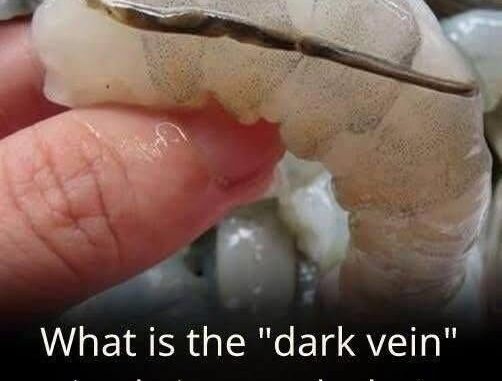
But if you’ve ever cleaned shrimp yourself, you may have noticed a thin dark line running along the back.
It’s commonly called a shrimp’s “vein.”
But here’s the surprising part: it isn’t actually a vein.
So what is it, and do you really need to remove it?
What Is the Dark Line?
The dark line running along the back of a shrimp is its digestive tract, sometimes called the intestinal tract.
The culinary term “vein” is simply a long-standing kitchen expression. Unlike a human vein, this structure isn’t a blood vessel.
Because the digestive tract can contain food particles or other digestive material, cooks often remove it before preparing shrimp.
Its appearance can vary. In some shrimp, it’s clearly visible as a dark line. In others, it’s pale, thin, or barely noticeable.
Several factors can affect how visible it is, including the shrimp’s species, size, diet, and how it has been processed.
Why Is It Called a “Vein”?
The name comes largely from appearance.
When the shrimp is viewed from above, the digestive tract looks like a narrow line running along its back. Over generations, cooks began referring to it as the “vein,” and the term became common in recipes and kitchens.
That’s why instructions to “devein” shrimp don’t actually mean removing a blood vessel.
They’re referring to removing the digestive tract.
Do You Have to Remove It?
Not necessarily.
Removing the digestive tract is often a matter of personal preference, appearance, and texture rather than an absolute requirement.
Some cooks prefer to remove it because cleaned shrimp look more attractive, particularly when they’re being served whole or displayed prominently in a dish.
Others remove it because they don’t like the possibility of encountering digestive material or a gritty texture.
Some people simply leave it in place.
The important point is that removing the “vein” isn’t what makes shrimp safe to eat. Proper storage, handling, and cooking are much more important from a food-safety perspective.
Why Can It Look So Dark?
The digestive tract may contain material from the shrimp’s recent meals. As a result, it can sometimes appear brown, gray, greenish, or nearly black.
The color alone doesn’t necessarily mean the shrimp has spoiled.
However, you should pay attention to the overall condition of the seafood.
Shrimp that have a strong unpleasant odor, unusual texture, excessive sliminess, or other obvious signs of spoilage should be discarded rather than eaten.
When you’re uncertain about seafood quality or storage, it’s safest to avoid taking chances.
Why Do Restaurants Often Remove It?
Presentation is one major reason.
Restaurants generally want seafood to look clean and appealing when it reaches the table. Removing the visible digestive tract can give shrimp a more uniform appearance.
It can also improve the texture in cases where the tract contains noticeable material.
But don’t assume that a shrimp served with the digestive tract intact is automatically unsafe. The cleaning step is often about presentation and preference.
How Do You Remove It?
If you purchase shrimp that haven’t already been cleaned, removing the digestive tract is relatively simple.
Place the shrimp on a clean preparation surface. If necessary, remove the shell according to your recipe.
Using a small, clean knife, make a shallow cut along the back of the shrimp. If the digestive tract is visible, gently lift it out with the tip of the knife or another suitable seafood-cleaning tool.
After cleaning, continue with your recipe and wash your hands, utensils, and preparation surfaces appropriately after handling raw seafood.
If you’re using pre-cleaned shrimp, you may not need to do this step at all.
What About the Line on the Underside?
Shrimp have other anatomical structures that can sometimes be visible, including a tract along the underside.
This can occasionally cause confusion because people assume every visible line must be the same “vein.”
The structure most cooks are talking about when they say “devein the shrimp” is the digestive tract along the back.
Whether additional cleaning is necessary depends on the shrimp and the recipe.
Fresh and Frozen Shrimp
Both fresh and frozen shrimp can be convenient choices.
With either option, proper storage is important.
Keep shrimp appropriately refrigerated or frozen and follow the storage instructions on the package. Frozen shrimp should be thawed safely rather than left sitting at room temperature for an extended period.
When transporting seafood home, keeping it cold helps maintain its quality.
Raw shrimp should also be kept separate from foods that are ready to eat to reduce the risk of cross-contamination.
Does Removing the Vein Improve the Flavor?
For many people, the main difference is appearance rather than flavor.
Removing the digestive tract can sometimes eliminate a slightly gritty texture if material is present, but it doesn’t necessarily produce a dramatic change in taste.
That’s another reason why some cooks consider deveining optional.
Your decision may simply depend on the size of the shrimp, how they’re being served, and your personal preference.
What Should You Look for When Buying Shrimp?
Good preparation starts at the store.
When purchasing shrimp, choose products that have been properly refrigerated or frozen. Fresh shrimp should generally have a mild seafood smell rather than a strong, unpleasant odor.
The flesh should look reasonably firm and moist, not excessively slimy or deteriorated.
For packaged or frozen shrimp, check that the packaging is intact and that the product has been stored appropriately.
If the package appears damaged or the shrimp show signs of improper thawing or storage, consider choosing another product.
Safe Handling Matters
Because raw seafood is perishable, careful handling is important.
Keep shrimp cold until you’re ready to prepare them. Avoid leaving raw seafood at room temperature for prolonged periods.
Use clean utensils and preparation surfaces, and keep raw shrimp away from foods that won’t be cooked.
After handling raw seafood, clean your hands and any surfaces or equipment that came into contact with it.
These basic precautions are more important for food safety than whether the digestive tract has been removed.
How Should Shrimp Be Cooked?
Shrimp should be cooked thoroughly.
As they cook, they generally change from translucent to opaque and become firmer.
Because shrimp vary in size and cooking conditions, relying solely on a particular cooking time or appearance isn’t always reliable. A food thermometer can provide a more dependable way to check whether seafood has reached a safe internal temperature.
Avoid overcooking as well. Shrimp can quickly become tough and rubbery when exposed to excessive heat.
Why Do Shrimp Curl When Cooked?
You may have noticed shrimp changing shape as they cook.
This happens because heat causes their muscles to contract.
Some curling is completely normal. However, shrimp that curl extremely tightly can sometimes indicate that they’ve been cooked longer than necessary.
The goal is tender, properly cooked shrimp rather than a dry or rubbery texture.
Does Every Shrimp Have a Visible “Vein”?
No.
The digestive tract can look very different depending on the species and size of the shrimp.
In larger shrimp, it may be easy to see. In smaller shrimp, it can be extremely difficult to notice.
That’s why one package may contain shrimp with prominent dark lines while another appears to have almost none.
What If You Accidentally Eat It?
There’s generally no reason to panic simply because you ate shrimp without removing the digestive tract.
The presence of the digestive tract alone doesn’t automatically mean the shrimp was unsafe.
Food safety depends much more on whether the shrimp were stored, handled, and cooked properly.
If the seafood had obvious signs of spoilage, however, that’s a separate concern and shouldn’t be ignored.
What About Shellfish Allergies?
Shrimp are shellfish, and shellfish can cause allergic reactions in some people.
Anyone with a known shellfish allergy should follow their healthcare professional’s advice and avoid shrimp when instructed to do so.
If someone develops signs of a severe allergic reaction after eating shrimp or another shellfish, emergency medical attention should be sought immediately.
The Bottom Line
The mysterious dark line in shrimp isn’t really a vein. It’s the animal’s digestive tract, and the familiar term “deveining” is simply a culinary expression.
Removing it can improve appearance and, in some cases, texture, but it isn’t automatically required for every shrimp.
What matters most is choosing good-quality seafood, keeping it properly chilled, preventing cross-contamination, and cooking it thoroughly.
So the next time you see that dark line on a shrimp, you’ll know what you’re looking at—and you can decide whether to remove it based on your recipe and personal preference.
Leave a Reply