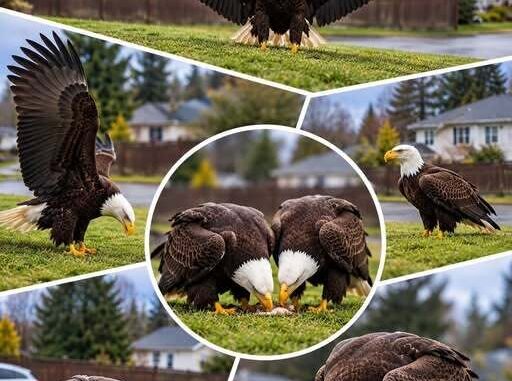
The Rio Grande Valley is far more than a backdrop for an unusual wildlife sighting. Located in the southernmost part of Texas, the region contains a remarkable mixture of habitats and lies within an important transition zone between different ecological environments.
That geographic position helps explain why the area supports such a wide variety of plants and animals.
For birdwatchers, researchers, conservationists, and nature enthusiasts, the Rio Grande Valley is particularly significant because it provides habitat for both resident species and birds moving through the region during seasonal migrations.
An unusual wildlife encounter can attract attention for a few days or weeks, but the larger story is often the landscape itself. The habitats that support one remarkable animal may also provide food, shelter, breeding areas, and migration routes for hundreds of other species.
A Region Where Habitats Meet
South Texas sits at an ecological crossroads.
The Rio Grande forms a natural boundary between Texas and Mexico, while the surrounding landscape includes wetlands, brushlands, forests, agricultural areas, coastal environments, and open spaces.
This mixture creates a wide range of conditions for wildlife.
Different species require different habitats. Some birds depend on wetlands for feeding and resting, while others need dense vegetation or woodland areas. Open landscapes provide opportunities for species that hunt or forage across larger areas.
Because these environments occur relatively close to one another, the region can support an unusually diverse collection of wildlife.
The Rio Grande itself also contributes to the ecological character of the area. Vegetation along waterways can provide important cover and food for birds and other animals moving through the landscape.
For migratory species, these habitats can be especially valuable.
An Important Stop for Migrating Birds
Bird migration is one of the most remarkable natural events occurring across North America.
Many birds travel hundreds or thousands of miles between breeding and wintering grounds. During these journeys, they need places where they can stop to rest and find food.
Texas occupies an important position along several migration routes.
For birds moving between North and Central or South America, the state can provide opportunities to replenish energy before continuing their journeys.
The Rio Grande Valley is particularly interesting because of its location near the southern end of Texas and its proximity to Mexico.
During migration seasons, birds can be observed moving through a variety of local habitats.
Some may remain only briefly.
Others may spend longer periods in the region if suitable food and shelter are available.
This makes habitat preservation especially important.
A small patch of vegetation might appear insignificant to a person driving past it, yet it can provide food or shelter for a migrating bird that has traveled a considerable distance.
Why Connected Habitats Matter
Wild animals rarely experience the landscape in the same way humans do.
A road, housing development, shopping center, or agricultural field may divide areas that once formed a continuous habitat.
For people, these changes can appear manageable.
For wildlife, however, fragmentation can create barriers between feeding, nesting, and resting areas.
Large birds of prey may need considerable space to find food and establish territories. Other species may depend on connected vegetation along waterways or between protected areas.
Maintaining habitat corridors can therefore help wildlife move between locations.
Connectivity does not mean that every part of the landscape must remain untouched.
Instead, it means preserving enough suitable habitat and natural connections for animals to move, feed, reproduce, and respond to seasonal changes.
This is particularly important in regions where development pressure is increasing.
A Remarkable Bird Can Draw Attention to a Larger Issue
People naturally become interested when they encounter an unusually large, rare, or visually striking bird.
A dramatic photograph can spread quickly online, bringing thousands of people into a conversation about a species they may never have encountered before.
That attention can be useful if it encourages people to learn more about the environment where the animal was observed.
Rather than focusing exclusively on one bird, public interest can introduce people to the broader ecological community around it.
What other species live nearby?
What habitats do they depend on?
Which areas are protected?
How do seasonal migrations affect local wildlife?
What challenges do animals face as roads, buildings, and other developments expand?
These questions can turn a short-lived wildlife story into a broader discussion about conservation.
Education Can Turn Curiosity Into Understanding
Wildlife encounters often provide excellent opportunities for education.
Schools, nature centers, parks, and conservation organizations can use local species to teach students about ecosystems, migration, food webs, and habitat protection.
Bird observation projects can be particularly accessible.
Students do not necessarily need expensive equipment to begin observing wildlife. Binoculars, field guides, photography, and simple observation records can help young people learn how to identify species and understand seasonal patterns.
Over time, these activities can also contribute to citizen-science projects, where observations collected by members of the public help researchers understand where and when species occur.
The value goes beyond identifying a particular bird.
Young people can learn how different species depend on one another and why protecting habitat benefits entire ecosystems.
Wildlife Tourism Can Support Local Communities
The Rio Grande Valley already attracts birdwatchers and nature enthusiasts because of its biodiversity and geographic location.
Wildlife tourism can contribute to local economies when visitors spend money on accommodation, restaurants, transportation, guided tours, equipment, and other services.
Birdwatchers may travel significant distances to see species that are uncommon in their home regions.
That creates opportunities for local businesses and professional guides.
Nature tourism can also encourage communities to recognize the economic value of maintaining healthy habitats.
When visitors come specifically to experience wildlife and natural landscapes, conservation and tourism can become connected.
However, wildlife tourism needs to be managed carefully.
More visitors are not automatically better for the animals being observed.
Respecting Wildlife Comes First
An unusual wildlife sighting can generate enormous curiosity.
People may want to approach the animal, photograph it, follow it, or share its exact location online.
That behavior can become problematic if too many people gather in a sensitive area.
Nesting birds, feeding animals, and wildlife raising young can be particularly vulnerable to disturbance.
Getting too close may cause an animal to abandon an area temporarily or alter its behavior.
For this reason, responsible wildlife observation generally means maintaining an appropriate distance, following local regulations, staying on designated paths where required, and avoiding actions that encourage animals to change their natural behavior.
Photographers and birdwatchers can still enjoy remarkable encounters without approaching too closely.
In many cases, patience and a good pair of binoculars provide a better experience than trying to get as close as possible.
Conservation Is About More Than One Species
One of the most important lessons from an unusual wildlife encounter is that individual animals exist within larger ecosystems.
Protecting habitat for one bird can benefit insects, reptiles, mammals, plants, and countless other organisms that share the same environment.
A wetland, for example, is not simply a place where birds stop during migration.
It can also provide habitat for fish, amphibians, insects, plants, and microorganisms.
Likewise, native vegetation along a river can provide shelter for birds while helping support a much broader ecological network.
This is why conservation efforts often focus on habitats rather than individual animals alone.
Protecting the landscape can provide benefits to many species simultaneously.
The Rio Grande Valley’s Future Depends on Its Habitats
As communities grow and land use changes, maintaining wildlife habitat can become increasingly challenging.
Development can reduce the amount of natural vegetation.
Roads can divide previously connected areas.
Changes in water availability can affect wetlands and river habitats.
Invasive plants can alter local ecosystems.
Climate conditions can also influence where species can find suitable food and shelter.
These challenges do not mean that wildlife and human communities cannot coexist.
They do mean that thoughtful planning becomes increasingly important.
Preserving natural areas, maintaining habitat corridors, restoring degraded landscapes, and encouraging responsible outdoor recreation can all contribute to a healthier environment.
The goal is not necessarily to prevent all development.
It is to understand how development interacts with the natural systems that already exist.
A Wildlife Sighting Can Become a Conservation Story
The excitement surrounding an unusual bird may eventually fade as the animal moves on and public attention shifts elsewhere.
The landscape, however, remains.
The forests, wetlands, river corridors, grasslands, and brush habitats continue supporting wildlife long after a particular photograph disappears from social media feeds.
That is why an unexpected wildlife encounter can be more meaningful than it first appears.
It can encourage people to explore the natural areas around them.
It can introduce children to birdwatching.
It can bring visitors to local conservation centers.
It can support businesses that depend on responsible nature tourism.
And it can remind people that extraordinary wildlife does not exist in isolation.
The Rio Grande Valley’s importance comes from the entire network of habitats and species that make the region their home or temporary stopping point.
Protecting those connections helps ensure that birds can continue migrating, wildlife can continue moving through the landscape, and future generations can experience the same remarkable diversity.
An unusual bird may capture attention for a moment.
The real story is the ecosystem that made its presence possible.
Leave a Reply