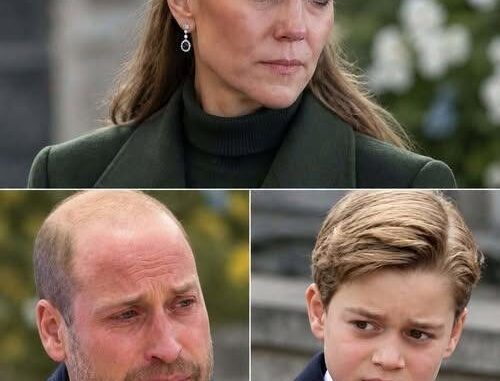
A short exchange involving Catherine, Princess of Wales, during a cancer charity reception offered a personal glimpse into an otherwise formal evening.
According to reports about the June 2, 2026, reception at St James’s Palace, musician Ronan Keating mentioned that he wished Prince William could have been there. Catherine reportedly responded simply, “Me too.”
The brief comment was not presented as a formal statement about their relationship. Instead, it appeared to reflect an ordinary wish for a loved one’s presence during an evening connected to a cause with particular personal significance.
An Evening Focused on Cancer Research
The reception brought together people connected with cancer research, advocacy, and support. For Catherine, the subject has inevitably carried personal meaning since she publicly announced in March 2024 that she was undergoing treatment for cancer.
She later announced that she had completed chemotherapy in September 2024 and shared in January 2025 that she was in remission.
Her experience has also influenced the way she has spoken about health and recovery. Rather than presenting treatment as a simple or predictable process, she has acknowledged that recovery can involve both physical and emotional challenges.
That background provides important context for her appearance at an event focused on cancer-related work.
A Simple Comment With Personal Meaning
Catherine’s reported response to Ronan Keating was only two words, but its significance comes partly from its simplicity.
There was no lengthy explanation or public discussion of her marriage. She simply indicated that she also wished William had been able to attend.
William was carrying out other official duties at the time, meaning the couple were participating in separate engagements.
For people watching from outside the royal family, a brief exchange like this can offer a small glimpse into an otherwise private aspect of public life: the importance of having someone familiar nearby during meaningful occasions.
It is important, however, not to read more into the remark than the account supports. A short conversation cannot provide a complete picture of a private relationship.
Another Conversation About Compassion
The evening also reportedly included a conversation involving Sebastien Bowen, husband of the late cancer campaigner Dame Deborah James.
Bowen expressed appreciation for William’s support and kindness toward his family. James became widely known for raising awareness about bowel cancer and encouraging people to discuss symptoms and seek medical advice.
Her public work continued to influence cancer awareness even after her death, and her family’s connection with the Prince of Wales has remained part of that wider story.
The conversation therefore added another personal dimension to an event that was already centered on the human impact of cancer.
Why Small Moments Can Matter
Public appearances involving members of the royal family are usually carefully planned. Speeches, photographs, official meetings, and scheduled conversations can make such occasions feel highly formal.
That is why brief unscripted remarks can sometimes attract attention.
Catherine’s reported comment did not reveal a dramatic development or provide new information about her private life. Instead, it conveyed something much more ordinary: the wish to have a partner present during an important occasion.
That sentiment can be understood without turning it into a larger claim about the couple’s marriage.
A Personal Connection to a Public Cause
For Catherine, cancer research is not simply an abstract public issue.
Her own experience with treatment has given her a personal connection to conversations about diagnosis, recovery, research, and the support available to patients and families.
At the same time, her public role requires her to approach these subjects through official engagements and charitable work.
The reception brought those two aspects of her life together. She was attending as a senior member of the royal family and as someone whose own experience has made the subject particularly meaningful.
The Importance of Support During Illness
Illness can affect far more than the person receiving treatment. Partners, children, relatives, friends, and wider communities can all experience uncertainty and emotional strain.
Support can take many forms, from practical assistance to simply being present.
That makes the reported exchange between Catherine and Ronan Keating especially relatable. Her response did not need to explain the details of her experience. It simply acknowledged that she would have appreciated William being there.
Similarly, Bowen’s reported appreciation for William reflects another aspect of support: remembering kindness received during a difficult period.
Keeping the Moment in Perspective
The appeal of this story lies in its modesty.
There was no major announcement contained in Catherine’s response, and the comment should not be treated as evidence of anything beyond what was actually said.
Instead, it provides a small human moment within a much larger public event.
Catherine’s experience with cancer has placed aspects of her personal life under considerable public attention. Even so, much of family life remains private, and a brief exchange should not be used to construct a complete narrative about it.
What can reasonably be taken from the occasion is simpler.
An important evening brought together people connected by experiences of cancer, research, advocacy, and support. Catherine acknowledged that she wished William could have joined her, while another guest expressed gratitude for the compassion William had shown to his family.
Together, those moments placed companionship and kindness at the center of the evening.
Sometimes, the most meaningful parts of a public event are not lengthy speeches or major announcements. They are the small expressions of support that remind us that behind public roles and official responsibilities are people navigating many of the same emotions as everyone else.
Leave a Reply