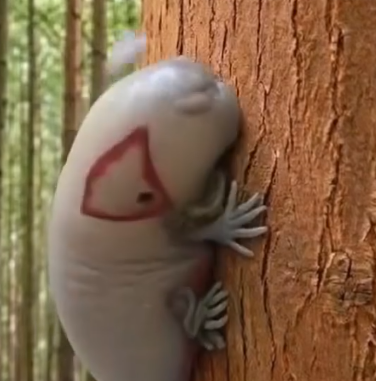
Nature has a wonderful way of surprising us when we least expect it. A simple walk through a park, a quiet afternoon in the garden, or a stroll after the rain can become memorable when an unfamiliar animal suddenly appears.
It might be a colorful insect resting on a flower, a frog hiding near a damp pathway, or a bird searching for food beneath a tree. These unexpected moments remind us that wildlife exists all around us, even in places we often consider ordinary.
By observing these creatures with curiosity and respect, we can discover more about the natural world and learn why even the smallest animals matter.
The Beauty of Unexpected Discoveries
Everyday routines sometimes prevent us from noticing the wildlife living nearby. However, an unusual sight or unfamiliar sound can quickly capture our attention.
We may begin wondering what an animal is, where it lives, what it eats, and why it has appeared in that particular location. These simple questions can encourage us to explore nature more carefully.
A remarkable wildlife encounter does not have to involve a rare species. Sometimes, discovering a tiny creature in our own backyard can be just as fascinating as spotting a large animal in the wilderness.
Why Unfamiliar Animals Catch Our Attention
People naturally feel curious when they encounter something they do not recognize. An animal’s unusual appearance, distinctive colors, or unexpected movements may immediately attract attention.
However, unfamiliarity does not automatically mean danger. Some creatures may look intimidating but are harmless, while others require careful handling or should never be approached.
The safest response is to remain calm, keep a reasonable distance, and avoid touching the animal. If identification is necessary, consult a reliable wildlife guide or local expert.
Understanding what we see helps replace unnecessary fear with informed curiosity.
Small Creatures Play Important Roles
Even the tiniest animals contribute to the health of our environment.
Bees, butterflies, and other pollinators help plants reproduce. Earthworms and other soil organisms contribute to nutrient cycling, while spiders and predatory insects feed on smaller animals. Birds and many other wildlife species depend on these creatures for food.
These relationships form interconnected food webs that help ecosystems function.
Although some animals may become pests or create safety concerns, understanding their behavior can help us decide how to respond appropriately rather than removing them unnecessarily.
Gardens Can Become Wildlife Habitats
A garden is more than a place for flowers and decorative plants. It can also provide food, shelter, and breeding spaces for numerous species.
Flowering plants attract pollinators, shrubs offer protection for birds, and fallen leaves provide shelter for small organisms. Even modest outdoor spaces can support biodiversity when managed thoughtfully.
Planting locally suitable flowers, reducing unnecessary pesticide use, and maintaining a variety of plants can make gardens more welcoming to wildlife.
At the same time, keeping paths clear and taking sensible precautions around children’s play areas can help maintain a comfortable and safe environment.
Observing Wildlife Responsibly
Watching animals in their natural surroundings can be rewarding, but their safety should always come first.
Avoid chasing, touching, feeding, or disturbing unfamiliar creatures. Wild animals may bite, sting, or injure themselves when frightened, and unnecessary handling can cause stress.
If you find an animal that appears injured or trapped, contact a qualified wildlife rescue service for advice. Remember that a young animal sitting alone does not necessarily need rescuing.
Photographs can help document interesting sightings, provided you take them from a safe distance without disturbing the animal.
Responsible observation allows wildlife to behave naturally while giving people an opportunity to learn.
Helping Children Discover Nature
Unexpected wildlife encounters can inspire children to ask questions and develop an interest in science.
Adults can encourage this curiosity by asking children to describe an animal’s appearance, movement, and surroundings. A simple notebook or local wildlife guide can help them record discoveries and learn to identify different species.
Children should also understand basic safety rules, including avoiding unknown animals, respecting nests and dens, and telling an adult about creatures they cannot identify.
These experiences teach valuable lessons about patience, observation, and environmental responsibility.
Nature and Everyday Well-Being
Spending time outdoors provides an opportunity to step away from busy schedules and digital distractions. Walking through a park, caring for plants, or watching birds can encourage us to slow down and pay attention to our surroundings.
For many people, these activities are enjoyable and relaxing. They also create opportunities to learn about local wildlife and develop a stronger connection with the environment.
There is no need to visit a remote forest or national park to experience these benefits. A neighborhood garden, balcony, or nearby green space can offer plenty of opportunities for discovery.
Final Thoughts
Unexpected encounters with wildlife remind us that nature is full of fascinating details waiting to be discovered. An unfamiliar creature may initially surprise us, but taking time to observe and understand it can turn uncertainty into a valuable learning experience.
By respecting animals, protecting their habitats, and encouraging curiosity in children, we can develop a deeper appreciation for the natural world.
Sometimes, the smallest discovery can leave the biggest impression. All it takes is a little patience, an open mind, and the willingness to look more closely at the life surrounding us.
Leave a Reply