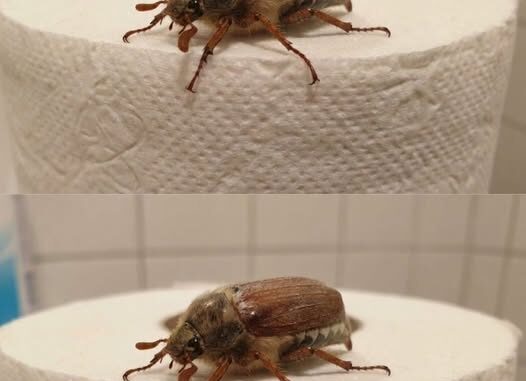
Imagine walking into your bathroom late at night, turning on the light, and suddenly noticing something moving across the floor.
At first, you can’t quite tell what it is.
Perhaps it has a long, narrow body, dozens of legs, or an unusual shape you’ve never encountered before.
It moves quickly toward the bathtub or disappears behind the sink.
Naturally, your first reaction might be alarm.
What kind of creature is that? Is it dangerous? And why is it inside your home?
Although discovering an unfamiliar bug can be unsettling, its presence doesn’t necessarily mean your house is dirty or infested.
Bathrooms naturally attract certain insects and other small creatures because they provide moisture, warmth, and sheltered spaces.
Some visitors are harmless wanderers.
Others may indicate a problem with humidity, drainage, or hidden sources of food.
Understanding the difference can help you decide whether the creature should simply be removed or whether your home needs closer attention.
Why Strange Bugs Often Appear in Bathrooms
Bathrooms offer environmental conditions that appeal to many small creatures.
The most important factor is moisture.
Showers, bathtubs, sinks, drains, and plumbing fixtures create areas where water and humidity can accumulate.
Even when the room looks perfectly clean, moisture may remain beneath cabinets, around pipes, or inside small cracks.
Some insects are especially attracted to these damp environments.
Warmth can also play a role.
During colder weather, creatures living outdoors may seek more sheltered conditions.
Bathrooms often provide relatively stable temperatures, particularly near warm plumbing.
Artificial lighting is another possible attraction.
Some flying insects enter homes through open windows or doors after being drawn toward lights.
Once inside, they may become trapped and appear in unexpected places.
A single insect in the bathroom therefore doesn’t automatically indicate a serious problem.
Does Finding One Bug Mean Your Home Is Infested?
Not necessarily.
There’s an important difference between an insect that accidentally enters a house and one that establishes a breeding population indoors.
A beetle, moth, or other small creature may simply wander inside through a gap beneath a door or an open window.
It might remain indoors briefly before finding its way outside.
Other species can survive and reproduce in homes when the right conditions are available.
Moisture, accessible food, and sheltered hiding places can make that possible.
Repeated sightings are generally more concerning than a single encounter.
The best approach is to identify the creature before deciding what action to take.
Different insects have different habits, and an effective solution depends on understanding what attracted them in the first place.
1. Silverfish: Fast-Moving Insects That Love Humidity
Silverfish are among the small insects frequently discovered in bathrooms.
<AsyncImage query=”silverfish insect Lepisma saccharinum macro photograph” aspectRatio=”5:3″/>
These creatures have elongated, flattened bodies and a silvery-gray appearance.
Their bodies taper toward the rear, where several thin appendages extend outward.
They move surprisingly quickly, sometimes appearing to glide across the floor.
Silverfish prefer humid environments and often hide in dark, protected spaces.
Bathrooms, basements, laundry rooms, and storage areas can provide suitable conditions.
They feed on materials containing starches and certain carbohydrates, including paper, cardboard, book bindings, and some fabrics.
Although they may look unsettling, silverfish generally aren’t dangerous to humans.
They don’t normally bite people or spread diseases.
However, frequent sightings may suggest excessive moisture or conditions that allow them to survive indoors.
Improving ventilation, repairing leaks, and reducing humidity can help discourage them.
2. House Centipedes: The Long-Legged Creatures That Move Extremely Fast
Few household creatures create as much surprise as a house centipede.
<AsyncImage query=”Scutigera coleoptrata house centipede close up long legs bathroom wall” aspectRatio=”5:3″/>
Its appearance is distinctive.
The body is relatively narrow, but the numerous long legs make it look much larger.
When disturbed, it can move across floors and walls at remarkable speed.
House centipedes are often found in damp, sheltered areas such as basements, bathrooms, and spaces beneath sinks.
Despite their intimidating appearance, they generally avoid people.
They are predators that feed on smaller arthropods, including insects and spiders.
This means they can play a useful role in controlling other household pests.
Although house centipedes can bite in unusual circumstances, bites are uncommon and usually cause only limited symptoms in most people.
If one appears in your bathroom, it can often be captured with a container and moved away without direct handling.
Frequent sightings may be a reason to check for moisture problems or other insects attracting them.
3. Drain Flies: Tiny, Fuzzy Insects Near Sinks and Showers
Drain flies are another common bathroom visitor.
<AsyncImage query=”drain fly Psychodidae moth fly macro fuzzy wings” aspectRatio=”5:3″/>
These tiny insects resemble miniature moths.
They have fuzzy bodies and broad wings, and their flight is often slow and fluttering.
You may notice them resting on bathroom walls or hovering around sinks and shower drains.
Drain flies are especially associated with moist organic material.
Their larvae can develop in the buildup that forms inside drains and other damp plumbing areas.
If you regularly see several drain flies near the same sink or shower, the source may be inside the drainage system.
Cleaning the drain and removing accumulated organic material can help address the problem.
Simply killing the adult flies may not resolve repeated sightings if the breeding material remains.
4. Cockroaches: A Visitor That Deserves Closer Attention
Cockroaches are among the insects people most worry about finding indoors.
<AsyncImage query=”brown German cockroach Blattella germanica close up macro photograph” aspectRatio=”5:3″/>
Some species are attracted to warm, humid environments and may enter bathrooms through gaps, plumbing openings, or connected spaces.
They have flattened bodies, long antennae, and quick movements.
Unlike many occasional insect visitors, certain cockroach species can establish populations inside buildings.
Their presence can create hygiene concerns because they may contaminate surfaces and contribute to allergy or asthma symptoms.
A single cockroach doesn’t prove that an infestation exists.
However, repeated sightings, droppings, egg cases, or activity during the day can justify a more thorough investigation.
Reducing accessible food and moisture, sealing entry points, and using appropriate pest-control measures can help.
Persistent problems may require professional treatment.
5. Spiders: Unexpected Visitors Looking for Shelter or Prey
Spiders frequently appear in bathrooms, especially in corners, near windows, or behind fixtures.
<AsyncImage query=”common small house spider on interior bathroom wall macro photograph” aspectRatio=”5:3″/>
Although spiders aren’t insects, they’re often grouped with household bugs in everyday conversation.
Most spiders found inside homes are not dangerous to people.
They may enter accidentally or settle in locations where small insects are available.
Bathrooms can provide sheltered corners and access to potential prey.
The appearance of a spider doesn’t necessarily indicate poor hygiene.
In many cases, it can be carefully relocated using a glass and a piece of paper.
However, spider species vary by region, and some require greater caution.
If you’re unsure what kind of spider you’ve found, avoid touching it directly.
6. Springtails: Tiny Creatures That May Seem to Jump
Springtails are extremely small arthropods that often go unnoticed until several appear together.
<AsyncImage query=”springtail Collembola tiny insect macro photograph soil moisture” aspectRatio=”5:3″/>
Many species live in soil, leaf litter, and damp environments.
Some can launch themselves into the air using a specialized structure beneath their bodies.
This sudden movement can make them appear to jump.
Springtails may occasionally appear around bathrooms, sinks, windows, or damp flooring.
They are generally harmless to humans.
They don’t normally bite or damage household structures.
However, repeated sightings may indicate excessive moisture.
Reducing dampness and identifying leaks or condensation problems can help make the environment less suitable for them.
Why These Creatures May Appear Suddenly
Sometimes a bathroom remains free of visible insects for months, and then several appear within a short period.
There can be several explanations.
Weather changes may encourage outdoor creatures to seek shelter.
Heavy rain can disturb insects living in soil or around foundations.
Warm temperatures can increase insect activity.
A plumbing leak may create new damp areas that attract moisture-dependent species.
Changes in ventilation can also allow humidity to accumulate.
Even seasonal shifts in outdoor insect populations can affect what enters a home.
The timing of an encounter may therefore reflect changing environmental conditions rather than a sudden problem with cleanliness.
How Bugs Get Into Bathrooms
Small insects and other arthropods can enter homes through openings that are easy to overlook.
Gaps beneath doors, poorly sealed windows, cracks around foundations, and openings near plumbing can provide entry routes.
Some flying insects enter through windows or ventilation openings.
Others may already live inside wall cavities, basements, or nearby storage areas.
A bathroom can become a convenient place for them to appear because it offers moisture and hiding spaces.
Identifying potential entry points can help prevent repeated encounters.
Sealing cracks, maintaining window screens, and checking openings around pipes are useful preventive steps.
What to Do When You Discover an Unknown Bug
The first step is to avoid panicking.
Many unusual-looking household creatures are harmless or pose little risk when left alone.
Observe the creature from a safe distance.
Notice its size, body shape, number of legs, and movement.
If possible, take a clear photograph.
A picture can make identification easier without requiring you to touch the animal.
If it appears harmless and is easy to capture, you may be able to relocate it using a container.
If you suspect a pest that can reproduce indoors, such as certain cockroaches or drain flies, investigate the conditions that may be attracting it.
Avoid handling unidentified creatures with bare hands.
And don’t assume that an unfamiliar appearance means the animal is dangerous.
How to Make Your Bathroom Less Attractive to Bugs
Preventing repeated insect encounters often begins with controlling moisture.
Bathrooms naturally become humid during showers and baths, but excess dampness can create favorable conditions for certain pests.
Using an exhaust fan or opening a window when appropriate can help remove moisture.
Leaks around sinks, toilets, and pipes should be repaired.
Water that collects beneath cabinets or around fixtures should be addressed.
Cleaning drains can reduce organic buildup that supports certain insects.
Keeping storage areas dry and reducing unnecessary clutter can also eliminate hiding places.
Finally, checking seals around windows, doors, and plumbing openings can help limit access from outdoors.
These measures won’t prevent every occasional visitor, but they can reduce the conditions that allow some species to thrive.
When Should You Be Concerned?
One unexpected insect is usually not a reason for alarm.
However, certain patterns deserve attention.
If you repeatedly find the same type of insect, especially in increasing numbers, there may be a breeding source nearby.
Persistent dampness, musty odors, or visible water damage can indicate conditions that attract moisture-loving species.
Cockroach activity, recurring drain flies, or insects emerging from concealed areas may require more targeted action.
In those situations, identifying the species is especially important.
A qualified pest-control professional can help determine whether treatment is necessary.
If moisture or plumbing defects are involved, those underlying issues should also be corrected.
Why Appearance Alone Can Be Misleading
Some of the most intimidating household creatures are not necessarily the most harmful.
House centipedes, for example, may look frightening because of their long legs and rapid movements.
Yet they generally avoid humans and feed on other small creatures.
Silverfish may look unusual but are not typically a direct threat to human health.
Meanwhile, smaller and less dramatic-looking pests may create greater problems if they reproduce indoors or contaminate living spaces.
This is why accurate identification matters more than appearance alone.
A creature’s behavior, habitat, and potential impact provide a much clearer picture of whether it requires intervention.
Final Thoughts: The Strange Bug in Your Bathroom May Have a Simple Explanation
Finding an unfamiliar insect or other small creature in your bathroom can be surprising.
Its unusual appearance may make you wonder whether something is wrong with your home.
But many of these encounters have straightforward explanations.
Moisture, warmth, shelter, and small entry points can attract occasional visitors.
Some species are harmless wanderers.
Others may indicate excessive humidity, drainage buildup, or conditions that support indoor pest populations.
The most useful response is to identify what you’ve found, observe whether sightings continue, and address any environmental problems that may be contributing.
A strange-looking bug doesn’t automatically mean danger. Sometimes it’s simply a small creature that has wandered into the wrong place.
And understanding why it appeared is often the first step toward keeping your bathroom comfortable, clean, and free from unwanted visitors.
Leave a Reply