It was an ordinary Tuesday afternoon when I decided to take a short break from work and spend a few minutes in my backyard.
The weather was warm, the garden was peaceful, and nothing seemed unusual.
I had no reason to believe that a simple walk outside would become one of the most memorable experiences of my life.
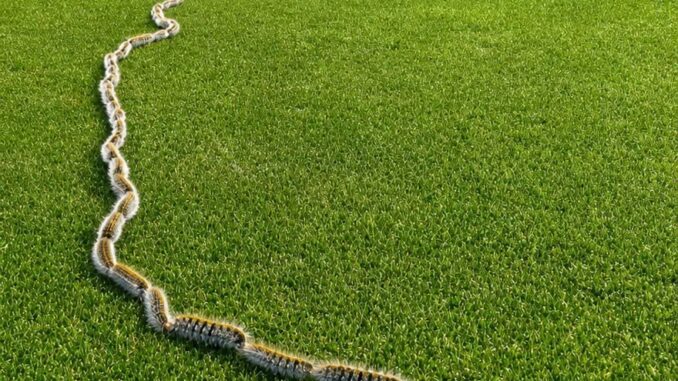
But as I approached an overgrown section of the lawn, I noticed something lying among the grass.
At first, I thought it was an old piece of rope.
A closer look revealed something entirely different.
That afternoon reminded me how important it is to pay attention to our surroundings, especially in places where wildlife may be present.
A Peaceful Afternoon in the Garden
I had spent most of the morning working indoors.
My desk was covered with paperwork, and I had been moving between emails and computer tasks for several hours.
By lunchtime, I needed a break.
I made a cup of green tea and stepped outside to enjoy the fresh air.
My backyard had always been one of my favorite places to relax.
I had spent years maintaining the garden, planting flowers, growing vegetables, and creating a comfortable outdoor space.
A wooden lattice supported climbing jasmine near the patio.
An old oak tree provided shade over part of the lawn.
Along the edges of the garden, ornamental plants and wildflowers attracted bees and other small creatures.
Everything looked familiar.
The sunlight filtered through the leaves, and a gentle breeze moved through the branches.
I walked along the stone pathway, enjoying a few quiet moments away from my computer.
It felt like exactly the kind of break I needed.
Something Unusual Near the Tall Grass
As I approached the far side of the garden, I noticed a long, narrow object lying in the grass.
It was partly hidden by clover and other plants.
From where I stood, the object looked brownish-gray and appeared to stretch across a small patch of open ground.
My first thought was that it must be an old rope.
That explanation seemed reasonable.
Several years earlier, I had used rope while working on a garden trellis near the back fence.
I remembered leaving a few materials outside during the project.
Perhaps a forgotten piece had remained in the yard.
I stopped for a moment and looked at it.
The object wasn’t moving.
It appeared to be lying quietly among the plants.
I considered walking over to pick it up and put it away.
Fortunately, something made me look more carefully before reaching down.
A Small Detail Caught My Attention
As I moved slightly closer, the sunlight fell across the object from a different angle.
I noticed that its shape wasn’t quite what I expected.
Instead of looking like a loose piece of rope, it formed a smooth curve through the grass.
Its surface also seemed different.
Rather than appearing rough or fibrous, it had a slightly glossy texture.
I paused.
The more I studied it, the less certain I became about my original assumption.
Then another possibility occurred to me.
What if it wasn’t a rope at all?
What if it was a snake?
I had occasionally seen small snakes around the garden before.
Most had moved away quickly when they detected nearby activity.
Still, I knew that some snake species could be dangerous and that identifying one from a distance wasn’t always easy.
I should have remained where I was and given the object plenty of space.
Instead, curiosity encouraged me to take one more step.
The Moment Everything Changed
I moved off the stone pathway toward the edge of the taller grass.
Almost immediately, the object moved.
What I had mistaken for a piece of rope was a living snake.
Its body shifted quickly, revealing the smooth scales that had caught my attention.
I stopped walking.
The snake was considerably larger than the small garden snakes I had encountered in the past.
Its body had dark markings that blended with the surrounding soil, dry leaves, and vegetation.
Then I heard a distinctive rattling sound.
The noise came from the end of its tail.
I recognized what I was looking at.
It was a rattlesnake.
For several seconds, I stood completely still, surprised by how close I had come without noticing it.
The snake had been resting in the grass, and my approach appeared to have disturbed it.
Recognizing the Warning
The rattlesnake shifted into a defensive position.
Its body remained partly coiled, and the rattling continued.
I understood that the sound was a warning.
Rattlesnakes generally do not seek confrontations with people.
Like many wild animals, they may respond defensively when they feel threatened or have limited opportunities to move away.
The snake was not pursuing me.
It was reacting to my presence.
That distinction helped me think more clearly.
I realized that the safest response was to avoid approaching any closer and create distance without disturbing the animal.
I had no reason to touch it, move it, or attempt to identify its exact species.
I simply needed to leave it alone.
Carefully Moving Away
I began moving backward cautiously.
I made sure I could see where I was placing my feet.
The grass was uneven, and I didn’t want to lose my balance or step toward another hidden obstacle.
After a few steps, I reached the stone pathway.
I continued increasing the distance between myself and the snake.
The rattling eventually became less noticeable.
Once I was well away from the animal, I returned to the patio.
My heart was still beating quickly.
I set my tea down and sat for a moment.
Only then did I fully appreciate how easily I could have stepped closer without recognizing what was in the grass.
The encounter had lasted only a short time, but it had completely changed the mood of my afternoon.
Seeing My Garden Differently
From the patio, I looked across the yard.
The garden appeared almost exactly as it had before.
The flowers were still moving gently in the breeze.
The oak tree continued to cast shade across the lawn.
The sunlight illuminated the grass, and the familiar sounds of the afternoon returned.
Yet I was now much more aware of what might be hidden among the plants.
My backyard wasn’t separate from the natural world.
It was part of it.
Birds, insects, small mammals, and reptiles could all move through the space.
The encounter reminded me that even a familiar environment deserves attention.
I had become so accustomed to the garden that I sometimes overlooked its less visible inhabitants.
Why Snakes May Appear in Residential Gardens
After the encounter, I became interested in understanding why snakes sometimes enter yards and gardens.
Residential landscapes can provide several things that attract wildlife.
Vegetation offers shelter from weather and predators.
Areas with rocks, logs, or dense plants may create protected resting places.
Gardens can also attract rodents, insects, and other animals that some snakes feed on.
During warm weather, reptiles may use shaded areas to regulate their body temperature.
Their presence does not necessarily mean that a property is poorly maintained.
Snakes are part of many local ecosystems, and occasional encounters can happen even in regularly cared-for yards.
However, understanding the conditions that provide shelter can help homeowners make outdoor areas easier to inspect and maintain.
Why Rattlesnakes Use Their Rattles
One of the most memorable parts of the experience was the sound of the snake’s tail.
Rattlesnakes are known for the distinctive rattles found at the ends of their tails.
The rattle consists of interlocking segments that produce sound when the tail vibrates.
This sound can serve as a defensive warning.
It may alert a nearby animal or person to the snake’s presence, potentially reducing the chance of accidental contact.
However, not every rattlesnake will rattle before a defensive strike.
Some may remain silent, particularly if they have not yet detected a threat or are relying on camouflage.
For that reason, people should not depend on hearing a rattle to determine whether an area is safe.
Giving unfamiliar snakes plenty of space is a more reliable precaution.
The Importance of Keeping a Safe Distance
My biggest mistake that afternoon was moving closer to an object I couldn’t identify.
I had assumed it was harmless because it looked familiar.
Fortunately, I stopped before attempting to pick it up.
Wildlife experts generally recommend avoiding direct contact with unfamiliar snakes.
Trying to catch, move, or harm a snake can increase the risk of a bite.
If a snake is discovered outdoors, it is usually best to leave it undisturbed and move away.
If the animal is in an area where people or pets may encounter it, a qualified wildlife professional or appropriate local service may be able to help.
A safe response focuses on avoiding unnecessary contact rather than confronting the animal.
Practical Ways to Make a Garden Easier to Navigate
The experience encouraged me to reconsider a few aspects of my garden.
I still wanted the yard to remain welcoming to birds, pollinators, and other wildlife.
But I also wanted to make it easier to see where I was walking.
Several simple maintenance habits can help reduce accidental encounters.
Keep Frequently Used Paths Clear
Walkways and areas around entrances should remain visible and accessible.
Trimming vegetation that extends across paths can make it easier to notice obstacles or animals.
Manage Overgrown Areas
Tall grass and dense ground cover can make wildlife more difficult to see.
Maintaining vegetation near patios, walkways, and regularly used spaces may improve visibility.
Organize Outdoor Materials
Piles of wood, unused equipment, and other stored materials can create sheltered spaces for animals.
Keeping these areas organized and away from heavily used paths can make maintenance safer.
Use Appropriate Footwear
I had walked into the garden barefoot.
After the encounter, I became more careful about wearing sturdy, closed-toe shoes when working outdoors.
In areas where venomous snakes are common, appropriate protective footwear can be particularly important.
Check Before Reaching Into Hidden Spaces
It is wise to look carefully before moving objects, reaching into dense plants, or working around rocks and logs.
Never place a hand or foot somewhere you cannot see clearly.
These precautions cannot eliminate every wildlife encounter, but they can reduce unnecessary risks.
What to Do If You Encounter a Snake
Seeing an unfamiliar snake can be surprising, especially when it appears unexpectedly.
The most important step is to avoid approaching it.
Give the animal space and move away calmly.
Do not attempt to pick it up, provoke it, or take a close-up photograph.
Keep children and pets away from the area.
If the snake remains in a location that creates an ongoing safety concern, contact an appropriate local wildlife or animal-control professional.
It is also important to remember that snake identification can be difficult.
Color, markings, and head shape alone are not always reliable ways for an untrained observer to determine whether a snake is venomous.
When uncertain, treat the animal as potentially dangerous and maintain a safe distance.
What If Someone Is Bitten by a Venomous Snake?
Although I was not bitten, the experience made me appreciate the importance of knowing how to respond to a possible snakebite.
A suspected venomous snakebite requires immediate medical attention.
Call emergency services or seek emergency medical care as quickly as possible.
While waiting for help, the affected person should remain as still and calm as reasonably possible.
Remove tight jewelry or clothing near the affected area before swelling develops, if this can be done safely.
Do not cut the wound, attempt to suck out venom, apply ice, or use a tourniquet.
Do not try to capture the snake.
Medical professionals can provide appropriate evaluation and treatment based on the circumstances.
Learning to Respect Wildlife
Before that afternoon, I thought of my garden mainly as a place for relaxation.
I enjoyed watching birds, growing flowers, and spending time outdoors.
The rattlesnake encounter reminded me that other animals also use the space.
Snakes play important ecological roles.
Many species help regulate populations of rodents and other small animals.
Although venomous snakes require caution, they are not simply obstacles to be removed from the environment.
They are part of natural ecosystems.
Learning about their behavior can help people respond with greater awareness rather than unnecessary fear.
I didn’t need to become comfortable approaching rattlesnakes.
I simply needed to respect their space.
A Lesson About Paying Attention
Looking back, the most important part of the experience was the assumption I made when I first noticed the object.
I saw something long and gray in the grass.
Because I remembered leaving rope in the garden years earlier, I immediately decided that must be what it was.
I didn’t initially consider another explanation.
It was only when I noticed the unusual shape and texture that I began to question my conclusion.
That small moment of observation made a significant difference.
The experience reminded me that familiarity can sometimes make people less attentive.
We become comfortable with our surroundings and stop noticing details.
Most of the time, that causes no problems.
Occasionally, however, paying closer attention can help us avoid an unexpected hazard.
Returning to the Garden
After resting on the patio, I watched the garden from a safe distance.
Eventually, the snake moved away into the vegetation.
I did not attempt to follow it.
Instead, I returned indoors and allowed the area to remain undisturbed.
Over the following days, I became more attentive when walking outside.
I checked the paths before stepping into overgrown areas.
I also made plans to trim some vegetation near the walkway.
The garden remained a place I enjoyed.
I still appreciated the flowers, the shade of the oak tree, and the peaceful afternoons.
But I approached the space with a little more awareness.
Final Thoughts
What began as a short break from work became an unexpected encounter with a rattlesnake resting in my backyard.
At first, I mistook the animal for an old piece of rope.
Only after noticing its shape and movement did I recognize what was in front of me.
Fortunately, I was able to move away without being injured.
The experience reminded me that wildlife can be present even in familiar residential spaces.
It also reinforced the importance of observing carefully, respecting animals, and avoiding unnecessary contact with unfamiliar creatures.
I still enjoy spending time in my garden. But now, before stepping into tall grass or reaching toward something I can’t clearly identify, I make sure to look a little more carefully.
Sometimes, a simple moment of awareness can make all the difference.
Leave a Reply