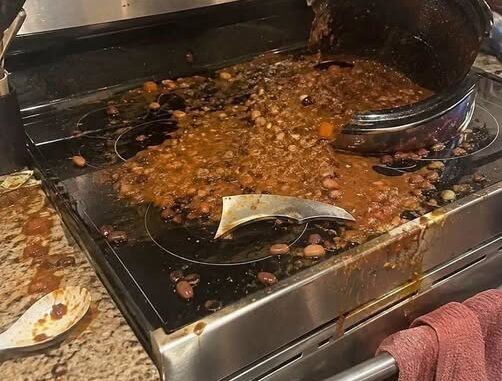
Slow cookers are popular for making convenient, comforting meals with minimal preparation. However, one common kitchen shortcut can damage your cookware and create unnecessary safety risks.
If you’ve ever considered placing your slow cooker’s removable ceramic insert directly on a stovetop burner to brown meat or sauté vegetables, it’s important to check whether your specific model allows it.
Most traditional ceramic and stoneware slow cooker inserts are not designed for direct stovetop heat. Using them incorrectly can cause cracking, breakage, and spills involving hot food.
Here’s why this happens and how to use your slow cooker more safely.
Why Slow Cooker Inserts Can Crack on the Stovetop
Traditional slow cookers are designed to heat food gradually.
The removable ceramic or stoneware insert sits inside an electric heating base, which provides controlled heat over an extended period.
A stovetop burner works differently.
Instead of distributing heat through the appliance’s heating system, a burner applies concentrated heat directly to part of the cookware.
This uneven heating can create stress within the ceramic material.
When different areas of the insert expand at different rates, the material may develop cracks or, in some circumstances, break.
This process is known as thermal shock.
Although slow cooker inserts often look thick and durable, their appearance doesn’t necessarily mean they can withstand direct stovetop heating.
What Is Thermal Shock?
Thermal shock occurs when a material experiences a rapid or uneven temperature change that creates internal stress.
Ceramic cookware can be particularly vulnerable when it isn’t designed for the heating method being used.
For example, placing an ordinary slow cooker insert on a hot burner may cause the bottom to heat much faster than the sides.
A sudden temperature difference can increase the risk of damage.
Other situations, such as adding cold water to very hot ceramic, may also create thermal stress.
Not every ceramic insert will break under these conditions, but the possibility is serious enough that manufacturer instructions should always take priority.
Are All Slow Cooker Inserts Unsafe for Stovetop Use?
No. Some slow cooker models include removable inserts specifically designed for stovetop cooking.
These may be made from materials suitable for direct heat, allowing users to brown ingredients before transferring the insert to the slow cooker’s heating base.
However, stovetop compatibility depends on the exact appliance model and insert material.
A removable insert is not automatically stovetop-safe.
Likewise, cookware described as oven-safe may not be suitable for use on a burner.
Before using an insert outside its heating base, consult the manufacturer’s manual or product specifications.
If the instructions do not explicitly approve stovetop use, avoid placing the insert on a burner.
Why Browning Meat Requires a Different Cooking Method
Many slow cooker recipes recommend browning meat before adding it to the appliance.
Browning can enhance flavor and improve the finished dish’s appearance.
However, this step generally requires higher surface temperatures than those used during slow cooking.
A frying pan or skillet is designed for this type of direct heat.
A conventional slow cooker, by comparison, is intended to cook food gradually over several hours.
Trying to use a ceramic slow cooker insert as a frying pan combines two different cooking methods in equipment that may not support both.
Fortunately, there’s an easy alternative.
The Safer Way to Brown Ingredients Before Slow Cooking
If your recipe calls for searing meat, cooking onions, or sautéing vegetables, use a stovetop-safe skillet.
Follow these steps:
- Heat a suitable frying pan according to your recipe.
- Brown the meat or sauté the vegetables as directed.
- Transfer the prepared ingredients into the slow cooker insert.
- Add the remaining ingredients and liquids.
- Place the insert inside the heating base and cook according to your recipe and appliance instructions.
This method allows you to develop flavor without exposing a conventional ceramic insert to direct burner heat.
It also makes cleanup and cooking temperatures easier to manage.
What Happens If a Slow Cooker Insert Cracks?
A damaged insert may no longer be suitable for cooking.
Even a small crack can affect its ability to hold liquids and withstand repeated heating.
A more significant break could allow hot food or liquid to spill, potentially causing burns or damaging nearby surfaces.
If you notice cracking, leaking, or unusual damage, stop using the insert.
Do not attempt to repair a cracked cooking vessel with ordinary household glue or sealant.
Instead, consult the manufacturer about an approved replacement insert.
What to Do If You Accidentally Put a Ceramic Insert on the Stove
If you’ve already placed a conventional slow cooker insert on a burner, avoid making sudden movements or temperature changes.
Turn off the burner if it is safe to do so.
Allow the cookware to cool naturally, keeping people away from the area if there is any sign of damage.
Do not pour cold water into a hot insert to cool it quickly.
Once the cookware has cooled completely, inspect it carefully for visible cracks or other damage.
If it has cracked or broken, discontinue use and follow the manufacturer’s replacement guidance.
If you’re uncertain whether the insert remains safe, contact the manufacturer before using it again.
Can You Put a Slow Cooker Insert in the Oven?
Some slow cooker inserts are approved for oven use, but compatibility varies.
An insert that can withstand oven temperatures isn’t necessarily designed for stovetop burners.
Ovens generally surround cookware with heated air, while stovetop burners apply heat more directly to a limited surface area.
These different heating conditions are one reason manufacturers may approve an insert for one method but not another.
Always check the recommended temperature limits and usage instructions for your specific model.
Also remember that lids, handles, and other components may have different temperature restrictions from the insert itself.
Common Slow Cooker Safety Mistakes to Avoid
A few simple habits can help protect your appliance and make everyday cooking safer.
- Don’t place the electric heating base on a stovetop burner. The appliance is designed to operate using its electrical heating system.
- Avoid direct burner heat unless the insert is specifically approved for it. Traditional stoneware inserts generally aren’t suitable for stovetop cooking.
- Avoid sudden temperature changes. Follow the manufacturer’s guidance when handling hot or cold ceramic cookware.
- Don’t continue using a cracked insert. Damage can worsen with repeated heating.
- Check the instructions before using an insert in an oven. Oven-safe and stovetop-safe are not interchangeable descriptions.
- Use suitable cookware for searing and sautéing. A regular skillet is often the simplest option.
These precautions can reduce avoidable damage and help you get more reliable results from your slow cooker.
Why Manufacturer Instructions Matter
Slow cookers are available in many designs, with inserts made from different materials.
Two models may look nearly identical but have very different cooking limitations.
That’s why general assumptions about heavy cookware aren’t always reliable.
The manufacturer’s instructions should identify whether the insert is suitable for direct stovetop heat, oven use, or other cooking methods.
If you’ve misplaced your manual, you can often find a digital version by searching the manufacturer’s website using the appliance’s model number.
Checking this information takes only a few minutes and can prevent an expensive mistake.
Final Thoughts
A slow cooker can make meal preparation easier, but its removable insert should only be used in ways approved by the manufacturer.
Most conventional ceramic and stoneware inserts are designed for gradual heating inside the appliance, not direct contact with stovetop burners.
Using an unsuitable insert on the stove may lead to thermal shock, cracking, or breakage.
When a recipe calls for browning meat or sautéing vegetables, using a separate skillet is usually the safer and more practical choice.
The key takeaway: Never assume a slow cooker insert is stovetop-safe simply because it looks sturdy. Check the manufacturer’s instructions before exposing it to direct heat.
A little extra care can help protect your cookware, your meal, and everyone in your kitchen.
Leave a Reply