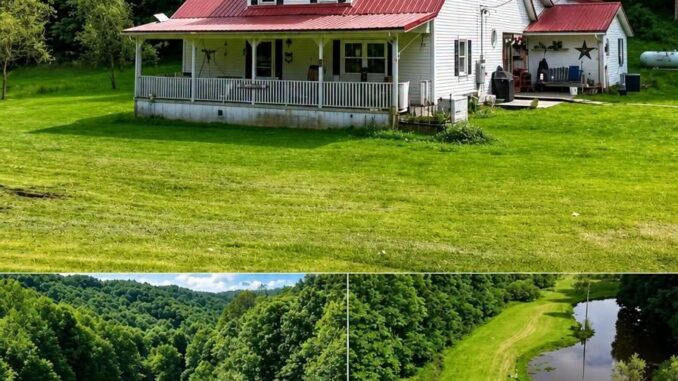
A 75-acre parcel of land offers a variety of possibilities for individuals who appreciate spacious surroundings, privacy, and outdoor living.
As residential and commercial development continues in many communities, larger properties can provide an alternative to conventional residential lots. Depending on the location and landscape, substantial acreage may offer open fields, wooded sections, scenic views, and opportunities for future improvements.
Whether someone dreams of building a custom residence, establishing a garden, or preserving a natural landscape, a property of this size provides considerable flexibility.
Enjoying Privacy and Spacious Surroundings
One of the main advantages of owning a large parcel of land is the potential for greater privacy.
Traditional residential neighborhoods often feature homes positioned relatively close together. Larger properties, however, may provide additional separation from neighboring residences and public roads.
Depending on the terrain, property boundaries, and local building regulations, owners could potentially select a homesite that offers peaceful surroundings and attractive views.
Existing trees, vegetation, and natural landscape features may also contribute to a sense of seclusion.
For individuals who appreciate quiet mornings, outdoor relaxation, and a closer connection to nature, these characteristics can be particularly appealing.
Creating a Property That Reflects Your Lifestyle
Seventy-five acres can provide opportunities to explore different approaches to land ownership and development.
Rather than working within the limitations of a smaller residential lot, owners may have greater flexibility when planning how to use different sections of their property.
Potential uses could include:
-
Constructing a custom residence.
-
Establishing vegetable gardens or fruit orchards.
-
Creating private walking trails.
-
Developing outdoor recreational areas.
-
Exploring permitted agricultural activities.
-
Preserving wooded areas and natural habitats.
The feasibility of these projects depends on local zoning regulations, environmental conditions, available infrastructure, and the characteristics of the land.
Owners may also choose to develop only a small portion of the acreage while leaving the remaining areas in their natural condition.
Experiencing Nature Throughout the Seasons
A large property can offer opportunities to appreciate the changing seasons without traveling far from home.
During spring, new vegetation and flowering plants may bring fresh colors to the landscape. Summer can provide opportunities for gardening, outdoor dining, and recreational activities.
Autumn may introduce colorful foliage, while winter can offer a quieter atmosphere across open fields and wooded surroundings.
These seasonal changes can make the outdoor environment an enjoyable part of everyday life.
For nature enthusiasts, having access to substantial outdoor space may also provide opportunities for observing birds, photographing wildlife, or enjoying peaceful walks.
Potential for Gardening and Small-Scale Agriculture
A property spanning 75 acres may appeal to individuals interested in growing their own produce or exploring agricultural activities.
Depending on soil quality, sunlight, water availability, and local regulations, suitable portions of the land could potentially accommodate vegetable gardens, fruit trees, or pasture.
Different sections of the property may serve different purposes. For example, gardens could be established near a future residence, while other areas remain available for recreation or conservation.
However, successful agricultural planning requires more than available space.
Prospective owners should investigate soil conditions, drainage, water resources, and applicable land-use requirements before beginning agricultural projects.
Understanding these factors can help determine which activities are practical and appropriate for the property.
Outdoor Recreation and Family Activities
Substantial acreage can provide a flexible setting for spending time outdoors with family and friends.
Depending on the landscape and permitted uses, owners could create walking paths, picnic areas, gardens, or designated recreational spaces.
Families may enjoy activities such as nature walks, wildlife observation, gardening, and outdoor gatherings.
These experiences can encourage an appreciation for the natural environment while creating opportunities to spend meaningful time together.
Over the years, outdoor spaces may become associated with family traditions, seasonal celebrations, and memorable everyday experiences.
Making Improvements Over Time
Another potential advantage of owning a larger parcel is the opportunity to plan improvements gradually.
Instead of developing the entire property immediately, owners may begin by identifying a suitable homesite and establishing essential infrastructure.
Additional projects could be considered later, including landscaping, fencing, storage structures, gardens, and recreational trails.
This gradual approach allows improvements to reflect changing priorities, available resources, and long-term plans.
However, development expenses and infrastructure requirements should be carefully evaluated before purchasing the land.
Creating a realistic plan can help owners manage their expectations and make informed decisions about future projects.
Maintaining the Natural Character of the Land
Not every section of a large property needs to be developed.
Some landowners prefer to preserve existing trees, open fields, and other natural features rather than introducing extensive construction.
Maintaining suitable natural habitats may support local wildlife and help preserve the property’s scenic character.
Owners interested in conservation could explore ways to balance residential development with responsible land management.
Any protected wetlands, waterways, or environmentally sensitive areas should be identified before making significant changes to the landscape.
A thoughtful approach to land use can allow owners to enjoy their surroundings while respecting the natural environment.
Understanding Infrastructure and Utility Requirements
Undeveloped land may require additional infrastructure before it can accommodate a permanent residence.
Depending on the property’s location, public water, electricity, and sewer services may not be readily available.
Prospective buyers should investigate whether a private well, septic system, or additional utility connections would be necessary.
Road access is another important consideration, particularly when planning construction or year-round residential use.
The cost of establishing essential infrastructure can vary considerably depending on the location and existing conditions.
Researching these requirements early can help buyers develop a more accurate understanding of the overall expenses involved.
Important Considerations Before Purchasing Large Acreage
Although a 75-acre property may offer numerous possibilities, prospective buyers should conduct thorough research before making a financial commitment.
Important factors to investigate include:
-
Local zoning and permitted land uses.
-
Verified property boundaries and professional surveys.
-
Legal road access and existing easements.
-
Availability of electricity, water, and sewer services.
-
Soil quality and drainage conditions.
-
Wetlands and potential flood risks.
-
Property taxes and insurance requirements.
-
Construction, development, and ongoing maintenance costs.
Consulting qualified real estate professionals, surveyors, and local planning authorities may help buyers better understand the property’s characteristics and limitations.
These steps are particularly important when purchasing undeveloped land with plans for future construction.
Finding a Balance Between Development and Preservation
The flexibility associated with large acreage allows owners to consider both practical improvements and environmental preservation.
Some may prioritize building a comfortable residence with landscaped outdoor spaces. Others may prefer maintaining most of the property in its existing natural condition.
A combination of residential use, gardening, recreation, and conservation may also be possible, depending on applicable regulations and site conditions.
The most suitable approach will depend on the owner’s individual preferences, financial resources, and the land’s characteristics.
Final Thoughts
A 75-acre parcel of land can provide opportunities for privacy, outdoor recreation, gardening, residential development, and appreciation of natural surroundings.
Its size offers flexibility that may be difficult to achieve on a conventional residential lot. However, careful planning remains essential when considering future improvements or changes to the landscape.
By researching zoning requirements, infrastructure availability, environmental conditions, and ownership expenses, prospective buyers can make more informed decisions.
For those who appreciate open space and the opportunity to personalize their surroundings, substantial acreage may provide a meaningful foundation for a lifestyle centered around nature, comfort, and thoughtful land management.
Leave a Reply