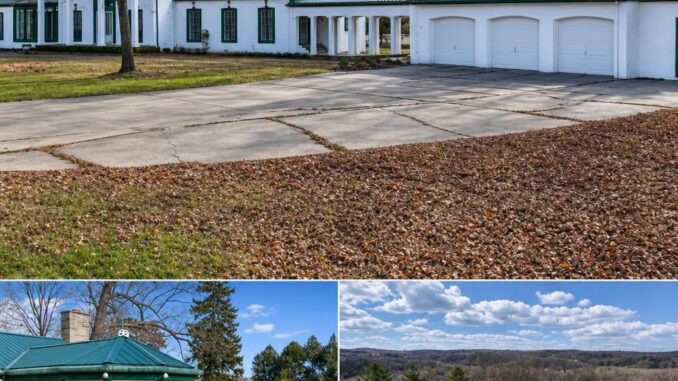
A 31-acre farmstead in Nebraska combines traditional residential architecture, spacious pastureland, and established agricultural infrastructure. Previously advertised through an online real estate auction, the property features a farmhouse dating back to 1900, along with several outbuildings designed to support rural living and farming activities.
With four bedrooms, two bathrooms, fenced pastureland, and traditional architectural details, the property offers various possibilities for individuals interested in country living, agricultural projects, or historic home restoration.
A Historic Farmhouse Dating Back to 1900
The main residence was built in 1900 and retains several architectural features associated with early 20th-century farmhouses.
Its four-bedroom, two-bathroom layout provides space for everyday living, accommodating guests, or creating dedicated areas for work and personal interests.
According to the original property description, several traditional interior elements remain intact, contributing to the home’s distinctive character.
These features may appeal to buyers who appreciate older residences and wish to preserve their architectural details while introducing modern improvements where necessary.
Traditional Interior Features
The farmhouse includes hardwood flooring throughout key living areas, complemented by detailed wooden trim that reflects the craftsmanship of its era.
Cedar-lined closets provide additional storage while maintaining the home’s traditional interior style.
Two fireplaces serve as architectural focal points within the residence. Their condition and suitability for regular use would need to be assessed through appropriate professional inspections.
The combination of natural wood finishes and traditional design elements gives the farmhouse a welcoming appearance that distinguishes it from many contemporary residential properties.
A Covered Wraparound Porch
Another notable feature is the covered wraparound porch, which extends the home’s usable outdoor space.
The porch provides an area for outdoor seating, relaxation, and enjoying views of the surrounding countryside.
Covered porches are commonly associated with traditional farmhouses, offering a practical transition between indoor living areas and outdoor spaces.
Depending on its condition, the porch could also provide opportunities for decorative improvements while preserving the home’s original architectural character.
Approximately 27 Acres of Fenced Pastureland
Of the property’s total 31 acres, approximately 27 acres are described as fenced pastureland.
This established agricultural space may accommodate various activities, depending on soil conditions, fencing quality, water availability, and applicable regulations.
Potential uses include livestock grazing, pasture management, small-scale agricultural projects, and other rural land activities.
The remaining acreage accommodates the farmhouse, agricultural buildings, equipment access areas, and supporting infrastructure.
This combination of residential and agricultural space provides flexibility for different land management goals.
Agricultural Buildings and Equipment Storage
The farmstead includes several additional structures that contribute to its agricultural functionality.
According to the original listing, these buildings include:
-
A barn suitable for various agricultural purposes.
-
A machine shed offering equipment and machinery storage.
-
Poultry houses that may accommodate agricultural activities.
-
Concrete flooring within agricultural structures.
-
Running water and updated electrical systems in the outbuildings.
These features may provide a useful foundation for buyers interested in maintaining an agricultural property.
However, the current condition of each building and its utility systems should be independently evaluated before use.
Opportunities for Rural Living and Farming
The property’s combination of pastureland, residential space, and established outbuildings creates several potential uses.
Individuals interested in livestock management may appreciate the existing fenced acreage, while those pursuing hobby farming could explore smaller agricultural projects.
The available buildings may also provide space for equipment maintenance, gardening supplies, workshops, or other personal interests.
Future owners could consider adapting portions of the property to their specific needs, subject to local zoning requirements and the suitability of the existing infrastructure.
Understanding the Original Online Auction
The property was originally advertised through an online-only real estate auction.
According to the published auction information, bidding was scheduled to conclude on June 10, 2025, at 7:00 PM.
The auction used a soft-close format, which allows bidding periods to be extended when additional bids are submitted near the scheduled closing time.
The original auction terms included a 10% buyer’s premium and a $10,000 earnest money deposit payable within 24 hours of the auction’s conclusion.
Closing was scheduled to occur on or before July 17, 2025.
An open house was also scheduled for June 3, 2025, between 5:00 PM and 6:00 PM.
These dates have already passed, and the property’s current ownership, availability, and final auction price have not been confirmed.
Property Inspections and Original Sale Conditions
The original auction description stated that the property would be sold on an “as-is, where-is” basis.
This type of arrangement generally places considerable importance on buyers conducting their own evaluations before completing a purchase.
The listing also indicated that preliminary home and termite inspections had been completed.
However, inspection reports should always be reviewed carefully, particularly when evaluating older residential buildings and agricultural structures.
Prospective buyers considering similar properties should also confirm financing arrangements, applicable fees, property taxes, and other financial obligations before participating in an auction.
Important Considerations When Purchasing an Older Farmstead
Historic agricultural properties can offer distinctive features, but they may also require ongoing maintenance and improvements.
Evaluating the farmhouse’s foundation, roofing, plumbing, electrical systems, and heating arrangements is particularly important.
The condition of agricultural buildings, fencing, water systems, and pastureland should also be considered.
Additional factors include property boundaries, land use restrictions, insurance requirements, maintenance expenses, and potential renovation costs.
Professional inspections and careful financial planning can help buyers determine whether a rural property is suitable for their intended use.
Preserving Historic Character While Introducing Modern Improvements
One of the interesting aspects of an older farmhouse is the opportunity to balance architectural preservation with contemporary functionality.
Original hardwood flooring, decorative wooden trim, cedar-lined closets, and traditional fireplaces can contribute to the property’s historical character.
Where appropriate, modern improvements may help enhance energy efficiency, comfort, and everyday convenience without significantly altering the home’s distinctive appearance.
A carefully planned restoration approach can help maintain traditional features while addressing necessary repairs and updates.
Final Thoughts
This 31-acre Nebraska farmstead brings together a farmhouse dating back to 1900, approximately 27 acres of fenced pastureland, and several agricultural outbuildings.
Its four-bedroom layout, hardwood flooring, traditional woodwork, covered wraparound porch, and established agricultural infrastructure illustrate the distinctive characteristics of an older rural property.
Although the original auction dates have passed, the property provides an interesting example of how historic residential architecture and agricultural land can complement one another.
For individuals exploring similar farmsteads, careful inspections, realistic budgeting, and a clear understanding of land management requirements are essential parts of making an informed purchasing decision.
Leave a Reply