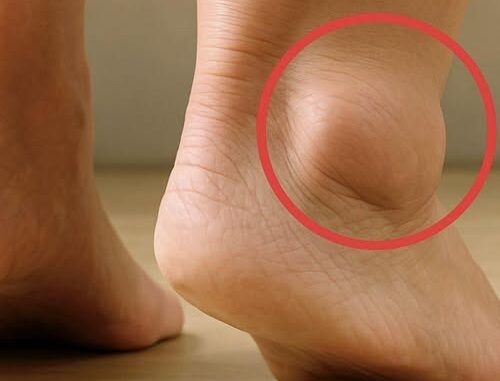
Swollen feet are a common concern among older adults, often appearing gradually and sometimes becoming a daily discomfort. While occasional swelling after long periods of sitting or standing is usually harmless, frequent or persistent swelling may signal something more significant.
Understanding the causes—and knowing how to manage them—can make a meaningful difference in comfort, mobility, and overall quality of life.
What Causes Swollen Feet?
Swelling in the feet and ankles is medically known as edema. It occurs when excess fluid builds up in the tissues, leading to puffiness, tightness, and sometimes discomfort.
As we age, several natural changes in the body can increase the likelihood of edema.
1. Reduced Circulation
One of the most common reasons for swollen feet in seniors is slower blood circulation. Over time, blood vessels may lose some of their efficiency, making it harder for blood to flow back toward the heart.
This can cause fluid to collect in the lower legs and feet—especially after long periods of inactivity.
2. Chronic Venous Insufficiency
In some cases, the veins in the legs struggle to return blood upward, a condition known as chronic venous insufficiency. When this happens, blood can pool in the lower extremities, leading to ongoing swelling.
This type of swelling may be more noticeable at the end of the day or after standing for extended periods.
3. Medication Side Effects
Certain medications commonly used by older adults may contribute to fluid retention. These can include:
- Blood pressure medications
- Anti-inflammatory drugs
- Hormonal treatments
If swelling begins after starting a new medication, it’s important to discuss it with a healthcare provider.
4. Underlying Health Conditions
Persistent swelling can sometimes be linked to more serious conditions, such as:
- Heart-related issues
- Kidney function concerns
- Liver conditions
These situations require medical evaluation, especially if swelling is sudden, severe, or accompanied by other symptoms.
5. Lifestyle Factors
Daily habits can also play a major role in fluid retention. Common contributing factors include:
- Sitting or standing for long periods
- Limited physical activity
- High salt (sodium) intake
- Dehydration
Even small lifestyle patterns, when repeated over time, can increase the likelihood of swelling.
Signs to Pay Attention To
While mild swelling is often manageable, certain signs should not be ignored:
- Swelling that persists or worsens over time
- Pain, redness, or warmth in the affected area
- Swelling in only one leg
- Shortness of breath or chest discomfort
These symptoms may indicate a more serious condition and should be evaluated by a healthcare professional.
Simple Ways to Reduce Swelling
The good news is that many cases of mild swelling can be improved with simple, everyday habits.
1. Stay Active
Regular movement helps improve circulation and prevent fluid from pooling in the legs.
- Take short walks throughout the day
- Stretch your legs if sitting for long periods
- Engage in gentle exercises like swimming or light yoga
2. Elevate Your Feet
Raising your feet above heart level for 15–30 minutes can help reduce swelling by encouraging fluid to move back toward the upper body.
This is especially helpful at the end of the day.
3. Wear Comfortable, Supportive Footwear
Tight or unsupportive shoes can restrict circulation. Choose footwear that:
- Provides proper support
- Allows room for natural swelling
- Does not compress the feet
Compression socks may also be beneficial, as they gently support blood flow.
4. Watch Your Sodium Intake
Too much salt can cause the body to retain fluid.
Try to:
- Limit processed and packaged foods
- Choose fresh, whole ingredients
- Flavor meals with herbs instead of excess salt
5. Stay Hydrated
It may seem counterintuitive, but drinking enough water helps your body maintain proper fluid balance and can actually reduce retention.
6. Maintain a Healthy Routine
Consistency is key. Small daily habits—like regular movement, balanced meals, and proper rest—can have a lasting impact on reducing swelling.
When to Seek Medical Advice
If swelling becomes frequent, severe, or unexplained, it’s important to consult a healthcare provider. Early evaluation can help identify any underlying conditions and ensure appropriate treatment.
Final Thoughts
Swollen feet in seniors are common, but they don’t have to be accepted as an unavoidable part of aging.
With the right understanding and a few simple lifestyle adjustments, it’s possible to reduce discomfort, improve circulation, and maintain greater mobility.
By paying attention to your body and making small, consistent changes, you can take meaningful steps toward better health—and more comfortable days ahead.
Leave a Reply