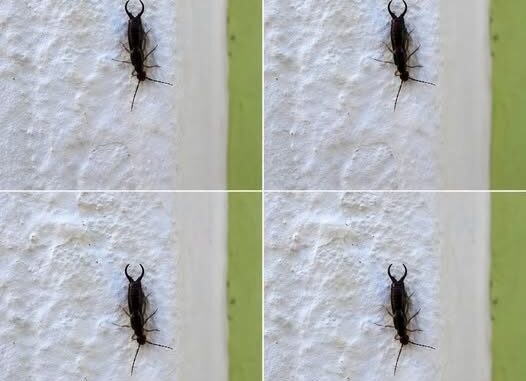
Finding an unfamiliar insect inside your home can be surprising, especially when you are not sure where it came from or why it appeared. In many cases, seeing an insect indoors is simply a sign that the conditions inside or around your home are providing food, moisture, warmth, or shelter that the insect finds suitable.
Instead of immediately worrying, it can be helpful to take a closer look at your surroundings. Identifying the insect, noticing where it appears, and checking for conditions that may attract insects can help you understand what is happening and decide whether any action is necessary.
Why Insects Enter Homes
Homes can provide many of the things insects naturally look for. Depending on the species, an insect may enter a building because it is searching for food, water, warmth, or a protected place to stay.
Certain areas of a house are more likely to attract insects than others. Kitchens, bathrooms, basements, garages, laundry rooms, and other areas with moisture or food sources can sometimes become appealing environments.
Small details can make a difference. Crumbs on floors or countertops, uncovered food, pet food left out for long periods, overflowing garbage, or moisture around sinks and appliances may provide opportunities for insects to remain indoors.
This does not necessarily mean your home is dirty. Even a well-maintained house can occasionally have insects inside. Weather changes, seasonal activity, nearby vegetation, and small openings around the building can all contribute to an insect finding its way indoors.
Keep Food and Water Sources Under Control
One of the simplest ways to make your home less attractive to unwanted insects is to reduce easily accessible food and moisture.
Try to clean kitchen surfaces regularly and remove food particles from floors and countertops. Food should be stored in containers with secure lids whenever possible. Garbage should also be emptied regularly, particularly when it contains food waste.
Moisture control is equally important. Check underneath sinks, around faucets, near washing machines, and around other plumbing fixtures for signs of leaks or excess water. Repairing a dripping faucet or leaking pipe can help keep areas of the home drier.
Good ventilation can also help. Bathrooms, laundry areas, and basements may benefit from improved airflow, especially when they tend to remain damp.
These basic household habits can help reduce the resources that many common insects need to survive.
Check for Small Entry Points
Insects do not need a large opening to enter a home. Small gaps around windows, doors, vents, pipes, and other openings can sometimes provide access.
Take a few minutes to inspect areas around exterior doors and windows. Damaged screens should be repaired, while visible gaps can often be sealed with an appropriate household material.
A properly fitted door sweep can also help close the space underneath an exterior door. In addition to insects, sealing these openings may help improve the overall condition and energy efficiency of a home.
Regularly checking these areas is especially useful when insects repeatedly appear near the same window, door, or wall.
Don’t Forget the Outdoor Areas
The area surrounding your home can also influence what enters the building. Gardens, shrubs, piles of leaves, firewood, and standing water can provide shelter or moisture for various insects.
Keeping plants and vegetation reasonably maintained around the exterior of your home can make inspections easier. Removing unnecessary piles of leaves and other organic material close to walls may also reduce potential hiding areas.
It is also worth checking for containers, buckets, plant trays, or other objects that collect rainwater. Emptying unnecessary standing water can help maintain a cleaner outdoor environment.
These steps are simple and do not require the use of strong chemical products.
When You Should Pay Closer Attention
Seeing one insect occasionally does not necessarily indicate a serious problem. Insects can enter through open doors, windows, clothing, packages, or other everyday routes.
However, if you repeatedly notice the same type of insect, find several insects in different rooms, or regularly see them in one particular area, it may be worth investigating further.
Pay attention to where the insects are appearing and whether there are any obvious sources of food, moisture, or access nearby. Taking a photograph can also be useful if you need help identifying the species later.
Accurate identification matters because different insects have different habits and may require different approaches.
Consider Professional Advice When Necessary
If insects continue appearing despite reasonable cleaning and maintenance, a licensed pest management professional can inspect the property and help determine where they are coming from.
A professional may be able to identify possible entry points, nesting areas, moisture problems, or other conditions that are contributing to the issue. They can also explain which solutions are appropriate for the particular situation.
It is generally better to understand the source of an insect problem before using pesticides. Unnecessary chemical use may not address the reason insects are entering in the first place.
For many households, prevention begins with simple steps: keeping food stored properly, managing moisture, maintaining clean areas, repairing openings, and keeping the exterior of the home in good condition.
A Few Simple Habits Can Make a Difference
Finding an unfamiliar insect indoors can be an opportunity to check your home rather than a reason to panic. In many situations, insects are responding to ordinary environmental conditions and may disappear once those conditions change.
Regular cleaning, proper food storage, moisture control, good ventilation, and basic home maintenance can all help create an environment that is less appealing to unwanted insects.
If insects become a recurring concern, identifying the species and understanding why they are appearing is a sensible first step. When needed, professional guidance can provide a practical way to address the situation.
By paying attention to both the inside and outside of your home, you can reduce common factors that attract insects and maintain a cleaner, more comfortable living environment.
Leave a Reply