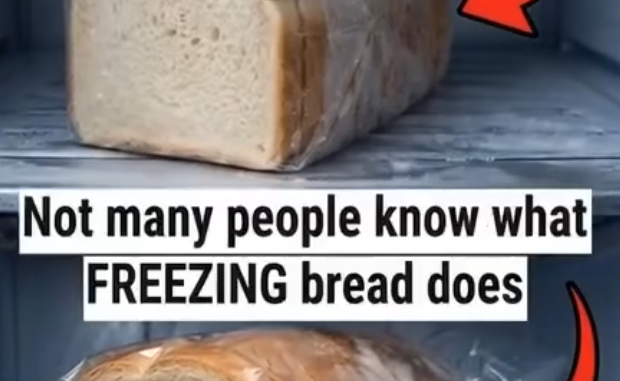
Bread is one of the most useful staples in the kitchen, but it can also be surprisingly quick to go stale. Whether you buy sliced sandwich bread, fresh rolls, bagels, or bake your own loaves, freezing is one of the simplest ways to extend its usable life.
When bread is packaged properly before freezing, its texture and flavor can remain enjoyable for weeks or even months. The key is to freeze it while it is still fresh, protect it from excess air, and thaw only the amount you need.
Why Freeze Bread?
Freezing bread can be useful for both convenience and food-waste reduction.
If you regularly buy more bread than your household can finish, freezing the extra portions allows you to save them for later instead of throwing them away. It can also be useful when buying bread in larger quantities or taking advantage of a sale.
Having frozen bread available means you can take out a few slices whenever needed rather than purchasing a new loaf every few days.
Freezing also works well for homemade bread, which often lacks the preservatives found in some commercial products.
Freeze Bread While It Is Fresh
One of the most important rules is to freeze bread before it becomes stale.
Freezing essentially preserves the condition of the bread at the time it enters the freezer. It does not restore bread that has already lost moisture or developed a stale texture.
If you know that you will not finish a loaf within a reasonable period, freezing it soon after purchasing or baking can help maintain better quality.
For homemade bread, allow the loaf to cool completely before packaging it for the freezer. Packaging warm bread can create condensation, which may affect its texture and encourage ice formation.
Slice the Bread Before Freezing
For many types of bread, slicing it before freezing is one of the most convenient approaches.
Instead of freezing an entire loaf and having to thaw everything at once, individual slices can be removed as needed.
If the bread is not already sliced, cut it into the portions you are most likely to use. Sandwich bread, for example, can be divided into individual slices, while larger loaves can be divided into manageable sections.
For pieces that tend to stick together, you can briefly freeze the slices separately before transferring them to their final storage container.
Use Proper Freezer Packaging
Packaging is essential because exposure to air can gradually cause freezer burn and moisture loss.
A sturdy freezer-safe bag is generally a practical option. Place the bread inside and remove as much excess air as possible before sealing it.
For additional protection, particularly when storing bread for a longer period, the bread can be wrapped before being placed inside a freezer bag or container.
The goal is to create a good barrier against air and moisture.
Vacuum sealing can provide another option for households that already have a vacuum sealer, although it is not necessary for successful bread freezing.
Label Everything
It is easy to forget how long something has been sitting in the freezer.
Writing the freezing date on the package makes it easier to keep track of older bread and use it before newer packages.
A simple label can include the type of bread and the date it was frozen.
This is particularly helpful if several varieties are stored together.
Store Bread in Convenient Portions
Think about how you normally use bread when deciding how to divide it.
If you usually make one or two sandwiches at a time, individual slices may be the most convenient option. If you are freezing dinner rolls for a family meal, storing several together may make more sense.
Dividing bread into practical portions reduces unnecessary thawing and helps prevent food waste.
It also makes freezer organization easier.
How Long Can Bread Stay Frozen?
Bread can remain frozen for considerably longer than it can remain fresh at room temperature, but quality gradually changes over time.
For the best texture and flavor, many types of bread are best used within roughly one to three months when properly packaged.
The exact period can vary depending on the type of bread, packaging, freezer conditions, and personal preferences.
Bread that has been frozen for longer may still be usable, but it can develop dryness, freezer burn, or changes in texture.
For that reason, freezing should be viewed primarily as a way to preserve quality rather than as a guarantee of indefinite freshness.
The Easiest Way to Thaw Individual Slices
Individual slices are particularly convenient because they do not always need to be fully thawed before use.
A frozen slice can be placed directly into a toaster in many cases. The heat both thaws and warms the bread, making it ready to eat quickly.
Alternatively, a slice can be left at room temperature for a short period until it becomes soft.
For sandwiches, allowing the bread to thaw naturally can work well when you are preparing other ingredients at the same time.
Thawing Rolls and Larger Loaves
Larger pieces of bread generally require more time.
Rolls can be allowed to thaw at room temperature and then briefly warmed in an oven if desired.
For a whole loaf, keeping it sealed while it comes to room temperature can help prevent excessive moisture loss. Once thawed, the loaf can be warmed briefly if a fresher crust and softer interior are desired.
The exact warming time depends on the size and type of bread, so it is better to use gentle heat and check frequently rather than overheating it.
What About the Microwave?
Microwaves can thaw bread quickly, but they can also produce an uneven texture.
Bread may become chewy or tough if it is heated for too long. If a microwave is used, short intervals and low power can help reduce the chance of overheating.
For many types of bread, however, a toaster, oven, or natural thawing tends to provide better texture.
Which Types of Bread Freeze Well?
Most common bread products can be frozen successfully when properly packaged.
These include:
- Sandwich bread
- Homemade loaves
- Hamburger buns
- Hot dog buns
- Dinner rolls
- Bagels
- English muffins
- Many muffins
- Croissants
- Some enriched breads
The results can vary depending on the recipe.
Breads containing ingredients such as eggs, butter, milk, or other fats may retain a pleasant texture after freezing. Lean artisan breads can also be frozen, although their crust and crumb may change somewhat during storage and thawing.
Homemade Bread and Freezing
Homemade bread can benefit particularly well from freezing because it may not contain preservatives designed to extend shelf life.
Once a homemade loaf has cooled completely, it can be sliced and packaged in portions.
Freezing some of the loaf soon after baking allows you to preserve it at a point when its texture and flavor are still at their best.
This can be especially useful for people who enjoy baking but do not want to eat an entire loaf within a few days.
Avoid Repeated Thawing and Refreezing
Repeated cycles of freezing and thawing can negatively affect bread quality.
Instead of repeatedly taking an entire package out of the freezer, divide the bread into portions before freezing.
This way, you can remove only what you need while leaving the rest frozen.
For example, freezing individual sandwich slices or small groups of rolls can make everyday use much easier.
What to Do With Bread That Has Lost Some Freshness
Even properly frozen bread may not taste exactly like freshly baked bread after thawing.
Fortunately, slightly dry bread can still be useful.
Toasting can improve the texture, while older bread can be turned into breadcrumbs, croutons, bread pudding, or other recipes.
This approach can prevent otherwise usable bread from being wasted.
Freezing Bread Can Save Time and Reduce Waste
A well-organized freezer can make everyday meal preparation easier.
Instead of worrying about whether an unopened loaf will go stale before it is finished, you can divide it into portions and freeze what you will not immediately use.
This can be particularly useful for households with changing schedules or people who do not eat bread every day.
It also provides flexibility when preparing breakfasts, lunches, sandwiches, or quick snacks.
Simple Steps for Freezing Bread
For the best results, keep the process simple:
1. Start with fresh bread.
Freeze it before it becomes stale.
2. Slice or divide it into useful portions.
This makes future thawing easier.
3. Package it carefully.
Use freezer-safe bags or airtight containers and remove excess air.
4. Label the package.
Write down the type of bread and freezing date.
5. Store it flat when practical.
This helps with organization and makes portions easier to retrieve.
6. Thaw only what you need.
Avoid unnecessary thawing and refreezing.
7. Use older packages first.
This helps maintain good freezer rotation.
Final Thoughts
Freezing bread is a simple kitchen habit that can help extend freshness, reduce waste, and make meal planning more convenient.
The most important factors are timing and packaging. Freezing bread while it is still fresh, dividing it into practical portions, protecting it from excess air, and keeping track of storage dates can all help preserve its quality.
Different breads respond somewhat differently to freezing, but most everyday varieties can be stored successfully when handled properly.
Whether you are saving part of a homemade loaf, keeping extra sandwich bread on hand, or simply trying to waste less food, the freezer can be an effective tool for keeping bread available when you need it.
Leave a Reply