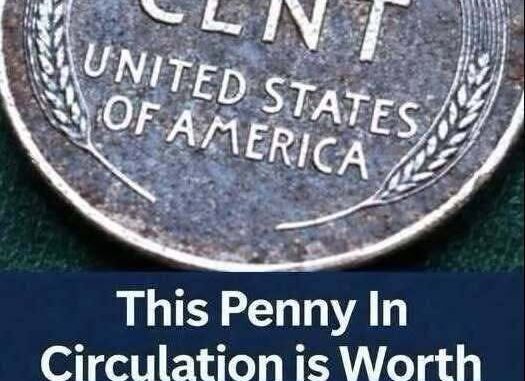
A penny may seem like one of the least valuable objects in an American pocket, but some pennies tell stories that stretch across generations.
For coin collectors, an old cent can represent much more than its face value. Its date, mint mark, condition, composition, and production history can reveal details about the period in which it was made.
Some pennies are common and remain worth only a cent. Others are harder to find and can attract collectors because of their age, rarity, historical importance, or unusual minting characteristics.
That is what makes penny collecting so interesting: sometimes, a seemingly ordinary coin can lead to a much bigger story.
How American Pennies Have Changed
The history of the American penny reflects changes in the country’s economy, technology, and culture.
Early American cents were produced in different sizes and compositions, while later issues became more standardized. The Indian Head cent, introduced in the 19th century, eventually gave way to the Lincoln cent in 1909, which remains one of the most recognizable designs in American coinage.
Over the decades, the materials used to produce cents have also changed.
Economic conditions, material availability, and major historical events have influenced the way pennies were manufactured. Wartime production is one well-known example, when the U.S. Mint changed the composition of the cent during World War II.
For collectors, these changes provide a way to connect individual coins with specific periods of American history.
What Makes a Penny Collectible?
Not every old penny is automatically valuable.
Collectors typically consider several characteristics when determining how interesting or desirable a coin may be.
Rarity is one of the most important factors. A coin produced in relatively small numbers or one with an unusually low surviving population can attract considerable attention.
Condition is another major consideration. A coin with sharp details, original surfaces, and limited wear may be more desirable than a heavily circulated example of the same date.
Minting errors can also make a coin especially interesting. Mistakes during the manufacturing process can create unusual characteristics that were never intended to appear on the finished coin.
Historical significance, demand among collectors, and authenticity can also influence a coin’s market value.
Don’t Overlook the Mint Mark
One of the smallest details on a penny can sometimes be important: the mint mark.
A mint mark identifies the facility where a coin was produced. Over the history of U.S. coinage, different facilities have used different identifying letters, and some coins were produced without a mint mark under specific circumstances.
The location of production can matter because certain dates and mint combinations were produced in smaller quantities than others.
For collectors building date-and-mint collections, identifying this tiny letter can be an essential part of determining exactly what coin they have.
Condition Can Make a Big Difference
Two pennies from the same year can look dramatically different after decades of circulation.
One may have spent years passing from person to person, developing scratches, worn details, and discoloration. Another may have been protected in a collection and retained much of its original appearance.
Collectors and professional grading companies use standardized systems to describe the condition of coins.
Factors such as surface preservation, sharpness of detail, luster, and evidence of wear can all influence a coin’s grade.
A higher grade does not automatically make every coin valuable, but condition can have a significant effect when dealing with genuinely scarce or desirable issues.
The Fascinating Story of Wartime Cents
World War II created unusual circumstances for American coin production.
Copper was an important strategic material during the war, so the U.S. Mint changed the composition of the Lincoln cent in 1943.
Most 1943 cents were made from zinc-coated steel, giving them a distinctive grayish appearance.
These wartime cents have become popular collectibles because they represent a specific moment in American history.
There is also a famous rarity associated with 1943: the 1943 bronze cent. A very small number of bronze planchets appear to have been struck with the 1943 design, creating an extremely rare error.
These coins are dramatically different from ordinary 1943 steel cents and have attracted significant attention from collectors.
However, finding a brown-colored 1943 penny does not automatically mean it is a rare bronze cent. Altered or damaged coins can sometimes resemble valuable examples, which is why professional authentication is important.
Why Minting Errors Are So Interesting
One of the most fascinating parts of coin collecting is discovering what went wrong during production.
Coins are manufactured through highly controlled processes, but mistakes can occasionally occur.
An error might involve the wrong planchet, an unusual strike, a missing design element, or another production anomaly.
Some errors are extremely rare, while others are relatively common.
Collectors therefore need to distinguish genuine mint errors from damage that happened after a coin left the Mint.
That distinction can require experience and professional examination.
Starting a Penny Collection
Coin collecting doesn’t necessarily require a large budget.
Many beginners start with coins already found at home or inherited from family members.
A simple collection can begin by sorting pennies by year and mint mark.
As you learn more, you can begin researching particular dates, varieties, errors, and historical periods.
Reference books, reputable numismatic organizations, established dealers, and professional grading companies can all provide useful information.
The more you learn, the easier it becomes to recognize the differences between an ordinary coin and one that deserves closer attention.
Be Careful With Stories About Extremely Valuable Pennies
Online stories about pennies selling for thousands or even hundreds of thousands of dollars can be fascinating, but they can also create unrealistic expectations.
A headline about one exceptional auction result does not mean every penny from the same year has similar value.
The exact variety, condition, authenticity, and market demand all matter.
Some coins that appear unusual may turn out to be ordinary examples. Others may have been altered after leaving the Mint.
Before buying, selling, or assigning a large value to a coin, collectors should verify the information through reputable numismatic sources or seek an evaluation from a qualified professional.
Never Clean a Potentially Valuable Penny
If you discover an old or unusual penny, one of the best things you can do is leave it alone.
Cleaning a coin may seem like a good way to make it look better, but polishing, chemicals, abrasive materials, or excessive rubbing can permanently damage the surface.
For collectible coins, original surfaces can be extremely important.
Instead of trying to improve its appearance, handle the coin carefully by its edges and place it somewhere safe until it can be properly examined.
How to Store Pennies Safely
Proper storage can help protect coins from unnecessary damage.
Collectors commonly use protective holders, albums, or other storage systems designed for coins.
Keeping coins away from excessive humidity, dirt, chemicals, and extreme environmental changes can help preserve their condition.
It is also useful to avoid handling collectible coins unnecessarily. Natural oils and dirt from your hands can affect delicate surfaces over time.
For particularly valuable pieces, professional storage and protective holders may offer additional safeguards.
The Real Value of Penny Collecting
The appeal of coin collecting goes far beyond money.
A penny can connect someone with a particular year, historical event, manufacturing technique, or period of American life.
A Lincoln cent from the early 20th century can provide a glimpse into an earlier era. A wartime steel cent can tell part of the story of America’s industrial response to World War II. A rare minting error can demonstrate how even highly organized manufacturing processes can occasionally produce unexpected results.
For many collectors, those stories are just as important as the potential financial value.
A Hobby Built Around Curiosity
The next time you receive a handful of pennies, it may be worth taking a moment to look at them.
Check the dates. Look for mint marks. Notice unusual designs or characteristics. If something seems particularly interesting, research it before making assumptions about its value.
Most pennies will remain ordinary coins.
But learning why certain examples are different can turn a simple piece of pocket change into a lesson in American history, manufacturing, economics, and craftsmanship.
That is ultimately what makes penny collecting so appealing.
The value of a coin isn’t always measured by its price. Sometimes, its greatest value comes from the story it carries—and from the curiosity it inspires in the person who takes the time to look closely.
Leave a Reply