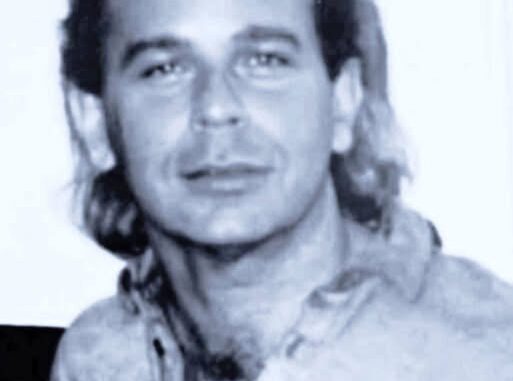
Born Lou Christie as Lugee Alfredo Giovanni Sacco, he carried a name that resonated larger than radio playlists, but it was his voice that truly demanded attention. In partnership with songwriter Twyla Herbert, Christie transformed the raw energy of adolescent emotion into something both theatrical and precise. Their most enduring collaboration, Lightning Strikes, did more than top charts—it captured the volatility of young love in a falsetto that cut cleanly through the noise of its era, resonating with teenagers who felt everything more intensely than the world around them could comprehend.
That sound became a marker of time. It echoed through basement dances, car radios, and the private intensity of first heartbreaks that seemed all-consuming. Christie’s voice didn’t simply perform emotion; it elevated it, giving shape and texture to feelings that listeners hadn’t yet learned how to name. Each note carried a mixture of longing, joy, and fragile desperation—the essence of youthful experience compressed into three minutes of song. It was a voice that invited listeners to lean in, to recognize their own vulnerabilities, and to feel them fully.
Away from the spotlight, those who knew him describe a gentler, more understated presence than his dramatic recordings might suggest. He answered fan letters long after fame could have made it unnecessary, offering patience and encouragement to those who had felt unheard. He carried his success without spectacle, choosing warmth and approachability over distance or grandeur. Colleagues remember his attentiveness, his quiet professionalism, and the rare ability to make everyone around him feel seen and respected. In later years, his life grew quieter, but the influence of his work did not recede; his songs remained part of the cultural fabric, threaded into the moments of memory for anyone who had ever heard them.
Christie’s artistry reflected a deep understanding of both musicality and emotion. His falsetto—high, precise, and unwavering—was not merely a gimmick; it was an instrument of storytelling. Each note he sang carried the duality of vulnerability and theatrical flair, making even the most melodramatic teenage lyric feel authentic. This combination allowed his songs to transcend the ephemeral nature of pop music, ensuring that they continued to resonate decades after their initial release. Lightning Strikes, Two Faces Have I, and Rhapsody in the Rain remain not just nostalgic relics but enduring testaments to the power of voice as both an instrument and a mirror of the human experience.
Now, as his recordings resurface in the wake of his passing, they feel less like artifacts and more like bridges. Each familiar note carries the reassurance that intensity, vulnerability, and the courage to feel deeply were once not only allowed, but celebrated. Lou Christie’s voice reminds us that music can capture the ineffable, that falsetto and melody can articulate the surges of emotion that words alone cannot. In a world that often undervalues genuine expression, his work serves as a testament to authenticity, passion, and artistry.
Some voices fade as time moves on. Others remain—threaded into the moments we revisit when we need reminding that we once felt everything at full volume, and that those feelings, however overwhelming, did not undo us. Lou Christie’s voice is one of those that stays. It lingers in the quiet corners of memory, the backseat radios of our youth, the long drives where heartbreak and joy mingled freely. It is a voice that demands to be remembered, not merely for the melodies, but for the way it made listeners feel seen and understood.
His passing leaves a silence in its wake, yet it is a silence filled with echoes: of teenage hearts beating faster in the car, of countless fans whispering lyrics under their breath, of the enduring lesson that to feel deeply is to live fully. Lou Christie’s legacy is not confined to charts or awards; it lives in every listener who dared to lean into the intensity he so effortlessly captured. His voice was, and remains, an invitation: to embrace emotion without apology, to honor the vulnerability that makes us human, and to recognize that some echoes, once heard, never fade.
In remembering Lou Christie, we remember not only the notes he sang, but the hearts he touched, the courage he inspired, and the timeless reminder that lightning may fade, but its echoes—like his music—remain.
Leave a Reply