Baking soda is a popular household ingredient known for its versatility in cooking, cleaning, and everyday odor control. Because it is affordable and widely available, many homeowners wonder whether it can help keep their toilets smelling fresh.
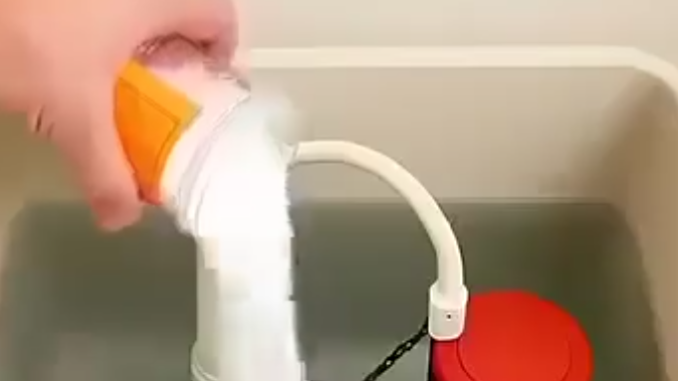
One common suggestion is to add baking soda to the toilet tank every month. However, this method is not necessary for every household, and its effectiveness depends on the source of the odor.
Understanding how baking soda works, why unpleasant bathroom smells develop, and which cleaning methods are appropriate can help you maintain a cleaner bathroom without unnecessary products or complicated routines.
What Is Baking Soda Used For?
Baking soda, also known as sodium bicarbonate, is a mild alkaline substance commonly used in baking and household cleaning. It can help neutralize certain acidic odors and assist with removing light residue from suitable surfaces.
However, it is not a universal cleaning solution. It cannot eliminate every stain, remove all mineral deposits, or resolve plumbing problems.
Its effectiveness depends on the type of dirt or odor involved and how it is used. For this reason, choosing the right cleaning method is more important than relying on one ingredient for every household task.
Why Does Your Toilet Sometimes Smell Unpleasant?
Before trying a home remedy, identify where the odor is coming from. Several issues can cause a bathroom to develop an unpleasant smell.
- Residue beneath the toilet rim: Hidden deposits and organic material can accumulate in areas that are easily missed during routine cleaning.
- Mineral buildup: Hard water may leave deposits inside the bowl that require a suitable cleaning product.
- The area around the toilet base: Moisture, dirt, or a damaged seal may contribute to persistent odors.
- Nearby drains: Soap residue, hair, and other buildup can cause unpleasant smells around sinks, showers, and floor drains.
- Plumbing problems: A dry drain trap, damaged seal, or ventilation issue may allow sewer odors to enter the bathroom.
The correct solution depends on the cause. Adding baking soda will not fix a faulty seal or an underlying plumbing problem.
Can Baking Soda Help With Toilet Odors?
Baking soda may help with certain mild odors and light cleaning tasks. When used appropriately, it can be a useful addition to some household cleaning routines.
However, it should not be considered a guaranteed toilet deodorizer. Odors caused by surface residue may require scrubbing, while mineral deposits may need a cleaner designed specifically for that purpose.
If the smell comes from the plumbing system, professional inspection may be necessary.
It is also important to distinguish between the toilet bowl and the toilet tank. The bowl is designed for routine cleaning, whereas the tank contains valves, seals, and other mechanical components.
Before adding any substance to the toilet tank, check the manufacturer’s instructions. Some manufacturers advise against cleaning additives because they may affect internal components. Regularly adding baking soda is not a universal maintenance requirement.
Should You Put Baking Soda in the Toilet Tank Every Month?
There is no general requirement to add baking soda to a toilet tank monthly. If your toilet is functioning properly and has no unusual odor, doing so may offer little practical benefit.
A better maintenance routine focuses on cleaning the bowl, wiping exterior surfaces, checking for leaks, and following the manufacturer’s recommendations.
If an unpleasant smell continues despite regular cleaning, investigate the source rather than repeatedly adding household ingredients to the tank.
How to Clean Your Toilet Effectively
A simple cleaning routine can help prevent ordinary odors and keep bathroom surfaces fresh.
- Choose the right cleaner. Use a toilet-cleaning product suitable for your toilet and the type of buildup present.
- Apply it according to the label. Follow the recommended instructions and contact time.
- Scrub the bowl. Pay attention to the waterline and the underside of the rim.
- Flush as directed. Make sure visible residue has been removed.
- Clean the exterior. Wipe the seat, lid, handle, and surrounding floor with suitable products.
- Check for lingering odors. If the smell remains, consider whether it originates from a nearby drain or a plumbing issue.
Never mix cleaning products, particularly bleach with acidic cleaners or ammonia-based products, because dangerous gases can be released. Always follow product labels and ventilate the bathroom appropriately.
What If the Odor Does Not Go Away?
Persistent smells may indicate a problem that ordinary cleaning cannot resolve.
If the odor resembles sewer gas, seems strongest near the toilet base, or returns shortly after cleaning, contact a qualified plumber. A damaged seal, drainage issue, or plumbing ventilation problem may need attention.
Addressing the underlying cause is generally more effective than masking the smell with fragrances or repeatedly applying cleaning ingredients.
Simple Habits for a Fresher Bathroom
Maintaining a pleasant bathroom does not require an elaborate routine. A few consistent habits can make a meaningful difference.
- Clean the toilet bowl and surrounding surfaces regularly.
- Keep bathroom floors and damp areas clean and dry.
- Inspect the toilet for leaks or signs of damage.
- Maintain nearby drains according to their manufacturer’s recommendations.
- Use cleaning products only for their intended purposes.
- Investigate unusual or persistent odors instead of ignoring them.
These straightforward steps can help maintain a cleaner bathroom while reducing the likelihood of recurring problems.
Final Thoughts
Baking soda can be useful for certain household cleaning and odor-control tasks, but it is not a solution for every toilet problem. Adding it to the toilet tank every month is generally unnecessary unless a manufacturer specifically recommends an appropriate product or procedure.
For everyday toilet odors, proper bowl cleaning and attention to the surrounding surfaces are sensible starting points. If the smell persists, identifying the underlying cause is essential.
A clean bathroom starts with the right maintenance habits, suitable
Leave a Reply