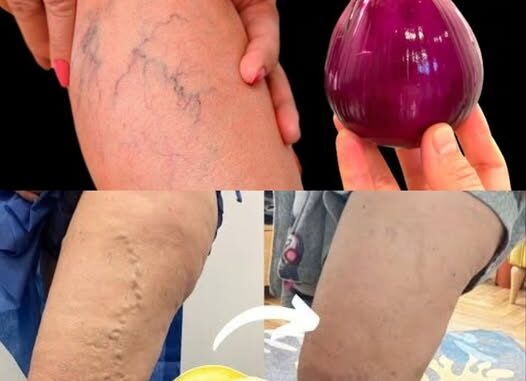
Experiencing discomfort in the legs or joints is something many people go through at different stages of life. Whether it’s caused by long hours of standing, physical activity, aging, or everyday strain, these aches can make even simple movements feel challenging.
While there are many medical treatments available, a growing number of people are also exploring natural approaches to support their comfort and mobility. These methods don’t replace professional medical advice, but they can complement a healthy lifestyle and help promote overall well-being.
In this guide, we’ll explore gentle, natural strategies that may help support joint and leg comfort in a safe and balanced way.
Understanding Leg and Joint Discomfort
Before looking at natural options, it’s helpful to understand why discomfort can occur in the first place.
Joints are where two bones meet, allowing movement and flexibility. Over time, factors such as wear and tear, muscle tension, or reduced circulation can contribute to stiffness or soreness. The legs, which carry the body’s weight throughout the day, are especially prone to fatigue.
Common contributors include:
- Prolonged sitting or standing
- Lack of movement or exercise
- Muscle strain or overuse
- Age-related changes
- Poor posture or alignment
Because there can be many underlying causes, it’s always a good idea to pay attention to your body and consult a professional if discomfort becomes persistent.
1. Gentle Movement and Stretching
One of the simplest ways to support joint flexibility is through regular, gentle movement.
When the body stays still for too long, joints can become stiff. Light stretching and low-impact exercises—such as walking, yoga, or basic mobility routines—can help maintain flexibility and keep muscles active.
A few simple ideas include:
- Slow ankle rotations
- Light leg stretches in the morning
- Short walks throughout the day
Consistency matters more than intensity. Even a few minutes of movement can make a difference over time.
2. Warm Compress for Relaxation
Applying gentle warmth to sore areas is a traditional method many people find comforting.
A warm towel or heating pad may help relax tight muscles and promote a feeling of ease in the area. This can be especially helpful after a long day or before bedtime.
Tips for safe use:
- Keep the temperature moderate (not too hot)
- Limit sessions to 15–20 minutes
- Place a cloth between heat source and skin
Warmth doesn’t “fix” the problem directly, but it can support relaxation and temporary comfort.
3. Natural Oils for Massage
Massage is another popular approach for easing tension in the legs and joints. Using natural oils can enhance the experience and help the skin stay nourished.
Some commonly used oils include:
- Coconut oil
- Olive oil
- Almond oil
Gently massaging the legs or joints in circular motions may help improve circulation and reduce stiffness sensations.
For added comfort, some people like to warm the oil slightly before applying it. This creates a soothing effect and can make the massage more relaxing.
4. Staying Hydrated
It may seem simple, but hydration plays an important role in overall body function.
Water supports circulation, helps maintain tissue health, and contributes to joint lubrication. When the body is dehydrated, stiffness and fatigue can feel more noticeable.
Try to:
- Drink water regularly throughout the day
- Increase intake during physical activity or warm weather
Even small improvements in hydration habits can support overall comfort.
5. Balanced Nutrition for Joint Support
What you eat can also play a role in how your body feels.
A balanced diet that includes a variety of whole foods may support joint health and overall well-being. Some nutrients are often associated with maintaining healthy tissues, such as:
- Omega-3 fatty acids (found in fish, seeds, and nuts)
- Vitamin D and calcium (important for bone support)
- Antioxidants (found in fruits and vegetables)
Colorful foods like berries, leafy greens, and citrus fruits are often included in diets focused on general health and vitality.
6. Rest and Recovery
Sometimes, the body simply needs time to recover.
If your legs or joints feel overworked, taking breaks and allowing proper rest is essential. Overexertion without recovery can increase discomfort.
Helpful habits include:
- Elevating your legs after long periods of standing
- Getting enough sleep each night
- Alternating activity with rest
Listening to your body’s signals is one of the most effective ways to prevent further strain.
7. Maintaining a Healthy Weight
Carrying extra weight can place additional stress on joints, especially in the knees and hips.
Maintaining a balanced weight through healthy eating and regular activity may reduce pressure on these areas and support easier movement.
This doesn’t require extreme changes—small, consistent lifestyle adjustments can make a meaningful difference over time.
8. Herbal Teas for Relaxation
Certain herbal teas are often enjoyed for their calming properties and may support relaxation after a long day.
Options like ginger tea, chamomile, or turmeric-based drinks are commonly included in wellness routines. While they are not treatments, they can be part of a soothing evening habit.
Enjoying a warm cup before bed can help create a sense of comfort and routine.
9. Comfortable Footwear Matters
What you wear on your feet can affect how your legs and joints feel.
Shoes that lack support may contribute to discomfort over time. Choosing footwear with proper cushioning and arch support can help distribute weight more evenly and reduce strain.
If you spend long hours on your feet, investing in comfortable shoes can make a noticeable difference.
10. When to Seek Professional Advice
Natural approaches can be helpful for general comfort, but they are not a substitute for medical care.
If you experience:
- Persistent or severe pain
- Swelling that doesn’t improve
- Difficulty moving or walking
It’s important to consult a healthcare professional for proper evaluation and guidance.
Early attention can help prevent more serious issues and provide the right course of action.
Final Thoughts
Taking care of your legs and joints doesn’t always require complicated solutions. Often, it’s the combination of small, daily habits—movement, hydration, rest, and mindful choices—that supports long-term comfort.
Natural methods can play a valuable role in this process, especially when used as part of a balanced lifestyle. The key is consistency, patience, and paying attention to what your body needs.
Everyone’s experience is different, so it’s important to find what works best for you while staying mindful of your overall health.
By making simple adjustments and caring for your body step by step, you can support better mobility, greater comfort, and a more active daily life.
Leave a Reply