Social media is filled with eye-catching claims about household plants. You’ve probably seen headlines promising that certain plants bring luck, attract wealth, improve energy, or even protect your home from negativity.
While many of these statements are exaggerated, there is often a small amount of truth behind the popularity of these plants.
The reality is that indoor plants can absolutely improve your environment — just not always in the magical way viral posts suggest.
From creating a calmer atmosphere to encouraging relaxation and routine, plants can have a surprisingly positive effect on daily life.
Here’s a closer look at some of the most popular houseplants and what they may actually offer.
 Snake Plants: Stylish, Low-Maintenance, and Surprisingly Helpful
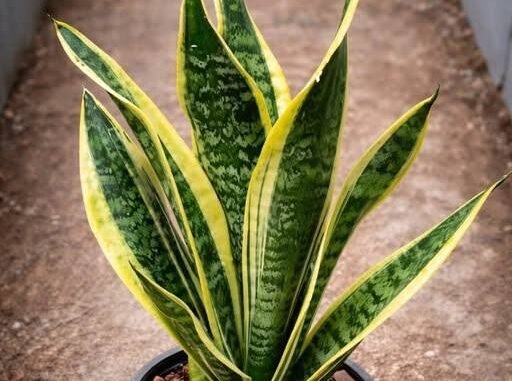
One of the most talked-about houseplants online is the Snake Plant, also known as Sansevieria or mother-in-law’s tongue.
You may have heard claims that if you own one, your air is dramatically cleaner.
This idea comes from a famous NASA study that explored how certain plants can help remove small amounts of indoor pollutants like formaldehyde and benzene.
The Reality
Snake plants can contribute slightly to indoor air quality, but the effect is often overstated online. In real-world conditions, you would need a very large number of plants to noticeably impact air quality compared to proper ventilation or an air purifier.
What You Really Gain
What makes snake plants so valuable is their practicality.
They are:
- Extremely easy to care for
- Tolerant of low light
- Resistant to neglect
- Visually calming and attractive
For many people, simply adding greenery to a room makes the space feel more peaceful and welcoming.
 Money Plants and Jade Plants: Symbols of Growth and Prosperity
Plants like pothos and jade are often called “money plants” in popular culture and traditions such as Feng Shui.
Many posts claim these plants attract financial success, abundance, or positive energy.
The Reality
There is no scientific evidence that a plant can directly improve finances or create wealth.
What You Really Gain
What these plants do provide is a powerful visual reminder of growth, consistency, and care.
Healthy plants naturally symbolize progress because they continue growing over time when properly maintained
That simple psychological effect can positively influence mindset and motivation.
In addition, these plants are popular because they are:
- Attractive indoors
- Easy to maintain
- Fast-growing
- Adaptable to different environments
Sometimes the emotional impact of nurturing something successfully can be more meaningful than any superstition.
 Lavender: A Plant Linked to Relaxation
Lavender is one of the few plants associated with benefits that actually have meaningful scientific support.
People often claim lavender helps reduce stress and improve sleep.
The Reality
Research suggests lavender’s scent may help promote relaxation and reduce anxiety in some individuals, particularly when used in oils or aromatherapy.
While it is not a cure for sleep disorders or chronic stress, many people find the scent calming and comforting.
What You Really Gain
Lavender can help create a more peaceful atmosphere in your home through:
- A soothing fragrance
- A calming environment
- Stress-reducing routines
- Visual beauty and natural color
Even small sensory changes can influence mood more than people realize.
 Why Indoor Plants Feel So Good
The biggest benefit of keeping plants indoors may not come from mystical claims at all.
Instead, plants often improve spaces in simple but meaningful ways
Having plants in your home may help create:
- A calmer atmosphere
- A stronger connection to nature
- A more inviting environment
- A sense of routine and responsibility
- Small moments of mindfulness during daily care
For many people, caring for plants becomes therapeutic.
Watering, pruning, repotting, and watching something grow over time can provide a grounding routine that feels relaxing in a fast-paced world.
The Psychological Benefits of Green Spaces
Researchers have long studied the effects of nature on mental well-being.
Even limited exposure to greenery indoors may help people feel:
- More relaxed
- Less mentally fatigued
- More connected to their environment
- More comfortable at home
This is one reason offices, hospitals, and public spaces often include plants in their design.
Natural elements can subtly change the emotional feel of a room.
 A Quick Reality Check About Viral Plant Claims
While plants absolutely offer benefits, it’s important to approach viral claims with realistic expectations.
Be cautious of posts claiming plants can:
- Cure illnesses
- Eliminate all indoor toxins
- Literally absorb “negative energy”
- Guarantee wealth or success
- Provide supernatural protection
Plants are wonderful additions to a home, but they are not magical solutions to health, financial, or emotional problems.
Choosing the Right Plant for Your Space
One reason indoor plants have become so popular is that there are options for nearly every lifestyle and skill level.
Some of the easiest beginner-friendly choices include:
- Snake Plant
- Pothos
- ZZ Plant
- Spider Plant
These plants are popular because they tolerate a wide range of indoor conditions and require relatively little maintenance.
Plants as Part of a Healthy Home Environment
Although houseplants are not miracle workers, they can absolutely contribute to a healthier-feeling home.
Combined with good lighting, ventilation, organization, and comfortable design, plants help create spaces that feel more balanced and relaxing.
Even one small plant on a desk, shelf, or windowsill can make a room feel more alive.
Final Thoughts
If you have plants in your home, you probably don’t have magical protection, guaranteed fortune, or instant success.
But you do have something valuable.
You have a living element that brings softness, color, calm, and a small connection to nature into everyday life.
And sometimes, that simple shift in atmosphere can make a bigger difference than any viral headline promises.
A plant doesn’t need supernatural powers to improve a space.
Sometimes a little more green, a little more care, and a little more life is already enough.
Leave a Reply