Electricity powers nearly every aspect of modern life. From our smartphones and laptops to kitchen appliances and entertainment systems, almost everything in our homes relies on it. While we take electricity for granted today, it’s hard to imagine life before it—a time when people relied on gas lamps, wood stoves, and hand-powered devices. Home Appliances
Yet, as convenient as electricity is, it comes with hidden risks if misused. One of the most common household tools for managing multiple devices is the power strip. Power strips are perfect for charging phones, powering lamps, or connecting a small home office setup. But there’s a catch: not all devices are safe to plug into a power strip.
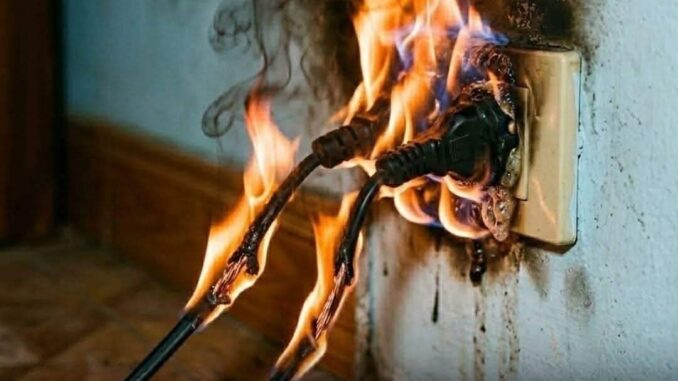
Many appliances draw high amounts of power, and when connected to a strip, they can easily overload the circuit, potentially causing overheating, damage to your electronics, or even a fire. Understanding which appliances are safe—and which are not—is crucial for household safety.
Before you plug anything in, always check the power rating of the appliance and the strip. Most power strips list a maximum wattage or amperage, and exceeding this can create serious hazards. High-capacity appliances don’t have to be large in size to draw substantial power. Here’s a detailed list of nine things you should never plug into a power strip.
1. The Oven
Ovens are designed to pull a significant amount of electricity, especially when preheating or using high temperatures. Even though an oven isn’t typically used continuously, it requires its own dedicated circuit. Plugging it into a power strip can easily exceed the strip’s maximum load, risking overheating or fire.
Tip: Always plug ovens directly into a wall outlet on a dedicated circuit to ensure safe operation.
2. Refrigerator
Refrigerators cycle on and off throughout the day, drawing substantial power each time the compressor kicks in. If plugged into a power strip, this constant cycling can overload the strip and even damage both the appliance and the strip itself.
Tip: Like ovens, refrigerators should always have a dedicated wall outlet. Avoid using extension cords or strips altogether.
3. Washing Machine
When operating, washing machines can draw up to 1,400 watts, close to the maximum capacity of most standard power strips. They also run for extended periods, often unattended, which increases the risk of overheating if plugged into a strip.
Tip: Washing machines must be connected directly to a wall outlet on their own circuit to prevent fire hazards and ensure proper function.
4. Portable Heaters
Space heaters are notorious for using high amounts of electricity—often around 1,500 watts on high settings—and running for long periods. Power strips are not equipped to handle this level of continuous draw, making heaters one of the most common causes of electrical fires.
Tip: Always plug heaters directly into wall outlets and never leave them unattended.
5. Microwave
Microwave ovens consume a substantial amount of energy in short bursts. Although it may seem harmless, a microwave’s power draw is too high for a standard power strip.
Tip: Connect your microwave directly to a wall outlet and ensure the circuit can handle its load without tripping breakers.
6. Coffee Maker
Many coffee makers use over 1,000 watts of power when brewing, often running multiple cycles in the morning. While convenient, plugging them into a power strip risks overloading it, especially if other devices are also connected.
Tip: Plug coffee makers directly into the wall to avoid overheating or fire hazards.
7. Toaster
Toasters may seem small and harmless, but they draw a lot of energy when in use. Using one on a power strip can easily exceed the strip’s capacity, causing it to overheat or fail.
Tip: Always plug toasters directly into a wall outlet, and never attempt to run multiple high-wattage appliances on a single strip.
8. Another Power Strip
Daisy-chaining power strips—plugging one into another—is a dangerous habit. It’s common in offices or entertainment setups, but it violates electrical codes and can easily lead to overloading the circuit, overheating, or electrical fires.
Tip: Use a single power strip per outlet, and invest in a higher-capacity surge protector if you need more plugs.
9. Sensitive Electronics (Computer, TV, Router, Gaming Console)
Although these devices don’t draw huge amounts of power, they are sensitive to surges and electrical inconsistencies. A standard power strip without surge protection won’t protect these devices from spikes caused by other appliances or power fluctuations.
Tip: Use a dedicated surge protector for sensitive electronics, ensuring they are safe from sudden surges while maintaining proper function.
Final Safety Tips
- Check the Wattage: Always verify the maximum wattage of both the appliance and the power strip before plugging in.
- Use Surge Protectors for Electronics: Protect computers, TVs, and other sensitive devices from unexpected surges.
- Avoid Daisy-Chaining: Never plug one power strip into another. This is a leading cause of fires.
- High-Wattage Appliances Need Wall Outlets: Appliances like ovens, microwaves, heaters, and washing machines require dedicated circuits.
Power strips are excellent for low-wattage devices like lamps, chargers, and small home electronics—but only if used responsibly. Overloading a strip can result in melted plastic, burned wires, or even a catastrophic fire.
By understanding which appliances are safe for a power strip—and which are not—you can protect your home, your devices, and your family.
Leave a Reply