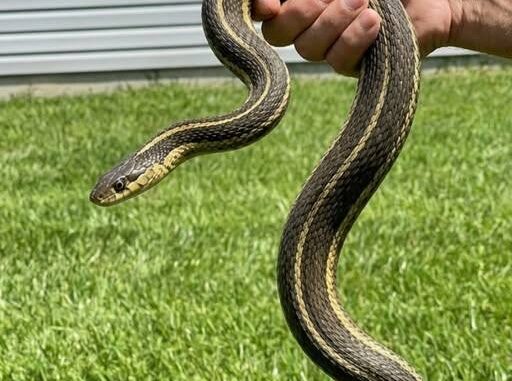
Seeing a snake in your yard can be surprising and sometimes unsettling, especially if you have children or pets spending time outdoors. While most snakes are not dangerous and generally avoid people, many homeowners still prefer to discourage them from settling near their homes.
The good news is that keeping snakes away often starts with simple yard maintenance and a few natural prevention methods. Instead of relying on harsh chemicals or harmful traps, you can make your outdoor space less attractive to snakes in safe and practical ways.
Here are eight easy strategies that may help reduce snake activity around your home while keeping your yard safer for your family and pets.
1. Reduce Food Sources Around Your Yard
Snakes usually follow food. Areas with rodents, insects, frogs, or other small animals naturally attract them.
To make your yard less appealing:
- Store pet food indoors
- Keep garbage bins tightly sealed
- Clean up fallen fruit from trees
- Avoid leaving piles of birdseed on the ground
- Secure compost bins properly
Reducing rodents and pests around your property can significantly lower the chances of snakes visiting regularly.
2. Keep Grass and Landscaping Well Maintained
Tall grass, dense shrubs, and overgrown landscaping provide excellent hiding places for snakes. A cluttered yard allows them to move around unnoticed and stay protected from predators.
Regular yard maintenance can help:
- Mow grass frequently
- Trim bushes and hedges
- Remove leaf piles and debris
- Clear overgrown weeds
- Keep garden beds organized
A cleaner, more open yard makes snakes less likely to remain in the area.
3. Remove Common Hiding Spots
Snakes prefer dark, sheltered places where they can rest safely during the day. Wood piles, unused equipment, stacked rocks, and cluttered storage areas often become ideal hiding locations.
Try to:
- Elevate firewood off the ground
- Organize storage sheds and garages
- Remove unnecessary outdoor clutter
- Limit piles of bricks, lumber, or scrap materials
The fewer hiding places available, the less comfortable snakes may feel staying nearby.
4. Seal Gaps Around Your Home
Even small openings around a house can provide entry points for snakes. Checking your home’s exterior can help prevent them from moving indoors.
Inspect areas around:
- Doors and windows
- Foundation cracks
- Utility pipes and vents
- Garage doors
- Crawl spaces
Using weather stripping, mesh screens, or sealant can help close potential access points.
5. Try Natural Snake Deterrents
Some homeowners use natural scents that snakes may dislike. While results can vary, certain essential oil combinations are commonly used as gentle deterrents.
Popular options include:
- Clove oil
- Cinnamon oil
- Citrus-based sprays
These can be lightly sprayed around patios, porches, fences, and other outdoor areas. Natural repellents are often preferred over strong chemical products, especially in households with pets or children.
6. Plant Snake-Resistant Landscaping
Certain plants are believed to discourage snakes because of their strong scents or dense root systems.
Some commonly suggested plants include:
- Lemongrass
- Marigolds
- Garlic
- Onion plants
Although plants alone may not fully prevent snakes, they can be part of a broader yard management strategy while also enhancing your landscaping.
7. Be Careful With Chemical Products
Some commercial snake repellents and pest-control products contain chemicals that may pose risks to pets, wildlife, or children if used incorrectly.
If you choose to use any deterrent product:
- Read labels carefully
- Follow safety instructions
- Avoid overapplication
- Keep products away from play areas and pet spaces
Many homeowners prefer starting with non-toxic prevention methods before considering stronger products.
8. Contact Professionals for Dangerous Snakes
If you encounter a snake you cannot identify or suspect may be venomous, avoid approaching or attempting to handle it yourself.
Instead:
- Keep children and pets away
- Observe from a safe distance
- Contact local animal control or wildlife professionals
Many snakes are harmless and beneficial because they help control rodent populations. Humane removal by trained professionals is often the safest solution for both people and wildlife.
Why Prevention Works Best
The most effective way to discourage snakes is by making your yard less attractive to them in the first place. Snakes are usually searching for three things:
- Food
- Shelter
- Protection
When those conditions are reduced, snakes are more likely to move elsewhere naturally.
Combining several simple prevention methods — like trimming vegetation, reducing clutter, sealing gaps, and limiting rodent activity — can create a safer and more comfortable outdoor environment.
Final Thoughts
Snakes are an important part of the ecosystem and usually prefer avoiding human contact. Still, taking a few practical precautions can help reduce unwanted encounters around your home.
Leave a Reply