After understanding what was happening, it helps to look a little deeper at why pizza develops those dramatic bubbles in the first place, because it’s actually a fascinating part of baking science rather than a defect.
When pizza dough goes into a very hot oven, especially temperatures used in pizzerias or home ovens set to maximum heat, the moisture inside the dough rapidly turns into steam. At the same time, the dough’s outer surface begins to set and harden. This combination creates the perfect condition for air pockets to form and expand.
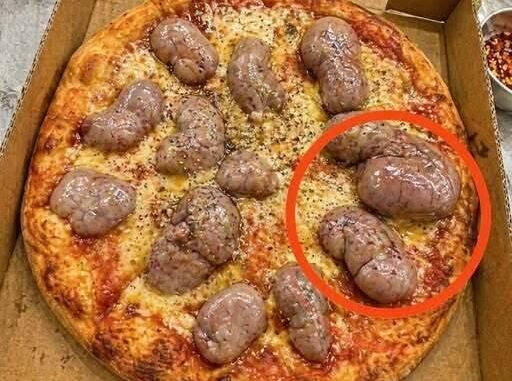
If the surface layer seals quickly—often because of melted cheese or sauce covering parts of the dough—the steam has nowhere to escape. Instead, it pushes upward, inflating the dough like a small balloon. That’s what creates those shiny, sometimes dramatic bubbles that can look surprising when you’re not expecting them.
Cheese can also contribute to the effect. As it melts, it forms a flexible layer that traps heat and moisture underneath. This can intensify bubbling in certain areas, especially where cheese coverage is thick or uneven. In high-temperature ovens, this process happens very quickly, which is why the bubbles can look so sudden and extreme.
Interestingly, not all bubbles are considered the same in pizza-making. In professional baking, these blistered spots are often seen as part of a well-developed crust. They can create a contrast in texture, giving the pizza both soft and airy sections alongside crisp, toasted areas. Many artisanal pizzerias actually aim for this effect because it adds character to the final product.
The type of dough also matters. Hydration levels, fermentation time, and gluten development all influence how easily gas can form and expand during baking. A well-fermented dough contains natural gases created by yeast activity, and those gases expand rapidly under heat. If the dough hasn’t been fully docked or pressed evenly, pockets of air remain trapped, increasing the likelihood of bubbling.
From a consumer perspective, these details aren’t usually visible until the pizza is fully baked, which is why the result can sometimes be unexpected. What looks strange at first glance is actually the combination of chemistry, heat, and timing working exactly as intended.
Another important point is that these bubbles don’t affect safety. They are not a sign of spoilage, contamination, or poor-quality ingredients. Instead, they are simply structural reactions within the dough as it cooks. Once the pizza cools slightly, many of the bubbles settle or collapse naturally, leaving behind a completely normal crust.
In fact, some pizza enthusiasts consider bubbles a sign of authenticity, especially in Neapolitan-style or wood-fired pizzas. The slight char, uneven blistering, and airy pockets are often associated with traditional high-heat baking methods that prioritize flavor and texture over perfect uniformity.
So while those swollen pockets of air might look unusual at first, they are actually part of what gives pizza its character. What seemed like a mistake is really just a natural outcome of how dough behaves under intense heat.
In the end, the experience is a good reminder that not everything visually unexpected is a sign of something wrong. Sometimes, it’s just food doing exactly what it was designed to do in the oven.
Continuing from that idea, it’s worth exploring how small details like pizza bubbles can easily trigger a strong emotional reaction, even when nothing is actually wrong. This happens because the human brain is constantly trying to categorize what it sees as either safe or unsafe, especially when it comes to food. Anything that looks unusual compared to our past experiences can briefly register as a potential risk, even if all other senses suggest everything is normal.
This reaction is part of an ancient survival system. For most of human history, identifying spoiled or unsafe food quickly was essential. Our ancestors couldn’t rely on labels, expiration dates, or packaging. Instead, they depended on visual cues, smell, and instinct. Over time, this created a strong sensitivity to anything that looks “off,” even in modern situations where food is far more controlled and regulated.
That’s why something as simple as a pizza bubble can feel surprisingly alarming at first glance. The appearance breaks expectations. We expect smooth, even cheese and a consistent surface, so when we see inflated, shiny pockets instead, the brain briefly flags it as unfamiliar. In reality, nothing about the pizza has changed in a harmful way—the ingredients are still the same, and the cooking process is just revealing natural reactions within the dough.
Once you understand this, the experience becomes less about fear and more about curiosity. It opens up a small window into the science of cooking, where heat, moisture, and fermentation all interact in complex but predictable ways. Pizza, in particular, is a great example because it combines bread chemistry, dairy behavior, and high-temperature baking in a single dish.
Even the timing of when a pizza is opened can influence perception. Fresh out of the oven, bubbles are more pronounced because the trapped steam is still active and expanding. As the pizza cools, those same bubbles often settle, shrink, or become less noticeable. What initially looked dramatic can appear completely ordinary just a few minutes later, simply due to temperature changes.
There’s also an interesting cultural aspect to this. In some culinary traditions, imperfection is actually part of the appeal. Artisanal baking often values irregular shapes, blistered surfaces, and uneven textures because they signal high heat, fast cooking, and traditional methods. A perfectly uniform pizza, while visually neat, can sometimes indicate a lower-temperature bake that doesn’t develop the same depth of flavor or texture.
Understanding this can change how we perceive food in general. Many things that initially seem like mistakes are actually signs of specific cooking techniques. For example, browning on cheese is a result of protein and sugar reactions known as the Maillard reaction, which creates rich flavor. Slight charring on crust can add bitterness and complexity that enhances the overall taste. Even air pockets in bread or pizza dough contribute to a lighter, more enjoyable bite.
When you step back and look at it this way, the “strange” pizza becomes less of a concern and more of a lesson in how food works. What felt uncertain at first turns into a clear example of natural processes happening exactly as expected. Nothing was ruined, nothing was wrong—just chemistry doing its job inside an oven.
This kind of shift in understanding can be surprisingly powerful. It shows how quickly perception changes once knowledge replaces uncertainty. A moment of doubt can turn into appreciation simply by learning what’s really going on. And in everyday life, this applies to far more than just food. Many situations that feel confusing or unsettling at first become completely normal once we understand the context behind them.
In the case of pizza bubbles, the truth is simple: heat creates steam, steam creates pressure, and pressure creates bubbles. It’s a natural, harmless, and even desirable part of baking. What looked like a flaw was actually a signature of proper cooking technique.
So the next time you open a pizza box and see those shiny, inflated pockets, there’s no need for concern. Instead, it can be seen as a reminder that good food often comes with small surprises—and that sometimes, what looks unusual is exactly what makes it delicious in the first place.
Leave a Reply