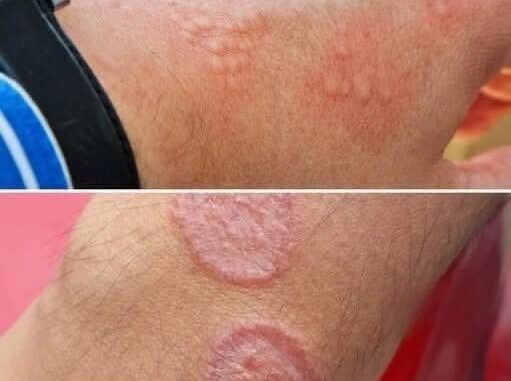
Skin irritation can appear unexpectedly and quickly become uncomfortable or concerning. Redness, itching, dry patches, or circular rashes are among the most common skin symptoms people experience, and while many cases are mild, persistent changes in the skin should never be ignored.
Conditions such as Eczema, Contact Dermatitis, and Ringworm often share similar symptoms, making it difficult for people to identify the exact cause without medical guidance.
Understanding the warning signs, common triggers, and treatment approaches can help individuals respond early and reduce the risk of worsening irritation.
Why Skin Reactions Happen
The skin acts as the body’s protective barrier, constantly exposed to environmental factors such as heat, sweat, allergens, bacteria, chemicals, fabrics, and moisture. When this barrier becomes irritated or inflamed, visible symptoms may appear.
Several factors may contribute to skin reactions, including:
- Allergies
- Excess sweating
- Dry skin
- Fungal exposure
- Harsh soaps or detergents
- Stress
- Changes in weather
- Sensitivity to fabrics or skincare products
Because different conditions can look similar at first, many people confuse fungal infections with allergic reactions or eczema.
Understanding Eczema
Eczema is one of the most common inflammatory skin conditions worldwide. It frequently causes:
- Dryness
- Itching
- Redness
- Cracked skin
- Irritated patches
Symptoms may appear on the hands, arms, legs, neck, or face and often worsen during periods of stress, cold weather, or exposure to irritants.
Scratching eczema can further damage the skin barrier, increasing irritation and discomfort.
Medical experts note that eczema is not contagious, though it can become chronic for some individuals if not properly managed.
Contact Dermatitis and Skin Sensitivity
Contact dermatitis occurs when the skin reacts to something it touches. This may include:
- Cleaning chemicals
- Soaps
- Perfumes
- Cosmetics
- Plants
- Metals such as nickel
- Certain fabrics
The affected area may become red, itchy, swollen, or develop small bumps or blisters.
In many cases, symptoms improve once the triggering substance is identified and avoided.
Ringworm: A Common Fungal Infection
Despite its name, ringworm is not caused by a worm. It is a fungal infection that typically appears as:
- Circular patches
- Raised or scaly borders
- Itchy skin
- Clearer skin in the center of the rash
Ringworm spreads more easily in warm, moist environments and may be contracted through:
- Shared towels
- Gym equipment
- Locker rooms
- Direct skin contact
- Pets carrying fungal spores
Unlike eczema, ringworm is contagious and may spread if left untreated.
When Symptoms Should Be Taken Seriously
Many mild skin irritations improve with proper hygiene and over-the-counter treatments. However, medical professionals recommend seeking evaluation if symptoms:
- Continue spreading
- Become painful
- Produce swelling or discharge
- Cause severe itching
- Do not improve after several days
- Interfere with sleep or daily life
Persistent skin inflammation may increase the risk of infection if scratching damages the skin repeatedly.
Simple Steps That May Help Protect the Skin
Healthcare experts often recommend several basic habits that support healthier skin and reduce irritation risk.
Keep Skin Clean and Dry
Excess moisture creates favorable conditions for fungal growth and irritation.
Avoid Scratching
Scratching can worsen inflammation and damage the skin barrier.
Use Gentle Products
Fragrance-free soaps and moisturizers may reduce irritation for sensitive skin.
Wash Shared Fabrics Regularly
Towels, bedding, and gym clothing should be cleaned frequently.
Wear Breathable Clothing
Loose, breathable fabrics help reduce sweating and friction.
Why Early Attention Matters
Skin conditions are often easier to manage during early stages. Delaying treatment may allow irritation, inflammation, or fungal infections to spread further across the body.
Doctors frequently emphasize that unusual skin changes can also occasionally reflect broader health issues, allergies, or immune reactions, making professional evaluation important when symptoms persist. Health
The Emotional Side of Skin Problems
Skin conditions do not only affect physical comfort. Visible irritation can also influence confidence, sleep quality, stress levels, and emotional well-being.
People experiencing chronic itching or noticeable rashes may feel self-conscious or frustrated, especially when symptoms continue for long periods without improvement.
This emotional component is one reason healthcare providers encourage prompt treatment and proper diagnosis rather than relying solely on internet speculation.
Avoiding Misinformation Online
Photos and dramatic headlines about skin conditions often spread quickly online, sometimes causing unnecessary fear or confusion. Because many different conditions can appear visually similar, medical experts caution against self-diagnosing based only on social media images.
Professional medical evaluation remains the safest way to determine whether symptoms involve eczema, fungal infection, allergies, or another skin condition entirely.
Conclusion
Skin irritation, itching, and unusual rashes are common experiences that can result from allergies, inflammation, fungal exposure, or environmental triggers. While many mild cases improve with simple care and hygiene, persistent symptoms deserve proper attention.
Conditions like eczema, contact dermatitis, and ringworm may look similar at first, but they often require different approaches for effective treatment.
By paying attention to warning signs, maintaining good hygiene, and seeking medical advice when symptoms worsen, individuals can better protect both their skin health and overall well-being.
Sometimes the body’s smallest signals are important reminders to slow down, observe carefully, and take care of ourselves before minor irritation develops into a larger problem.
Leave a Reply