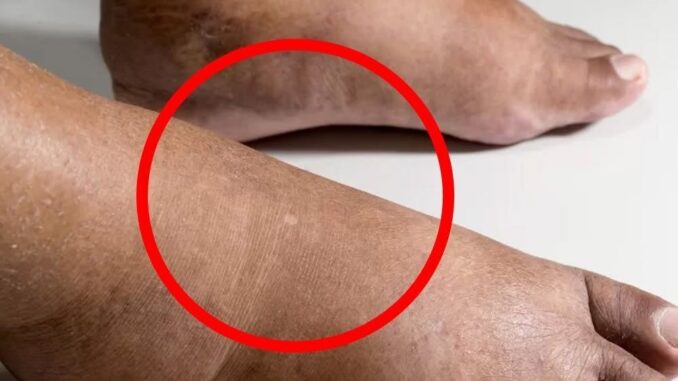
Many people experience swollen feet at some point in their lives. Sometimes it happens after spending hours standing, sitting during a long trip, or simply after a hot day outdoors. In other cases, swelling may appear more frequently and leave people wondering what their body is trying to tell them.
While occasional swelling is often temporary, understanding the possible causes can help you make informed decisions about your health and daily habits.
Let’s take a closer look at why feet swell, when it may be worth paying attention, and some natural wellness practices that many people use to support circulation and overall comfort.
What Causes Swollen Feet?
Swollen feet occur when excess fluid collects in the tissues of the feet or ankles. This can make the area appear puffy, feel tight, or cause shoes to fit more snugly than usual.
Common signs include:
- Puffiness around the feet and ankles
- Skin that appears stretched or shiny
- A feeling of heaviness
- Temporary indentations when pressing on the skin
- Mild discomfort after long periods of inactivity
Swelling can affect one foot or both, depending on the underlying reason.
Everyday Factors That Can Lead to Swelling
In many cases, swollen feet are linked to ordinary lifestyle factors.
Long Periods of Sitting or Standing
Remaining in the same position for extended periods can make it harder for fluids to circulate efficiently through the body. This is why some people notice swelling after long flights, road trips, or work shifts.
Warm Weather
Hot temperatures can cause blood vessels to expand, making fluid retention more noticeable in the lower extremities.
High-Sodium Diets
Foods high in salt may encourage the body to retain extra water, which can contribute to swelling.
Pregnancy
Temporary swelling is common during pregnancy due to hormonal changes and increased pressure on blood vessels.
Physical Activity and Fatigue
Intense exercise or spending long hours on your feet can sometimes cause temporary puffiness as the body responds to increased activity.
When Should Swelling Be Checked?
Although mild swelling is often harmless, persistent or sudden swelling should never be ignored.
It may be wise to seek medical advice if swelling:
- Appears suddenly
- Occurs in only one foot without explanation
- Is accompanied by redness or warmth
- Causes significant discomfort
- Occurs alongside breathing difficulties or chest discomfort
A healthcare professional can help determine the cause and recommend appropriate treatment if necessary.
Natural Wellness Approaches Many People Explore
In addition to healthy lifestyle habits, some people enjoy incorporating traditional herbs into their wellness routines. While herbs are not a replacement for professional medical care, many have been used for generations as part of natural self-care practices.
Ginger
Ginger has long been valued in traditional wellness practices. Often enjoyed as a tea or added to meals, it is popular among people looking to support overall circulation and well-being.
Chamomile
Chamomile is widely known for its calming qualities. Many people enjoy chamomile tea or foot soaks as part of a relaxing evening routine.
Rosemary
Rosemary is a fragrant herb often used in cooking, but it is also popular in massage oils and foot baths designed to promote relaxation.
Dandelion
Dandelion has traditionally been used in herbal practices related to fluid balance and digestion. Many people enjoy it as a tea as part of a balanced lifestyle.
Turmeric
Turmeric contains naturally occurring compounds that have made it a popular ingredient in wellness-focused diets around the world.
Ginkgo Biloba
Ginkgo biloba is one of the most recognized herbs associated with circulation support and is commonly found in dietary supplements.
Simple Habits That May Help Reduce Mild Swelling
Often, the most effective approaches involve small daily habits rather than dramatic changes.
Move Regularly
If your job requires sitting or standing for long periods, try taking short movement breaks throughout the day.
Elevate Your Feet
Resting with your feet elevated above heart level may help encourage fluid movement and reduce temporary puffiness.
Stay Hydrated
Drinking enough water can help support the body’s natural balance and may reduce fluid retention associated with dehydration.
Wear Comfortable Footwear
Supportive shoes can improve comfort and reduce strain on the feet during daily activities.
Reduce Excess Sodium
Choosing fresh foods and limiting highly processed snacks may help reduce water retention.
Maintain Regular Physical Activity
Walking, stretching, and other gentle forms of exercise can help support healthy circulation.
A Popular Herbal Tea for Relaxation
Many people enjoy herbal teas as part of a wellness routine.
One commonly used option is dandelion tea.
Ingredients
- 1 tablespoon dried dandelion root
- 1 cup hot water
- Optional honey or lemon
Directions
- Heat water until hot.
- Add dried dandelion root.
- Cover and steep for 10–15 minutes.
- Strain before drinking.
- Add honey or lemon if desired.
Many people enjoy this tea as part of a balanced lifestyle, particularly when focusing on hydration and relaxation.
The Importance of Listening to Your Body
Swollen feet are often easy to dismiss, especially when they seem minor. However, your body frequently provides subtle signals when something needs attention.
Sometimes those signals simply mean you’ve been sitting too long or need more movement. Other times, they may indicate that it’s worth discussing your symptoms with a healthcare professional.
Paying attention to changes, maintaining healthy habits, and seeking guidance when necessary can help support overall wellness.
Final Thoughts
Swollen feet are a common experience that can result from everyday activities, environmental factors, or underlying health conditions. While temporary swelling is often harmless, persistent symptoms deserve proper attention.
Healthy habits such as staying active, drinking enough water, eating a balanced diet, and maintaining good circulation can all contribute to greater comfort and well-being.
Natural herbs and traditional wellness practices may also be enjoyed as part of a healthy lifestyle, but they should complement—not replace—professional medical advice.
In many cases, small daily choices can make a meaningful difference in how your feet feel and how comfortably you move through your day.
Leave a Reply